


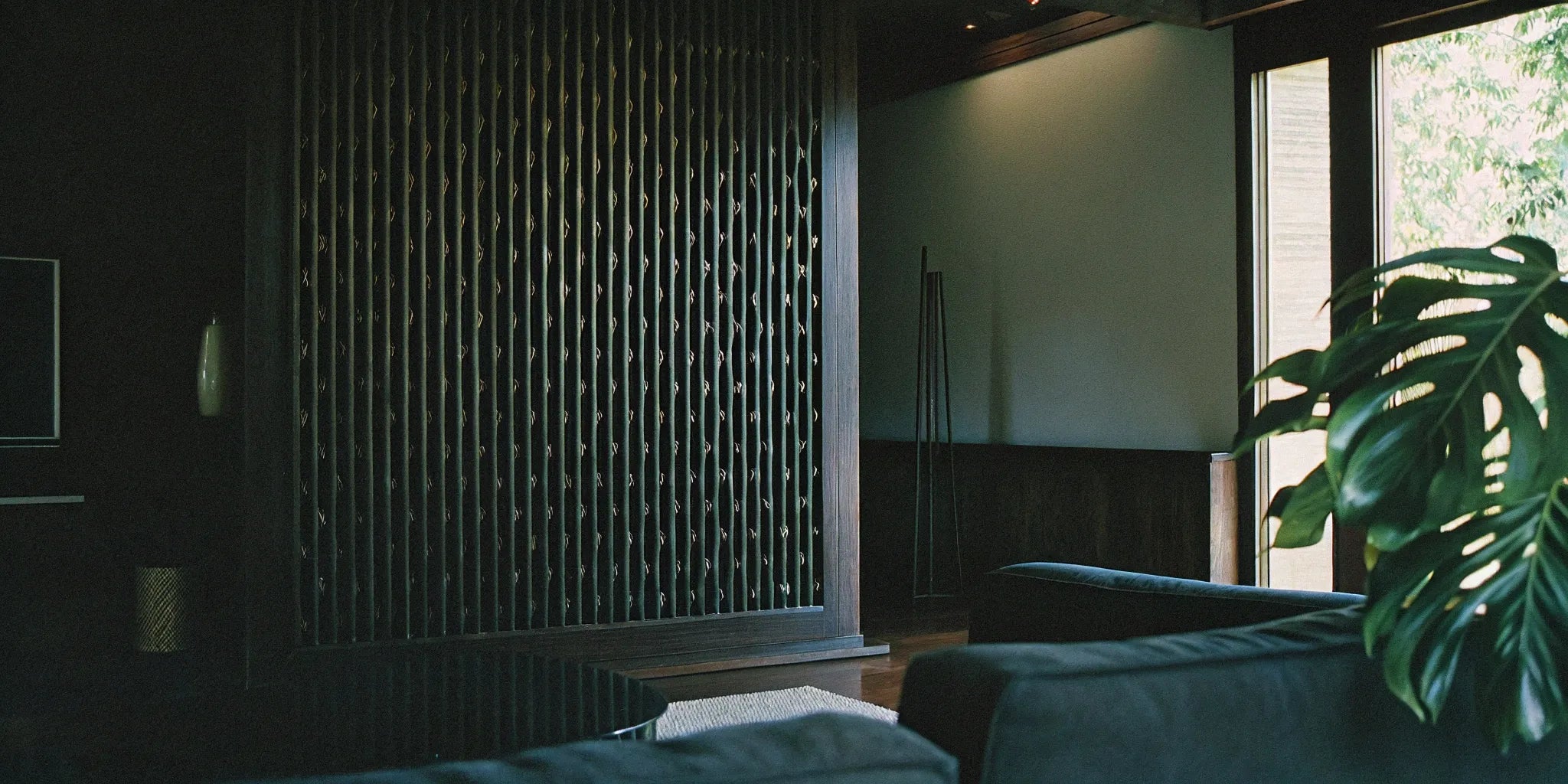
The Slat Wall Panel Guide: Design & Install Tips
Good design isn't just about looks—it's about how a room feels and sounds. If you're dealing with an echoey living room or a home office where sound bounces off the walls, a decorative slat wall panel offers a beautiful solution. The secret is in their construction. Many panels feature a soft, felt backing that absorbs sound waves, reducing reverberation and creating a quieter, more comfortable environment. This makes them a smart choice for media rooms, bedrooms, or any space with hard surfaces. We'll cover how these panels work to improve acoustics and how to choose the right materials.
Key Takeaways
- Combine Style with Sound Control: Slat walls do more than just look good; their design, especially with an acoustic felt backing, naturally absorbs sound to reduce echo and create a quieter, more comfortable environment.
- Choose the Right Material for the Job: Your room's function should guide your material choice. Use authentic wood veneers for cozy living areas, moisture-resistant WPC for bathrooms and kitchens, and paint-grade panels for perfect brand or color matching.
- Use Design Details to Maximize Impact: Simple techniques can elevate your project. Install panels on wooden battens for superior soundproofing, or integrate LED lighting to highlight the wall's texture and create a dramatic focal point.
What Are Decorative Slat Wall Panels?
If you’ve been looking for a way to add texture, warmth, and a touch of modern sophistication to a room, decorative slat wall panels are your answer. Think of them as a contemporary take on traditional wall paneling. They consist of linear strips of material, or "slats," mounted onto a backing. This simple construction creates a striking visual effect, adding depth and architectural interest to any flat surface, from living room accent walls to office ceilings. It’s no wonder they’ve become a favorite for interior designers and homeowners alike.
Beyond their good looks, these wall panels are celebrated for their versatility. The clean, vertical lines can create the illusion of height, making a room with a low ceiling feel more spacious. In a large, open-concept area, they can define a specific zone, like a dining nook or a cozy reading corner, without closing it off. Many are also engineered to improve a room's acoustics, making them a practical choice for spaces where sound control matters. Whether you're a homeowner planning a weekend DIY project or a contractor sourcing materials for a commercial build, slat walls offer a straightforward way to create a high-impact feature.
The Rise of the Slat Wall Trend
Slat walls seem to be everywhere lately, and for good reason. Their popularity comes from a perfect blend of form and function. Aesthetically, they introduce clean lines and rich texture that can make any room feel more intentional and put-together. Whether you’re aiming for a warm, Scandinavian-inspired living room or a sleek, modern office, these panels add architectural depth without overwhelming the space. They have a unique ability to feel both contemporary and timeless, which is why designers and homeowners have embraced them as a go-to feature for creating an immediate visual impact.
But the appeal goes beyond looks. Many slat wall designs are engineered to improve a room’s acoustics. The combination of wood slats and a felt backing helps absorb and dampen sound, reducing echo in spaces with high ceilings or hard flooring. This makes them incredibly practical for media rooms, home offices, and open-concept living areas. Add in the fact that they are surprisingly straightforward to install, and it’s clear why this trend has taken hold. It’s an accessible way to add a high-end, custom feel to a project with tangible benefits.
What Are Their Defining Features?
The beauty of slat wall panels lies in their clean lines and customizable nature. The design is simple: vertical or horizontal slats are attached to a rigid or felt-like backing. The slats themselves come in a wide array of materials and finishes. You can find panels made from solid wood, Natural Veneer Wall Panels that showcase the unique grain of woods like oak and walnut, or durable WPC (Wood-Plastic Composite) options. The finish can range from raw, unfinished wood ready for your custom stain to pre-finished panels in classic black, crisp white, or modern gray. This variety allows you to match the panels perfectly to your existing decor and achieve your desired aesthetic.
How Slat Panels Can Improve Room Acoustics
One of the most functional benefits of slat wall panels is their ability to manage sound. The design isn't just for looks; it's engineered for performance. Sound waves that hit the panel are partially absorbed by the soft, felt backing and trapped between the slats, rather than bouncing back into the room. This process significantly reduces echo and reverberation, leading to a quieter, more comfortable environment. Installing Acoustic Wall Panels is especially effective in spaces with hard surfaces like hardwood floors or large windows. By absorbing excess noise, they make conversations clearer and create a more peaceful atmosphere in home offices, media rooms, and busy commercial spaces.
Understanding Sound Absorption vs. Soundproofing
It's a common mix-up, but "sound absorption" and "soundproofing" tackle two completely different acoustic challenges. Sound absorption is all about improving the sound quality *within* a room. Think of it as taming an echo. Our Acoustic Wall Panels are designed for this exact purpose. The soft felt backing soaks up sound waves, preventing them from bouncing around. This reduces reverberation, makes conversations clearer, and creates a much more pleasant and focused environment, which is ideal for a home office or media room.
Soundproofing, on the other hand, is about blocking sound from getting in or out of a room. Its goal is isolation, not quality. This requires adding mass and density to your walls to create a barrier that sound waves can't easily penetrate. While our panels will make your home theater sound incredible on the inside, they aren't engineered to stop that sound from reaching the next room or to block noise from a busy street. For true soundproofing, you'd need to look into more intensive construction solutions.
Popular Ways to Use Slat Walls in Modern Design
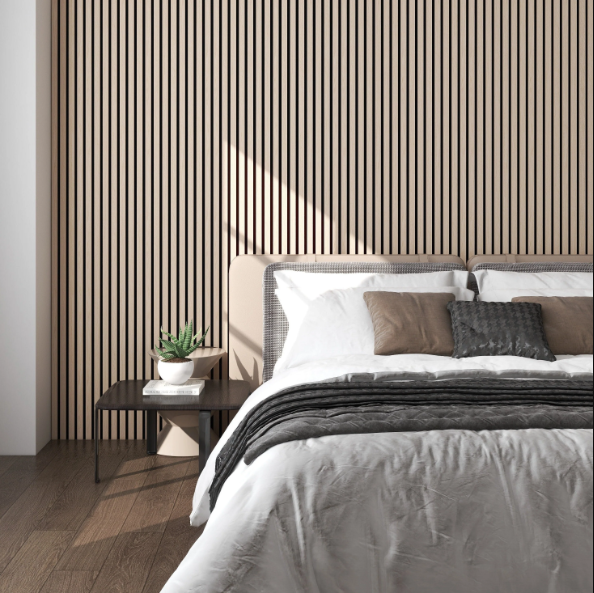
Slat wall panels are incredibly adaptable and have become a staple in modern interior design for both homes and businesses. In residential settings, they are often used to create a stunning feature wall behind a TV, a headboard in a bedroom, or to add character to a home office. They can define a space within an open-concept floor plan or add a touch of warmth to a minimalist entryway. In commercial spaces, designers use them to create an inviting ambiance in lobbies, reduce noise in conference rooms, and add a sophisticated backdrop in restaurants and retail stores. Their linear pattern pairs beautifully with other modern elements like concrete floors and sleek steel doors, making them a versatile tool for any design project.
What Are Slat Wall Panels Made Of?
Choosing the right material for your slat wall panels is the first step in bringing your vision to life. The material you select influences not only the look and feel of your space but also the panel's durability, maintenance needs, and acoustic properties. From the timeless warmth of natural wood to the modern resilience of composite materials, let's walk through the most popular options to find the perfect fit for your project.
The Classic Look: Wood and Natural Veneers
For a look that’s both timeless and authentic, nothing beats the real thing. Wood and natural veneer wall panels bring organic warmth and texture into a room, with unique grain patterns that make every installation one-of-a-kind. Whether your style is contemporary, rustic, or something in between, the classic beauty of materials like oak and walnut feels right at home. They create an inviting atmosphere in living rooms, bedrooms, and home offices. Because it’s a natural material, it adds a layer of sophistication and connects your indoor space with the outdoors, creating a calm and grounded environment you’ll love coming home to.
The Versatile Choice: MDF and Engineered Wood
If you’re looking for a durable and budget-friendly option, MDF (Medium-Density Fiberboard) is an excellent choice. These engineered panels provide a smooth, stable base that’s perfect for painting or applying a high-quality veneer, giving you the flexibility to achieve the exact look you want. Engineered wood offers improved durability and requires less maintenance, making it a practical solution for high-traffic areas or commercial projects. Its stability also means it’s less likely to warp or shift with changes in humidity, ensuring your wall panels look great for years to come.
The Durable Option: WPC (Wood-Plastic Composite)
Wood-Plastic Composite, or WPC, is a modern material that combines the best of both worlds. Made from a mix of wood fibers and recycled plastics, Interior WPC Fluted Slat Wall Panels are incredibly durable, lightweight, and resistant to moisture and humidity. This makes them a fantastic choice for spaces where solid wood might not be suitable, like bathrooms, kitchens, or basements. WPC panels are also great for sound management, as the composite material helps mitigate sound transfer in open layouts. You get the beautiful, textured appearance of wood with the low-maintenance performance of a modern composite.
The Practical Choice for Garages: PVC Panels
Your garage is more than just a place to park your car; it’s often a workshop, storage area, and a high-traffic zone that needs to withstand a lot. That’s where PVC panels come in as a smart, practical solution. Unlike drywall, which can be easily damaged by moisture and impact, PVC is built to last in tough environments. It’s naturally resistant to water, mold, and mildew, so you don’t have to worry about humidity or accidental spills. Plus, these panels are incredibly durable and easy to clean—a simple wipe-down is all it takes to handle dirt, grease, or grime. They even resist pests, giving you one less thing to worry about. For a low-maintenance and long-lasting wall covering, PVC is one of the best materials you can choose for your garage.
Eco-Friendly and Sustainable Options
Making design choices that are good for your home and the planet doesn’t mean you have to compromise on style. Sustainable materials are becoming more accessible and beautiful than ever, and wall panels are no exception. For instance, our Interior WPC Fluted Slat Wall Panels are crafted from a composite of wood fibers and recycled plastics. This innovative blend gives you the rich, textured look of wood while repurposing materials that might otherwise end up in a landfill. Choosing sustainable options not only reduces your environmental footprint but also contributes to a healthier indoor environment. It’s a thoughtful way to create a space that feels good in every sense of the word, blending modern aesthetics with responsible design.
Specialized Panels for Unique Needs
Sometimes, a wall needs to do more than just look good. That’s why specialized panels are designed to solve specific challenges in your home or commercial space. If noise is an issue, Acoustic Wall Panels are engineered with sound-absorbing felt backing to reduce echo and create a quieter, more focused atmosphere. For those who want complete creative control, Paint and Stain Grade Panels offer a blank canvas. These unfinished panels can be customized to match your brand’s colors or your home’s unique palette perfectly. Whether you need to manage sound in a media room, protect walls in a high-traffic hallway, or achieve a very specific look, there’s a panel designed to meet your project’s unique demands.
How to Choose the Right Material for Your Space
So, how do you pick the perfect material for your project? Start by thinking about the room’s function and your personal style. For a cozy bedroom or a sophisticated living area, the authentic grain of natural wood is hard to beat. If you’re designing a bathroom or a busy commercial space, the moisture resistance of WPC is a clear winner. Your choice of color and finish will also greatly affect the room’s ambiance. Finally, consider the sound in your space. If you’re dealing with echoes in an open-concept room, look for acoustic wall panels with felt backing to absorb sound and create a more peaceful environment.
How to Match Slat Walls to Your Design Style
One of the best things about slat wall panels is their incredible versatility. They aren’t a one-trick pony; they can adapt to almost any design style you can dream up. These panels add depth, texture, and a contemporary edge to any interior, whether you're aiming for a cozy, rustic vibe or a sleek, modern look. The key is choosing the right material, finish, and placement to complement your existing decor. Let's walk through how you can integrate wall panels into some of the most popular design styles to create a space that feels cohesive and thoughtfully designed.
For a Contemporary and Modern Look
Slat walls and modern design are a perfect match. The clean, linear pattern of the slats reinforces the emphasis on form and structure that defines contemporary aesthetics. Interior wood slat walls have become a popular trend in modern home design because they offer a stylish and functional way to enhance any space. You can use them to create a stunning accent wall in your living room behind the sofa or entertainment center, or as a sophisticated headboard in the bedroom. For a truly cohesive look, pair natural wood panels with minimalist furniture, metallic accents, and large, clean-lined steel doors and windows.
For an Industrial or Urban Vibe
Industrial design often features raw materials like brick, concrete, and exposed metal, which can sometimes feel a bit cold. This is where wood slat walls come in. They have a remarkable ability to create a warm and inviting ambiance, adding an organic texture that beautifully balances the harder elements of an industrial space. Imagine a feature wall of dark wood slats against an exposed brick wall in a loft apartment or office. The contrast is stunning. To complete the look, pair your slat wall with industrial-style lighting fixtures and simple, functional furniture.
For a Natural, Organic Feel
If your style leans more towards Scandinavian, biophilic, or rustic design, slat walls are a natural fit. They help bring the beauty of the outdoors inside, creating a calm and grounding atmosphere. Whether you prefer a contemporary or classic interior design style, authentic Natural Veneer Wall Panels will complement your home. Use light-colored wood panels, like oak or maple, to achieve that bright and airy Scandi feel. Pair them with plenty of houseplants, natural textiles like linen and wool, and light hardwood flooring to create a serene retreat that feels connected to nature.
For a Clean, Minimalist Design
Minimalism is all about "less is more," but that doesn't mean your space has to be boring. Slat walls are a fantastic tool for adding character to a minimalist room without introducing clutter. These versatile wall panels can be styled in a wide variety of ways, adding depth and warmth to an otherwise simple space. A slat wall can act as a subtle textural backdrop that adds visual interest without overwhelming the senses. Consider using Interior WPC Fluted Slat Wall Panels painted in a neutral, monochromatic color to blend seamlessly with your walls, or let a natural wood finish provide a touch of organic warmth.
How to Choose the Perfect Slat Panel Finish
The finish of your slat wall panels is where the magic really happens. It’s the final touch that defines the mood, interacts with your room’s lighting, and ties your entire design together. Think of it as the difference between a good design and a great one. The right finish can make a small room feel more open, a dark room feel brighter, or a simple space feel luxurious. It’s not just about color; it’s about texture, sheen, and the way the surface plays with light and shadow throughout the day.
Whether you’re aiming for the organic warmth of natural wood or the clean, sharp look of a painted surface, your choice will have a huge impact. We’ll walk through the most popular options to help you find the perfect match for your project. From the timeless appeal of wood grain to the endless possibilities of custom colors, selecting the right finish ensures your new feature wall is everything you envisioned.
Embracing the Beauty of Natural Wood
There’s something undeniably comforting about natural wood. It brings warmth and an organic feel to any room, creating an inviting atmosphere that feels both timeless and modern. Natural Veneer Wall Panels showcase the unique grain and character of different wood species, from the rich tones of walnut to the bright, airy look of white oak. This finish is perfect for creating a cozy living room, a serene bedroom, or a welcoming entryway. The flexibility of wood allows it to complement a wide range of styles, from rustic to contemporary, making it a consistently popular choice for both homes and commercial spaces.
Going Bold with Matte and Painted Finishes
If you want complete control over your color palette, matte and painted finishes are your best friend. A sleek matte finish offers a smooth, non-reflective surface that feels sophisticated and modern, minimizing glare and hiding minor imperfections. For ultimate versatility, Paint and Stain Grade Panels arrive ready for you to apply the exact shade you need. This allows you to perfectly match your wall panels to your existing trim, cabinetry, or brand colors. Whether you opt for a bold, dramatic accent wall or a subtle, neutral tone, a painted finish gives you the freedom to create a truly custom look.
Adding Depth with a Textured Surface
Why settle for flat walls when you can add depth and dimension? Textured surfaces, like those found on Interior WPC Fluted Slat Wall Panels, create a dynamic interplay of light and shadow that paint alone can’t replicate. The grooves and ridges add visual interest and a tactile quality that makes a space feel more engaging and thoughtfully designed. This finish is a fantastic way to add character to minimalist designs or enhance the industrial feel of a room. Textured panels are durable, low-maintenance, and offer a unique solution for creating a high-impact feature wall that stands out.
Creating Your Own Custom Color
For a look that is uniquely yours, custom color solutions offer endless possibilities. When you can specify the exact color, you can ensure your slat wall perfectly complements your furniture, artwork, or overall design scheme. This is especially valuable in commercial spaces where brand consistency is key. Starting with a paint-grade panel allows you to bring any color inspiration to life, from a soft pastel to a vibrant, saturated hue. A custom finish allows for a personalized touch that can tie the entire room together, ensuring your slat wall isn’t just a feature, but a seamless part of your home’s story.
How to Install Slat Wall Panels Yourself
Once you’ve chosen the perfect slat wall panels, it’s time for the most exciting part: installation. Bringing your vision to life can be a straightforward process, whether you’re a seasoned contractor or a weekend DIY warrior. With the right preparation and a clear plan, you can create a stunning feature wall that completely transforms your space. This guide will walk you through everything you need to know, from deciding whether to do it yourself to applying the final finishing touches. Let’s get those panels on the wall.
Should You DIY or Hire a Pro?
One of the best things about modern wall panels is that they are designed to be user-friendly. Many homeowners with basic tool skills can successfully tackle this project themselves, making it a rewarding way to update a room over a weekend. The installation process is generally simple, whether you choose to glue or screw the panels directly to the wall.
However, hiring a professional is always a great option if you’re short on time, working on a large-scale commercial project, or just don’t feel confident in your DIY abilities. A pro can ensure a flawless finish, especially if your walls are uneven or you have complex cuts to make around fixtures. For contractors and designers, our trade program offers benefits that make sourcing and installation even smoother.
What You'll Need: Tools and Materials
Having everything you need on hand before you start will make the installation process much smoother. You don’t want to be running to the hardware store mid-project. Here’s a quick checklist of what you’ll likely need:
- Measuring Tools: Tape measure, pencil, and a spirit level.
- Cutting Tools: A fine-toothed hand saw or a circular saw for clean cuts.
- Installation Hardware: A drill, screws, and construction adhesive. If you’re screwing the panels directly to the wall, plan on using at least nine screws per panel for a secure hold.
- Safety Gear: Gloves and safety glasses.
- Optional: A stud finder to locate wall studs for secure anchoring and wooden batons if you want to maximize the acoustic benefits of your panels.
Important Pre-Installation Checks
Before you pick up a drill, a few quick checks can save you a major headache down the road. Taking a moment to understand what’s going on with your wall is the key to a smooth and safe installation. This isn't the most glamorous part of the project, but it's arguably the most important. Getting this right ensures your beautiful new panels will be secure and that you won’t have any unpleasant surprises, like an unexpected plumbing bill. Think of it as the foundation for a flawless finish.
Check for Hidden Wires and Pipes
This is a big one. Before you start making holes, you absolutely need to check for hidden electrical wires or plumbing pipes. Hitting a live wire is incredibly dangerous, and puncturing a water pipe can lead to extensive and costly damage. You can often use a stud finder that also detects live AC wiring and metal pipes, giving you a clear picture of what’s behind the surface. If you have access to your home’s blueprints, that’s another great resource to consult. Taking a few extra minutes to map out what’s behind your drywall will give you the confidence to install your panels safely.
Assess Your Wall's Suitability
Next, you need to make sure your wall is up to the task. Is it strong enough to support the weight of the panels? Solid walls made of brick or concrete are ideal and provide a very secure base. However, most modern homes have drywall, which is a hollow wall. While you can definitely install panels on drywall, you must anchor them into the wall studs for support. Simply screwing into the drywall itself won't be strong enough to hold the weight over time. Use a stud finder to locate and mark the studs before you begin your installation to ensure a secure and lasting fit.
Your Step-by-Step Installation Guide
Ready to get started? Follow these steps for a professional-looking installation.
- Measure and Prepare: Start by measuring your wall to determine how many panels you’ll need. Clean the wall surface, ensuring it’s free of dust and debris. Use your stud finder to mark the locations of the wall studs.
- Cut Panels to Size: If needed, carefully cut your panels to fit the height of your wall or to accommodate outlets and light switches. Remember the golden rule: measure twice, cut once.
- Choose Your Method: You have two main options for installation. For a simple application, apply construction adhesive to the back of the panel and press it firmly onto the wall. For extra security, drive screws through the felt backing directly into the wall studs.
- For Best Soundproofing: To get the most acoustic benefit, first install 45mm wooden batons horizontally on your wall. Then, screw the slat panels directly into the batons. This creates an air gap that significantly improves sound absorption.
- Apply a Finish: If you’ve chosen Unfinished Wood Wall Panels, now is the time to protect them. Applying an oil, wax, lacquer, or varnish will safeguard the wood and bring out its natural beauty.
How to Avoid Common Installation Mistakes
A little foresight can help you avoid the most common installation hiccups. First, always acclimate natural wood panels by letting them sit in the room for at least 48 hours before installation. This allows the wood to adjust to your home’s temperature and humidity, preventing potential warping later on.
Next, double-check that your walls are flat and level before you begin. Minor imperfections can cause gaps or an uneven finish. Finally, don’t overtighten your screws, as this can damage the felt backing or the panel itself. A snug fit is all you need. Once installed, keep your panels looking great by dusting them regularly with a soft cloth. For any stubborn spots, a damp cloth with a mild detergent will do the trick.
Alternative Mounting Systems and Finishing Touches
While direct installation is straightforward, a few extra steps can take your project to the next level. For superior sound dampening, consider mounting your panels on wooden batons instead of directly to the wall. This creates an air gap that traps sound waves, significantly improving the acoustic performance of the room. Once your panels are up, think about the finishing details that will make the installation look truly custom. Integrating thin LED light strips between the slats is a popular choice for creating dramatic, ambient lighting that highlights the wall's texture. You can also add matching end caps or trim pieces to the edges of your slat wall installation for a clean, polished, and fully integrated appearance.
Keeping Your Slat Walls Looking New
You’ve installed your beautiful new slat walls, and they look fantastic. The good news is they’re designed to be durable and low-maintenance. With just a little bit of care, you can keep them looking as fresh and stylish as the day they were installed. Keeping your panels in top condition is straightforward and doesn’t require any special equipment—just a few simple habits. Whether you have natural wood veneer or a modern WPC finish, these tips will help you protect your investment and ensure your walls remain a stunning feature in your home or office for years to come.
Simple Cleaning and Maintenance Tips
The easiest way to keep your slat walls looking pristine is with regular dusting. Once a week, gently wipe the panels down with a soft, dry microfiber cloth to remove any dust buildup. For the grooves between the slats, a soft-bristled brush or the brush attachment on your vacuum cleaner works perfectly. If you notice any smudges or light stains, you can tackle them with a slightly damp cloth and a mild cleaning solution—a drop of dish soap in a bowl of warm water is all you need. Be sure to wring the cloth out well to avoid soaking the panel, and always dry the area immediately with a clean cloth. Avoid using harsh chemical cleaners, as they can damage the finish of your Acoustic Wall Panels.
How to Prevent Everyday Scratches and Damage
A little prevention goes a long way in keeping your slat walls free from scuffs and scratches. When arranging furniture, try to leave a few inches of space between large pieces and the wall to avoid accidental bumps. This is especially important in high-traffic areas like hallways or living rooms. If you have unfinished wood panels, applying a quality sealant or varnish after installation can provide an extra layer of protection against moisture and wear. It’s also a good idea to manage the humidity levels in the room, as extreme fluctuations can cause natural wood to warp over time. Simple habits like these will help maintain the integrity and beauty of your panels without much effort.
How to Fix Minor Scratches and Dents
Even with the best care, minor accidents can happen. Luckily, small scratches and dents are often easy to fix. For light surface scratches on wood veneer panels, a wood repair marker or a wax filler stick in a matching color can make the imperfection disappear. Simply apply it to the scratch and buff away any excess with a soft cloth. For deeper gouges, you may need a bit of wood filler. Always test any repair product on a hidden spot first to ensure it’s a good match. If you have Paint and Stain Grade Panels, fixing a scratch is as simple as a quick touch-up with the original paint or stain, making the panel look brand new again.
Long-Term Care for Your Slat Wall Panels
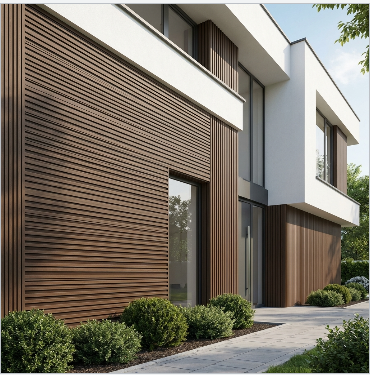
To ensure your slat walls stand the test of time, think about their environment. Prolonged exposure to direct sunlight can cause the color and finish of natural wood panels to fade. If your slat wall is in a particularly sunny spot, consider using sheer curtains or a UV-protective film on your windows to filter the harshest rays. For panels in moisture-prone areas like bathrooms or on the exterior of your home, proper sealing is key. Regularly inspect Exterior Fluted Slat Wall Panels for any signs of wear and clean them seasonally to remove dirt and grime. These simple, long-term strategies will preserve the rich look and feel of your panels for many years.
How to Shop for Slat Wall Panels
Once you have a vision for your space, it’s time to find the perfect panels to bring it to life. Shopping for slat walls is about more than just picking a color; it’s about investing in a feature that will define your room for years to come. To make a choice you’ll love, you need to consider the panel’s construction, overall project cost, where you buy it from, and the support you’ll get after your purchase. Thinking through these key points will help you find high-quality panels that fit your budget and design goals, ensuring your project is a success from start to finish.
Look for Value-Added Services
A great supplier does more than just sell you a product; they provide the support and resources you need to make your project a success. When you're comparing options, look for companies that offer value-added services. This could be detailed installation guides that walk you through the process, or expert advice on which material is best for your specific needs, whether it's for sound control or moisture resistance. A supplier who invests in educating their customers with helpful content on topics like maintenance and long-term care shows they're committed to your project's success long after the sale. These resources can save you time, prevent costly mistakes, and give you the confidence to achieve a professional-looking finish. For example, understanding how to combine style with sound control can make a huge difference in your final result.
What to Look for in a Quality Panel
A quality slat wall panel is a blend of beautiful aesthetics and solid construction. Start by looking at the materials. Are the slats made from solid wood, a natural wood veneer, or a durable composite? High-quality veneers applied to a stable core like MDF or WPC offer a premium look without the risk of warping. Pay close attention to the backing material. Many top-tier wall panels use a thick, recycled acoustic felt, which is essential for achieving that sound-dampening effect. Finally, inspect the finish. It should be consistent, smooth, and durable enough to handle everyday life. A well-crafted panel looks and feels substantial, promising both style and longevity.
Construction Method: Adhesives vs. Staples
When you're examining a slat panel, take a moment to look at how the slats are attached to the backing. This small detail says a lot about the panel's quality and durability. Some panels are constructed using staples, which can be a weak point over time. Staples can loosen or even rust, causing the slats to become unstable or misaligned. A far superior method is bonding the slats with a strong, high-grade adhesive. This creates a seamless and incredibly stable bond that ensures the slats stay perfectly in place for the life of the panel. It’s a sign of quality craftsmanship that results in a cleaner look and a more long-lasting installation, giving you peace of mind that your feature wall will continue to look flawless.
Expert Advice: Why Veneer Beats Laminate
It’s easy to get confused between veneer and laminate, but the difference is night and day. Laminate is essentially a photograph of wood grain printed onto a plastic or paper layer and glued to a core. A natural wood veneer, on the other hand, is a thin slice of real, authentic wood. For a look that’s truly timeless, nothing beats the real thing. Veneer brings an organic warmth and texture into a room that laminate simply can’t replicate, with unique grain patterns that make every installation one-of-a-kind. While laminate can look repetitive and artificial up close, the subtle variations in a wood veneer give it depth and character, creating a much more sophisticated and high-end finish for your project.
How Much Do Slat Wall Panels Cost?
Slat wall panel pricing can vary quite a bit, depending on the materials, finish, and brand. It’s helpful to think about the total project cost, not just the price per panel. Factor in shipping, installation supplies like adhesive or screws, and potential labor if you’re hiring a professional. While it can be tempting to go for the cheapest option, remember that a higher price often reflects better materials, superior sound absorption, and a more durable finish. Investing in a quality product upfront can save you from the hassle and expense of replacements down the road. For contractors and designers, it’s always a good idea to see if you qualify for a trade program to access bulk pricing.
Cost of Panels per Square Foot
When you start budgeting, looking at the cost per square foot is a great way to compare your options. Generally, you can expect basic panels to start around $6 per square foot, while higher-quality options with premium veneers or superior acoustic properties can go up to $20 per square foot. This range reflects differences in materials, from durable WPC to authentic Natural Veneer Wall Panels. To put that in perspective, a standard 4-foot by 8-foot panel will typically cost between $50 and $100. Thinking in these terms helps you accurately estimate the material costs for your feature wall or entire room, ensuring you find a solution that fits both your design vision and your budget.
Cost of Accessories
While decorative slat walls for living rooms or bedrooms don't typically require accessories, it's a cost to consider if you're planning a functional system for a garage or retail space. For these applications, the hardware adds up. Basic hooks can cost less than a dollar each, while specialty hooks, shelf brackets, and hangrails can be more expensive. For a standard retail wall, you might spend anywhere from $200 to over $1,000 on accessories alone, depending on how you plan to use the space. For a purely aesthetic installation, however, you can skip this part of the budget and focus solely on the panels and installation supplies.
Professional Installation Costs
If you decide to hire a professional to ensure a perfect finish, you’ll need to factor in labor costs. Installers typically charge between $75 and $125 per hour. For a standard accent wall, the total labor cost might land somewhere between $500 and $1,000. If you’re planning a more extensive project, like outfitting an entire 12-foot by 12-foot room, the total cost for both materials and professional installation could range from $3,000 to $4,500. For contractors managing multiple projects, partnering with a reliable supplier can help streamline timelines and budgets, which is why many professionals join our trade program for exclusive pricing and support.
Where Should You Buy Your Panels?
You have a few options when it comes to purchasing slat walls, but where you buy from matters. While big-box stores offer convenience, a specialized supplier provides expertise and a more curated selection. At a dedicated building materials depot, you’ll find experts who can guide you to the right product for your specific needs, whether it’s for a residential feature wall or a large-scale commercial project. We offer a focused collection of high-quality options, including durable Interior WPC Fluted Slat Wall Panels and elegant natural veneers, all available with fast nationwide shipping. This ensures you get a premium product delivered right to your door.
Why the Product Warranty Matters
A good warranty is a sign that a company believes in its product. Before you buy, always check the warranty details. What does it cover, and for how long? A solid warranty will typically protect against manufacturing defects, giving you peace of mind that your investment is protected. Beyond the official policy, look into the company’s reputation for customer service. Reading customer reviews can give you a real-world look at how the company handles issues and supports its customers. A supplier that is responsive, helpful, and stands behind its products is one you can trust for your project.
Creative Ways to Style Your Slat Walls
Slat walls are more than just a beautiful backdrop; they’re a dynamic design tool that can completely transform a room’s look and feel. Once you’ve chosen your material and finish, the next step is to think about how to use your panels to their full potential. With a bit of planning, you can use your new wall panels to define a space, create a specific mood, and even solve common household issues like noise. Let’s walk through a few key strategies for making your slat wall installation a standout feature in your home or commercial project. From mapping out the perfect placement to integrating lighting, these tips will help you think like a designer and achieve a truly professional result.
How to Plan the Perfect Layout
Before you even think about installation, grab a pencil and paper and sketch out your vision. The great thing about slat panels is their flexibility—you can tailor them to fit the unique needs of your space. Do you want to create a full floor-to-ceiling accent wall behind your media console? Or would a partial installation behind a headboard create a more focused, cozy feel? Consider installing them horizontally to make a room feel wider or vertically to emphasize ceiling height. Think about how the lines of the slats will interact with furniture, doorways, and windows to guide the eye through the room.
Using Panels to Improve Your Room's Acoustics
If you’re dealing with an echoey room or just want to create a quieter, more peaceful environment, slat walls are a fantastic solution. Many panels, especially Acoustic Wall Panels, are designed with a felt backing that absorbs sound waves, reducing reverberation and making conversations clearer. This makes them ideal for home offices, living rooms, or bedrooms. For even greater sound control, you can install the panels over wooden strips, or battens. This creates an air gap that traps more sound, significantly improving the room’s acoustics and bringing you closer to a Class A sound absorption level.
How to Add Lighting for a Dramatic Effect
Lighting is one of the best ways to highlight the texture and rhythm of a slat wall. The clean, uniform lines of the slats create a beautiful interplay of light and shadow that adds depth and movement to your walls. You can create a dramatic effect by installing LED strips behind the panels for a soft, ambient glow. Alternatively, use track lighting or spotlights to graze the surface from above, which will emphasize the vertical lines and rich texture of the wood. Pairing your panels with the right lighting fixtures can turn a simple wall into a stunning work of art.
Does Your Room's Climate Affect Your Panels?
Different materials react differently to their environment, so it’s important to match your panel to the room’s climate. If you’re installing natural wood or veneer panels, let them acclimate to the room’s temperature and humidity for at least 48 hours before installation to prevent warping. For spaces with high moisture, like bathrooms or kitchens, consider applying a water-resistant finish to protect the wood. An even better option for these areas is to use Interior WPC Fluted Slat Wall Panels. Wood-plastic composite is highly resistant to moisture and humidity, giving you the beautiful look of wood without the worry.
Using Slat Wall Panels in Commercial Spaces
Slat wall panels are a fantastic tool for transforming commercial environments. They go beyond simple decoration, offering a way to define spaces, manage acoustics, and reinforce a brand's identity without a major overhaul. Whether you're designing a sleek corporate lobby, a cozy restaurant, or a modern retail store, these panels add texture, warmth, and a sophisticated finish. They are incredibly versatile, allowing you to create everything from a dramatic feature wall to a subtle architectural detail. Plus, they are a practical choice, known for their durability and low maintenance, which is always a win in high-traffic commercial settings.
Design Ideas for Lobbies, Offices, and Retail
In a commercial space, the first impression is everything. Acoustic wall panels in a lobby or reception area can create a warm and inviting atmosphere while absorbing sound, making the space feel calm and professional. In open-plan offices, you can use slat walls as dividers to create distinct zones without closing off the room entirely. They are also perfect for conference rooms, where they can improve sound quality for meetings and add a polished backdrop for video calls. The natural texture of wood slats brings a touch of nature indoors, which can help make a sterile office environment feel more comfortable and creative for your team.
How to Choose the Right Slat Pattern
The pattern you choose for your slat wall panels can dramatically influence the feel of a room. Vertical slats are a popular choice because they draw the eye upward, creating an illusion of height that makes ceilings feel taller. This is a great trick for smaller offices or entryways. Horizontal slats, on the other hand, can make a narrow room feel wider and more expansive. Don’t be afraid to think beyond simple lines—herringbone or geometric patterns can serve as a stunning art piece, adding dynamic visual interest that supports your client's brand. The right wall panels offer both visual impact and impressive durability.
Matching Panels with Your Brand's Colors
Your walls are a major part of your brand's physical presence, so it’s important that they reflect its identity. The color and finish of your slat panels should align with your company’s branding. For a sophisticated, modern look, you might opt for a dark stain or a sleek black finish. If your brand is more natural and organic, leaving the wood in its natural state is a beautiful choice. For companies with very specific brand colors, paint and stain grade panels are the perfect solution. They arrive ready for you to customize with the exact shade you need, ensuring a cohesive and professional look throughout the space.
How to Blend Panels with Existing Architecture
One of the best things about slat panels is their ability to work with a building's existing features. You can use them to frame architectural elements like large steel windows or doorways, turning them into intentional focal points. Slat panels are also excellent for concealing imperfections on a wall, like uneven plaster or old wiring conduits, giving you a clean, smooth surface without needing major repairs. This makes them a practical and stylish choice for renovations. By thoughtfully integrating panels, you can create a seamless design that feels both intentional and fully integrated with the space’s original character.
Related Articles
- Decorative Acoustic Wall Panels: A Buyer's Guide
- Acoustic Slat Wall Panels: A Complete Guide
- Luxury Acoustic Wall Panel, White Oak & Grey Felt
Frequently Asked Questions
Can I install slat wall panels in a bathroom or kitchen? Absolutely, but you’ll want to choose your material wisely. For rooms with high humidity and potential moisture, I always recommend using Wood-Plastic Composite (WPC) panels. They are specifically designed to resist moisture and won't warp or get damaged like natural wood might. If your heart is set on real wood, make sure it's properly sealed with a high-quality, water-resistant finish to protect it.
How much of a difference do acoustic panels actually make for sound? They make a noticeable difference, especially in rooms with a lot of hard surfaces that cause echo. The felt backing on acoustic panels is designed to absorb sound waves instead of letting them bounce around the room. This helps to soften the overall sound, reduce reverberation, and make conversations feel clearer and less muddled. For the best possible sound absorption, installing the panels on wooden battens creates an air gap that traps even more sound.
Can I install these panels on a ceiling? Yes, and it looks incredible! Installing slat panels on a ceiling can add amazing architectural depth and warmth to a room, making it feel cozier and more thoughtfully designed. The installation process is similar to a wall application, but you must ensure you are screwing the panels securely into the ceiling joists for safety. Using both construction adhesive and screws is the best approach for a ceiling installation.
Is it better to glue or screw the panels to the wall? Both methods work well, and the best choice really depends on your wall and your comfort level. Using a strong construction adhesive is often enough for a secure hold on a smooth, flat wall and gives you a very clean finish with no visible hardware. However, using screws provides extra peace of mind and is the recommended method for uneven walls or ceiling installations. For the most secure fit, many people choose to use both.
Can I paint or stain the panels later if I want to change my room's color scheme? This depends on the type of panel you start with. If you want maximum flexibility for the future, choosing an Unfinished or Paint and Stain Grade panel is your best bet. These are designed to be customized, so you can easily paint or stain them whenever you're ready for a change. While you can technically paint over a pre-finished panel, it requires more prep work like sanding and priming to get the new color to adhere properly.