



The Ultimate Guide to Slat Wood Panel Walls
Ever notice how a room's sound can completely change its feel? An echoey living room or a noisy home office can be seriously distracting. The fix isn't always new furniture—it might be your walls. A slat wood panel is the perfect two-for-one solution. Forget boring foam squares. These decorative panels look incredible while their felt backing absorbs sound, creating a calmer, quieter space. It’s a smart, functional upgrade that improves how your room looks, feels, and sounds all at once, blending style with real acoustic improvement.
Key Takeaways
- Opt for 4x8 Panels to Save Time and Achieve a Cleaner Look: Using larger panels means fewer seams and faster installation. This not only reduces labor costs but also creates a more sophisticated, uninterrupted finish for your feature wall.
- Match the Panel Material to Your Room's Needs: Don't just choose based on looks. Consider function—use moisture-resistant WPC for bathrooms, select acoustic panels to absorb sound in media rooms, and pick natural wood veneers for a warm, classic aesthetic.
- Plan Your Installation Before You Start: Avoid common mistakes by preparing your wall surface properly—it must be clean, dry, and flat. Measure your space carefully and decide on your installation method (glue, screws, or battens) ahead of time for a professional result.
What Exactly Are Slat Wood Panels?
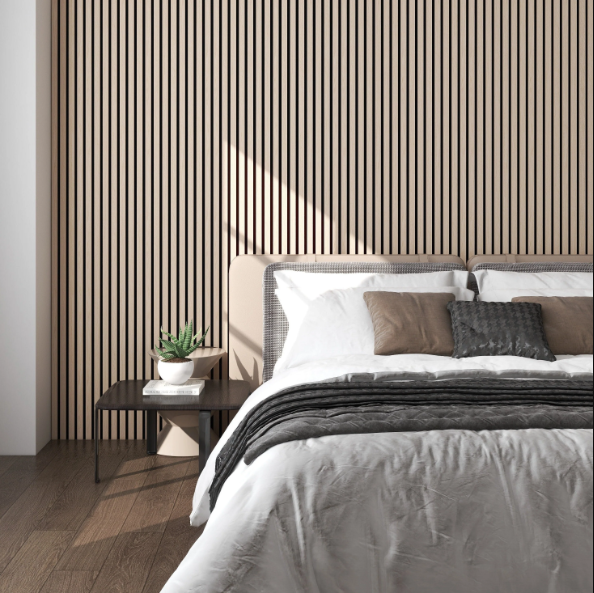
Slat wood panels are a type of wall covering made from narrow strips of wood or wood composite mounted onto a backing material, which is often a sound-absorbing felt. These panels are popular because they add instant texture, warmth, and a sophisticated architectural element to any room. More than just a pretty face, they are also designed to improve a room's acoustics by reducing echo and making conversations clearer. This dual benefit makes them a fantastic choice for creating a modern, comfortable atmosphere in living rooms, bedrooms, and home offices. At USA Builders Depot, we offer a wide variety of wall panels to suit any design style, from natural wood veneers to durable WPC options.
Decorative vs. Functional Slatwall
While slat walls are undeniably stylish, their design is intentionally functional. The combination of the hard slats and soft felt backing creates an effective sound trap. As sound waves hit the panel, they are broken up by the wood and absorbed by the felt, which stops them from bouncing around the room. This is why they are often called "acoustic panels." They are designed to be both beautiful and functional, improving the look and sound of a space. This makes them perfect for media rooms where you want crisp audio, home offices where you need to focus, or any open-plan area that feels a bit too loud and cavernous.
Common Names: Accent Wall, Feature Wall, and Slatwall
If you're researching this trend, you might come across a few different terms. A slat wall is a wall panel system with horizontal or vertical grooves, but it's also commonly called an accent wall or a feature wall. These terms are often used interchangeably because the goal is the same: to create a single wall that serves as a focal point and draws the eye. Whether you call it a slatwall or a feature wall, you're talking about using a unique material or design to make one wall stand out from the rest. Using unfinished wood panels, for example, allows you to create a custom-stained feature wall that perfectly matches your decor.
Why Everyone's Talking About 4x8 Slat Wood Panels
Think of decorative slat wood panels as a modern, sophisticated upgrade to traditional wall coverings. They are large panels, typically 4x8 feet, featuring vertical strips of wood—or slats—mounted on a backing material. This generous size is a game-changer for projects because it allows you to cover a significant amount of wall space quickly and with fewer seams. The result is a clean, high-end finish that can transform an entire room. More than just a pretty face, these panels are designed to do two things exceptionally well: make your space look incredible and improve how it sounds.
What Can Slat Panels Do for Your Space?
At their core, these panels combine style with smart design. Most are constructed with thin strips of real wood veneer attached to a dense, soft felt backing. This combination is what gives them their signature look and acoustic properties. You can find a huge variety of styles to match any aesthetic, from rustic and warm to sleek and contemporary. Many high-quality wall panels are also made with sustainability in mind, using wood from certified forests and a felt backing crafted from recycled materials. This means you can create a stunning feature wall that’s also an eco-conscious choice for your home or commercial project.
Quieter Rooms: How Slat Panels Absorb Sound
The "acoustic" in acoustic slat panels isn't just a marketing buzzword—it's a key function. The soft, porous felt backing is specifically engineered to trap and absorb sound waves, which helps reduce echo and reverb in a room. This can make a noticeable difference in how a space feels, creating a calmer, quieter environment. Some Acoustic Wall Panels can even achieve a Class-A sound absorption rating, the highest standard available. This makes them perfect for home theaters, busy living rooms, or home offices where clear audio on calls is essential. By installing them, you’re not just decorating; you’re improving the room’s function.
Get Inspired: Creative Ways to Use Slat Panels
One of the best things about slat wood panels is their versatility. Whether your style is minimalist, modern, or bohemian, there’s a panel to match. You can choose from classic wood types like Oak and Walnut or opt for painted finishes in shades of gray, black, or white. These panels are fantastic for creating an accent wall in a living room or bedroom, but their use doesn't stop there. They work beautifully in home studios, offices, and commercial spaces like restaurants and lobbies. You can even use durable options like Interior WPC Fluted Slat Wall Panels in kitchens or bathrooms, as long as they aren’t in direct contact with water.
Go Horizontal for a Wider Look
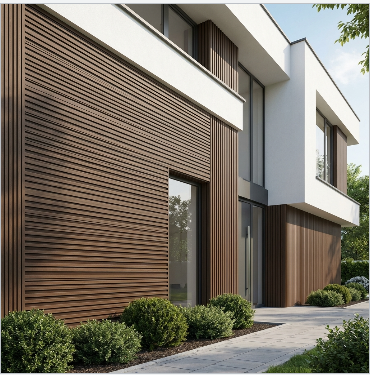
While vertical slats are the go-to for adding height, don't overlook the power of a horizontal installation. Turning the panels on their side is a fantastic design trick to make a room feel wider and more spacious. The long, continuous lines draw the eye across the wall, creating a sense of expansiveness that works wonders in narrow hallways or behind a wide sofa. Best of all, you don't sacrifice function for this unique style. The acoustic properties of our Acoustic Wall Panels work just as effectively when installed horizontally, as the engineered felt backing still traps and absorbs sound waves to reduce echo. This orientation offers a fresh, modern take on the classic slat wall, giving you the same great sound-dampening benefits with a completely different aesthetic.
The Big Advantages of Using 4x8 Slat Panels
When you're planning a feature wall, you'll find slat panels in various sizes. But the 4x8 dimension is a popular choice for a reason. It hits the sweet spot between efficiency, cost, and aesthetics, making it a smart option for both DIY homeowners and professional builders. Let's look at why this larger format might be the perfect fit for your next project.
Cover More Space, Faster
The most straightforward benefit of a 4x8 panel is its size. Each panel covers a generous 32 square feet, which means you can transform a large wall with fewer individual pieces. This significantly speeds up the installation process. Instead of meticulously placing dozens of smaller slats, you're handling larger, more manageable sections. For contractors, this means finishing jobs faster, and for DIYers, it means enjoying your new space sooner. The 4x8 size is a standard in the building industry, making it a familiar and flexible format for creating stunning wall panel designs without the extra hassle.
Save Time and Money with Larger Panels
Faster installation directly translates to savings. If you're hiring a professional, reduced labor time means a lower final bill. Even for a DIY project, your time is valuable. Because 4x8 panels are often lightweight and can be installed with adhesive, you might even be able to tackle the project yourself and skip hiring a contractor. Fewer panels also mean fewer materials needed for seams and finishing. For trade professionals, buying in a standard, larger size often provides access to better pricing and bulk discounts, making it a cost-effective solution for large-scale commercial or residential projects.
Get That Seamless, Professional Finish
From a design perspective, the 4x8 format is a clear winner for creating a clean, continuous look. With fewer joints breaking up the visual flow, your wall appears more seamless and sophisticated. This is especially important in modern and minimalist designs where uninterrupted lines are key to the aesthetic. The larger panels help create a cohesive, high-end finish that makes a room feel more spacious and professionally designed. Whether you choose a natural wood look or a sleek, modern finish, WPC fluted slat panels in a 4x8 size deliver that polished, architectural quality.
Hide Wall Imperfections with Ease
Let’s be honest—walls get beat up. Whether it’s from moving furniture, playful kids, or just everyday life, scuffs, dents, and small imperfections are inevitable. Instead of dealing with the hassle of spackling, sanding, and repainting, you can use slat wood panels as a stylish cover-up. They are an excellent way to hide minor problems on your walls, like scuffs or old nail holes, without needing a full redecoration. This approach not only saves you time and effort but also adds a beautiful, textured design element to your room. It’s a practical and elegant solution that solves a common problem while completely transforming your space.
Create a Calming Vibe with Natural Textures
Bringing natural elements indoors is a proven way to make a space feel more peaceful, and slat panels excel at this. The combination of real wood veneer and a soft felt backing adds warmth and texture that flat, painted walls simply can't match. The soft, porous felt backing is specifically engineered to trap and absorb sound waves, which helps reduce echo and reverb in a room. This makes a noticeable difference in how a space feels, creating a calmer, quieter environment. By installing Acoustic Wall Panels, you’re not just making a style statement; you’re actively designing a more serene and comfortable atmosphere for your home or office.
Where to Find the Best 4x8 Slat Panels
Once you’ve decided that 4x8 slat panels are right for your project, the next step is finding a reliable supplier. The right partner won’t just sell you a product; they’ll offer quality materials, a great selection, and the support you need to get the job done. Different suppliers specialize in different materials and styles, from durable composites to authentic wood veneers. To help you narrow down your search, I’ve rounded up a few of the best places to find high-quality decorative slat panels for your next renovation.
USA Builders Depot: Interior WPC Fluted Slat Wall Panels
If you’re looking for a solution that combines modern style with serious durability, USA Builders Depot is an excellent choice. Their collection of Interior WPC Fluted Slat Wall Panels is made from a wood-plastic composite, which makes them resistant to moisture and wear—perfect for high-traffic areas, bathrooms, or commercial spaces. These panels offer the warm, textured look of wood without the maintenance. As a nationwide supplier, they make it easy to get materials delivered directly to your job site. They also offer discounts for trade professionals, making them a go-to for contractors and designers.
Ekena Millwork: Adjustable Slat Panels
Ekena Millwork is known for its wide range of architectural details, and their slat wall panels are no exception. They offer adjustable panels that provide flexibility for custom installations, allowing you to create unique patterns and designs. Their products are often available through major retailers, making them accessible for both DIY homeowners and professional builders. The standard 4x8 size simplifies planning and installation, helping you achieve a polished, high-end look without the complexity of piecing together smaller sections. Their focus on millwork means you can often find matching trim and molding to complete your project.
Woody Walls: Premium Wood Panels
For those who love the authentic look and feel of real wood, Woody Walls is a fantastic resource. They specialize in premium decorative wood panels, offering everything from sleek, modern slats to rustic barnwood planks. Their products are designed to add genuine character and warmth to any room. Because they focus on natural materials, you’ll find a diverse range of wood species, finishes, and textures. This is a great option if you’re creating a statement wall where the natural grain of the wood is the main attraction. Their acoustic panel options also blend sound-dampening features with beautiful design.
The Wood Veneer Hub: Acoustic Options
If sound control is a priority, The Wood Veneer Hub should be at the top of your list. They offer a beautiful collection of slatted wood panels specifically engineered for acoustic performance. These panels feature wood veneer slats mounted on a sound-absorbing felt backing, which helps reduce echo and ambient noise. This makes them an ideal choice for home theaters, offices, bedrooms, or any space where you want to create a quieter, more serene environment. You don’t have to sacrifice style for function—their panels come in a variety of stunning wood finishes to match any decor.
How Much Do 4x8 Slat Panels Cost?
The price of 4x8 decorative slat wood panels can vary quite a bit, so it’s smart to have a budget in mind before you start shopping. You can find basic options starting around $65 per panel, while high-end acoustic panels with premium wood veneers can easily cost over $200 each. The final price tag depends on a few key factors: the core material, the finish (like a natural wood veneer or a durable laminate), and whether the panel has special features like acoustic felt backing.
Think of it like buying any other building material—you’re paying for quality, durability, and design. A panel made from solid wood or a high-grade composite will naturally cost more than a standard MDF option. It’s also important to factor in shipping costs, especially for large, heavy items like 4x8 panels. Some suppliers offer free or flat-rate shipping, while others calculate it based on weight and distance. By understanding what drives the cost, you can find the perfect panels that fit both your design vision and your budget. Don't let the range intimidate you; it just means there's an option for nearly every project scope. The key is to identify your must-haves versus your nice-to-haves before you fall in love with a specific look.
Breaking Down the Cost by Material
The material is the single biggest factor influencing the cost of a slat panel. Many panels use a core of Medium Density Fiberboard (MDF) because it’s stable and strong, but the real price difference comes from the finish. A panel with a genuine oak or walnut veneer will be more expensive than one with a laminate or painted finish. Another popular option is Interior WPC Fluted Slat Wall Panels, which blend wood fibers and plastic for excellent durability and moisture resistance, making them great for a variety of indoor spaces. Eco-friendly materials and those with added acoustic properties also tend to sit at a higher price point, but they deliver extra performance in return.
How to Get Pro Discounts on Slat Panels
If you’re covering a large wall or outfitting an entire commercial space, don’t just add individual panels to your cart. Most suppliers offer significant discounts for bulk orders, sometimes saving you 10–15% or more. This is where planning ahead really pays off. For contractors, designers, and other trade professionals, it’s always worth checking if a company has a trade program. These programs often provide exclusive pricing, dedicated support, and other perks. For example, you can complete a trade application to access professional pricing on materials for all your projects, helping you stay on budget and deliver more value to your clients.
Finding the Best Slat Panel for Your Budget
Getting the best value doesn’t always mean finding the lowest price. It’s about finding a high-quality product that will last, from a supplier you can trust. Look for companies that are transparent about their materials and offer a wide selection, so you can compare different styles and price points in one place. A supplier with a comprehensive collection of wall panels can be a one-stop shop, saving you time and potential shipping costs. Also, read customer reviews and check for clear photos and detailed product descriptions. A reliable supplier makes it easy to feel confident in your purchase before you buy.
How to Pick the Right Material and Style
Once you’ve decided to use slat panels, the fun part begins: choosing the perfect ones for your space. The right material and style can completely transform a room, but the options can feel a bit overwhelming. Think about what you need from your panels. Are you looking for a specific aesthetic, sound-dampening qualities, or durability for a high-traffic area? Answering these questions will help you narrow down the choices and find a panel that not only looks great but also performs exactly how you need it to. Let’s walk through the key factors to consider.
Natural Wood vs. WPC vs. Veneer: What's the Difference?
The material you choose sets the tone for your entire project. Natural wood panels offer a timeless, authentic beauty with unique grain patterns that can’t be replicated. They bring warmth and a high-end feel to any room. For a more durable and moisture-resistant option, Interior WPC Fluted Slat Wall Panels are an excellent choice. Wood Plastic Composite (WPC) stands up to wear and tear, making it ideal for busy households or commercial spaces. If you love the look of real wood but are working with a tighter budget, veneer panels are a fantastic solution. They feature a thin layer of real wood over a stable core, giving you that genuine wood look in a wide range of finishes.
Choosing the Best Wood for Your Project
The type of wood you choose for your slat panels is about more than just color—it’s about the entire mood of the room. Each wood species has its own unique grain, texture, and personality, which can either complement your existing decor or become the standout feature. When you’re browsing Natural Veneer Wall Panels, think about the overall style you’re aiming for. Are you creating a warm, traditional space or a sleek, modern retreat? Also, consider the room's function. A high-traffic hallway will need a more durable wood than a quiet bedroom. Let's look at some of the most popular wood choices to help you find the perfect match for your project.
Oak: Strong and Classic
Oak is a true classic for a reason. It’s known for its strength and prominent, beautiful grain that adds a sense of timeless elegance to any space. Because it’s so durable, oak is an excellent choice for busy areas like living rooms, entryways, or commercial lobbies where walls might see more wear and tear. It also takes stain wonderfully, allowing you to customize the finish from a light, natural look to a deep, rich tone. Whether your home is traditional or modern, an oak slat wall provides a sophisticated and reliable backdrop that you’ll love for years. It’s a versatile and hardworking option that never goes out of style.
Walnut: Rich and Modern
If you're aiming for a look that feels luxurious and contemporary, walnut is the answer. It features a rich, dark color and a fine, straight grain that instantly adds a touch of drama and sophistication. Walnut is a favorite among designers for creating sleek, modern aesthetics, and it pairs beautifully with minimalist decor and metallic accents. Like oak, it’s a very strong and durable hardwood, so it’s perfectly suited for high-traffic areas. A walnut acoustic panel wall in a home theater or office not only looks incredible but also enhances the room's sound quality, making it a perfect blend of form and function.
Pine: A Budget-Friendly Choice
Pine is a fantastic option when you want the warmth of real wood without a hefty price tag. It’s widely available and has a light, rustic charm with distinctive knots that can add a lot of character to a room. However, it’s important to know that pine is a softwood, which means it’s more prone to dents and scratches than hardwoods like oak or walnut. Because of this, it’s best suited for lower-traffic areas where it’s less likely to get bumped, such as a bedroom accent wall or even a ceiling installation. With a bit of care, a pine slat wall can be a beautiful and cost-effective design choice.
Cedar: The Go-To for Damp Areas
Cedar is a standout choice, especially for rooms with a bit of moisture. It’s naturally resistant to moisture, decay, and pests, thanks to the natural oils in the wood. This makes it an excellent material for spaces like bathrooms, basements, or laundry rooms where other woods might warp or degrade over time. Beyond its durability, cedar is known for its warm, reddish-brown tones and its distinct, pleasant aroma. While it’s great for damp environments, for areas with direct water exposure, you might consider an even more robust material like Exterior Shiplap Cladding or WPC panels for maximum protection.
Acoustic vs. Standard Panels: Which Do You Need?
Next, consider the sound in your room. Do you need to manage echoes or reduce noise? If so, Acoustic Wall Panels are the way to go. These panels are specifically designed with a sound-absorbing felt backing that makes a noticeable difference in home offices, media rooms, bedrooms, or any open-concept space where sound tends to bounce around. On the other hand, if your primary goal is visual impact and acoustics aren't a concern, standard decorative panels will work perfectly. They provide the same stunning texture and style without the added sound-dampening functionality, making them a great choice for purely aesthetic applications.
How to Match Slat Panels to Your Home's Style
To create a cohesive look, your slat panels should complement your home’s existing style. Think about the overall design theme you’re aiming for. For a modern or minimalist interior, panels with clean lines in light oak, crisp white, or dramatic black create a sleek backdrop. If your style is more rustic or traditional, the rich texture of Natural Veneer Wall Panels in a warm walnut or unfinished wood can add organic character. The finish is just as important as the color—a smooth, painted finish feels contemporary, while a natural, textured finish feels more grounded and classic.
Can You Use Slat Wood Panels Outside?
Finally, think about where your panels will be installed. The vast majority of decorative slat panels are designed for indoor use only, where they are protected from the elements. They are perfect for creating feature walls in living rooms, bedrooms, and home offices. If you’re considering installing them in a bathroom or kitchen, be sure to choose a moisture-resistant material like WPC. For outdoor applications, you’ll need a product specifically engineered to withstand sun, rain, and temperature changes. Using an interior-grade panel outside will lead to warping and damage. Instead, look for options like Exterior Shiplap Cladding Wall Panels that are built for durability and weather resistance.
Specialty Panels for Unique Needs
While a standard 4x8 panel is perfect for most feature walls, some projects have requirements that go beyond the basics. You might be working on a commercial space with strict safety codes, designing a room with curved walls, or looking to create a completely custom pattern. The good news is that the world of slat panels is incredibly diverse. Specialty options are available that are engineered to solve these specific design challenges, giving you the creative freedom to bring even the most ambitious ideas to life without compromising on style or function.
Fire-Rated Panels for Commercial Projects
When you’re designing for a commercial space like an office, restaurant, or hotel, safety is non-negotiable. Fire-rated panels are engineered to meet strict building codes and provide a critical layer of protection. These panels are treated to slow the spread of flames, ensuring compliance and peace of mind. This is a crucial consideration for contractors and designers who need to source materials that are both beautiful and safe. Choosing a supplier that understands the needs of trade professionals can make it much easier to find products that meet these specific performance standards without sacrificing aesthetic appeal.
Flexible Panels for Curved Walls
Flat walls are the norm, but architectural features like curved walls or arched nooks can add incredible character to a space. This is where flexible panels come in. Designed to bend and conform to rounded surfaces, these panels allow you to create a seamless, continuous look that would be impossible with rigid materials. Imagine a reception desk that flows in a gentle curve or a cozy reading nook with a perfectly wrapped slat wall. Flexible panels open up a new range of design possibilities, helping you achieve a high-end, custom-built finish on even the most challenging surfaces.
Tiles and Other Formats for Creative Designs
If you want to move beyond the classic vertical slat look, you’re in luck. Slat panels also come in other formats, like tiles and smaller sections, that give you the freedom to create more intricate designs. These options allow you to play with patterns like herringbone, checkerboard, or geometric layouts, turning a wall into a true piece of art. This is a fantastic way to add unique texture and visual interest to a space, whether you’re designing a backsplash, a headboard, or a small accent area. Exploring a full collection of wall panels can inspire you to think outside the box and find the perfect format for your project.
How to Install 4x8 Decorative Slat Panels
Installing large 4x8 wall panels is one of the fastest ways to create a stunning feature wall. While the size might seem intimidating, the process is surprisingly straightforward with the right preparation and a helper. Whether you’re a seasoned contractor or a weekend DIY warrior, you can achieve a professional finish. The key is to choose the right installation method for your specific wall and take your time with the prep work. Below, we’ll walk through everything you need to know to get your panels up perfectly.
Your DIY Install Checklist: Tools & Materials
Before you start, lay out all your tools and materials to make the process go smoothly. Having everything within reach saves you from making frantic trips to the hardware store mid-project. You’ll need a tape measure, pencil, and a level to ensure everything is perfectly aligned. For cutting the panels, a circular saw or a fine-toothed handsaw will give you the cleanest edges. You’ll also want a drill, a stud finder, and a caulking gun for adhesive. Depending on your chosen method, have high-grab construction adhesive, black screws, and timber battens ready. And, of course, don’t forget safety gear like gloves and safety glasses.
Installation 101: Glue, Screws, or Battens?
You have three great options for mounting your panels, and the best choice depends on your wall condition and desired acoustic performance. For a quick and easy installation on a smooth, flat wall, you can simply apply a strong construction adhesive directly to the back of the panel. If your walls are slightly uneven or you want extra security, driving black screws through the felt backing into wall studs is a fantastic method. For the best possible sound absorption, install the panels onto timber battens. This creates an air gap behind the panel, which significantly improves its acoustic properties.
Pro Tip: Maximize Sound Absorption with Battens
If your main goal is to create a quieter space, the batten installation method is your best bet. While gluing or screwing panels directly to the wall works well, mounting them on timber battens takes their acoustic performance to the next level. This technique creates a small air gap between the wall and the panel’s felt backing. This gap acts as an additional sound trap, significantly improving the panel's ability to absorb sound waves and reduce echo. The combination of the porous felt backing on Acoustic Wall Panels and this air gap creates a highly effective sound-dampening system, making a noticeable difference in how a room feels and creating a calmer, more focused environment.
How to Prep Your Walls Before You Start
One of the most common mistakes when installing wood panels is failing to properly prepare the wall surface. Taking a little extra time here will make all the difference in your final result. Start by cleaning the wall thoroughly to remove any dust, grease, or grime. The surface must be completely dry before you begin. Next, fill any holes or cracks with spackle, and sand the patches down until they’re smooth and flush with the wall. Use your level to check that the wall is flat. A clean, smooth, and dry surface ensures that your adhesive will bond properly and your panels will sit perfectly flat, giving you that seamless, high-end look.
Pro Tips for Cutting and Fitting Your Panels
Working with 4x8 panels is definitely a two-person job, so grab a friend before you start lifting. When you need to cut a panel to size, use a blade with fine teeth to prevent chipping the finish, and always cut from the back of the panel for the cleanest look. For outlets and light switches, measure their locations carefully, transfer the dimensions to the panel, and cut the openings before you mount it. A utility knife works well for cutting the felt backing. Before you permanently attach anything, it’s a good idea to lay the panels out on the floor to plan your arrangement and ensure any patterns or grains align beautifully across the seams.
How to Finish and Protect Your Panels
After all the work of installing your new slat panels, the final step is making sure they stay beautiful for years to come. Finishing and protecting your panels isn't just an aesthetic choice; it's a crucial step to guard against moisture, fading, and everyday wear. The right approach depends entirely on the material you've chosen and where it’s installed. A natural wood panel in a dry living room needs a different kind of care than a panel in a steamy bathroom. Taking the time to apply the right finish now will preserve the look and integrity of your feature wall, ensuring it remains a stunning focal point in your home.
Applying Sealant to Natural Wood
If you've chosen the timeless beauty of natural wood, applying a sealant is a must. This process protects the wood from moisture and stains while enhancing its natural grain. Start with a clean, smooth surface; a light sanding may be needed if you're working with Unfinished Wood Wall Panels. Choose a high-quality, non-yellowing sealant and apply it in thin, even coats, allowing each coat to dry completely before adding the next. This method creates a durable barrier that lets the wood's character shine through without significantly darkening its color. It’s a simple step that ensures your investment remains as stunning as the day you installed it.
Water-Resistant Finishes for Kitchens and Bathrooms
For rooms with high humidity like kitchens and bathrooms, your best bet is to choose a material that’s built to handle moisture from the start. Products like Interior WPC Fluted Slat Wall Panels are an ideal solution because their wood-plastic composite construction is naturally resistant to water and won't warp or swell. This means you get the warm, textured look of wood without needing to apply any extra sealants. If you are set on using natural wood in these areas, you must use a specialized water-resistant or marine-grade varnish to create a completely waterproof barrier. However, for a low-maintenance and worry-free finish, choosing a WPC panel is the most practical path.
Avoid These Common Slat Panel Mistakes
Slat wood panels can completely transform a room, but a few common missteps can turn a dream project into a headache. The good news is that these mistakes are easy to avoid with a little planning. From picking the right material for your space to getting the installation just right, let’s walk through what to watch out for so you can achieve a flawless, professional-looking finish.
Common Installation Mistakes (and How to Fix Them)
Even the most beautiful panels can look off if they aren't installed correctly. The most frequent issues—like visible gaps or misaligned edges—often start before a single panel goes up. Always begin with a clean, dry, and smooth wall surface. Next, choose the right adhesive; a strong construction adhesive is usually your best bet, but check the panel manufacturer’s recommendation. Take your time to measure and mark your layout on the wall. When you place the first panel, use a level to ensure it’s perfectly straight, as it will guide the rest of your installation. Rushing this process is the number one cause of crooked panels, so patience is key.
How to Avoid Choosing the Wrong Material
Not all slat panels are created equal, and choosing the wrong type can lead to disappointment. Before you commit, think about where the panels will go and what you need them to do. For a media room or home office, Acoustic Wall Panels are a fantastic choice for dampening sound. If you’re updating a bathroom or kitchen, you’ll need a moisture-resistant material like WPC (Wood Plastic Composite). For an outdoor project, you’ll want something durable like Exterior Fluted Slat Wall Panels that can handle the elements. Always order samples to see and feel the material in your space before making a final decision.
How to Care for Your New Slat Walls
Once your beautiful new slat wall is up, you’ll want to keep it looking its best. Luckily, maintenance is simple. The key is to be gentle. For routine cleaning, a weekly dusting with a soft microfiber cloth or a vacuum with a brush attachment is all you need to prevent dust buildup in the grooves. If you have a spill or a smudge, wipe it gently with a slightly damp cloth and dry it immediately. Avoid using harsh chemical cleaners or abrasive sponges, as they can damage the wood finish or veneer. With just a little bit of regular care, your decorative wall panels will remain a stunning feature in your home for years to come.
Ready to Buy? Here's How to Choose Your Panels
Picking the right slat wood panels is about more than just finding a style you like. It’s a balance of precise measurements, a clear design vision, and a bit of practical planning. Before you add anything to your cart, taking the time to think through these key areas will save you from headaches later on. A successful project starts with a solid plan, ensuring the panels you choose not only look incredible but also fit your space perfectly and stand the test of time.
Think of this as your pre-installation checklist. We’ll walk through how to get your dimensions spot-on, match the panels to your home’s aesthetic, and cover the essential details you need to know before placing your order. Getting these things right from the start makes the entire process—from delivery to the final reveal—so much smoother. Let’s get into the details so you can feel confident in your choice and get one step closer to that stunning feature wall you’ve been dreaming of.
Measure Twice: Getting Your Dimensions Right
The old saying “measure twice, cut once” has never been more true. Start by measuring the height and width of the wall you plan to cover to calculate the total square footage. This will tell you exactly how many 4x8 panels you need. Don’t forget to account for windows, doors, or outlets you’ll need to cut around. Remember that a standard 4x8 panel can weigh around 90 pounds, so planning your layout and cuts beforehand is key for a manageable installation. Having accurate measurements ensures you order the right amount of material, avoiding waste or last-minute reorders.
How to Visualize Slat Panels in Your Room
Now for the fun part: choosing a style that brings your room to life. Think about the overall vibe you’re going for. Are you aiming for a modern, minimalist look or something more warm and rustic? The material and finish of your panels play a huge role. For example, Interior WPC Fluted Slat Wall Panels offer a clean, contemporary feel and are incredibly durable. Natural wood veneers provide organic warmth, while paint-grade options give you the freedom to customize the color. Look at samples in your space to see how they interact with your lighting and existing decor before making a final decision.
What to Know Before You Order
Before you finalize your purchase, consider the practical side of installation and maintenance. Even the best panels can look off if they aren’t installed correctly, leading to visible gaps or misaligned edges. Decide whether you’ll use adhesive, screws, or a batten system, and make sure you have the right tools for the job. It’s also smart to think about long-term care. Most wood and WPC panels are easy to maintain, but it’s best to avoid harsh chemicals and excessive moisture. For contractors and designers, creating a trade account can provide access to bulk pricing and specialized support for large projects.
Look for Quality Construction: Adhesive vs. Staples
When you're comparing slat panels, pay close attention to how the individual wood slats are attached to the felt backing—it’s a key indicator of quality and durability. You'll typically find two methods: staples or a strong adhesive. While staples can work, they create potential weak points and may loosen over time with shifts in temperature or humidity, causing slats to become unstable. High-quality manufacturers, on the other hand, use a powerful adhesive to create a permanent, full-surface bond between each slat and the backing. This method results in a far more stable and durable panel that resists warping and ensures the slats stay put. This superior construction not only provides a cleaner, more seamless look but also enhances the performance of Acoustic Wall Panels by allowing them to function as a single, solid unit to absorb sound effectively.