
🔄
Skip to content

Cart

Your cart is empty

Article: Fiber Cement Board Disadvantages You Can't Ignore

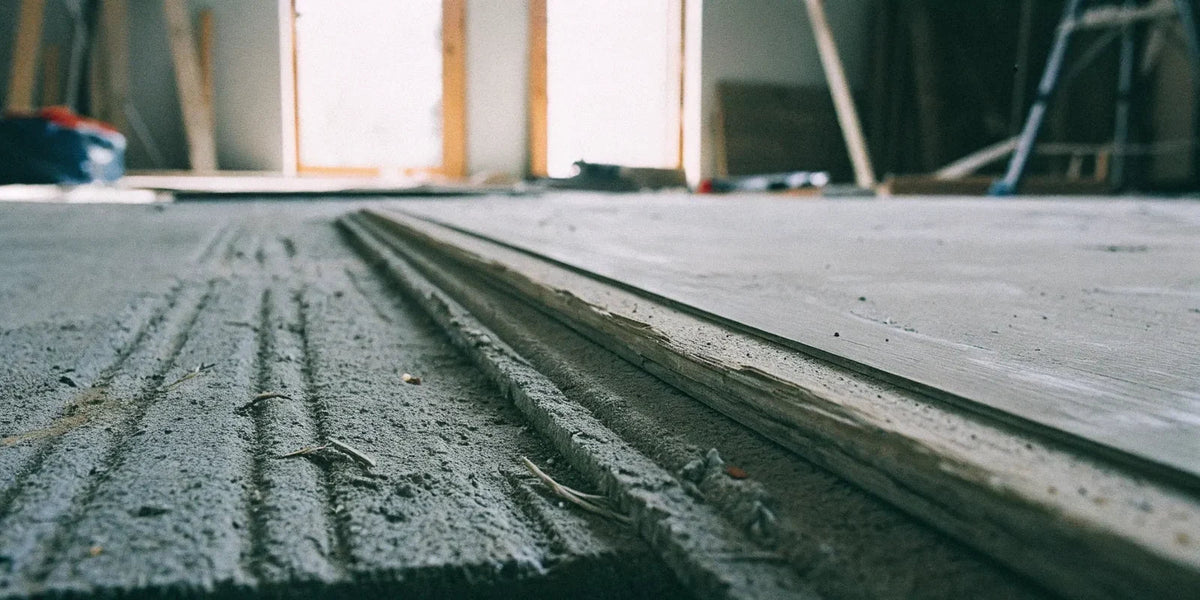
The disadvantages of fiber cement board shown during a difficult and heavy installation process.

Fiber Cement Board Disadvantages You Can't Ignore

On paper, fiber cement seems like a fantastic investment. It’s tough, non-combustible, and designed to withstand harsh weather. But what you don’t often hear about are the practical realities of working with it. The material is incredibly heavy, requires specialized tools for cutting, and generates hazardous silica dust during installation. Beyond the build, it demands regular painting and caulking to prevent moisture damage, which adds to its total cost of ownership over time. Before you finalize your plans, it’s essential to understand these fiber cement board disadvantages. This article breaks down the key issues that can turn this supposedly simple solution into a costly and complicated headache.

Key Takeaways

  • Look Beyond the Sticker Price: The initial cost of fiber cement is just the beginning. You must also factor in the high price of specialized labor and the long-term expense of repainting to understand the true financial commitment.
  • Professional Installation Isn't Optional: Due to its weight, brittleness, and the dangerous silica dust created when cut, fiber cement requires a skilled crew with specialized safety equipment, making it unsuitable for most DIY projects.
  • It's Not a Low-Maintenance Material: Fiber cement demands regular upkeep. To prevent moisture damage and maintain its appearance, you'll need to budget for routine painting, caulking inspections, and careful cleaning.

What Exactly Is Fiber Cement Board?

If you’ve spent any time researching building materials, you’ve probably come across fiber cement board. It’s a popular choice for both residential and commercial projects, often praised for its durability and resistance to common issues like rot and pests. On the surface, it seems like a fantastic, all-around solution for everything from exterior siding to interior walls. But before you commit, it’s important to understand what this material actually is and where it shines, because that will help you see where it falls short.

Fiber cement boards are a composite material, meaning they’re engineered from a mix of different components to achieve specific properties. Think of it as a high-tech blend designed to be tougher than wood but more flexible than pure concrete. This unique composition gives it a reputation for standing up to harsh weather, making it a go-to for builders in a variety of climates. It’s also non-combustible, which adds a layer of safety that many homeowners and contractors value. It's marketed as a low-maintenance, long-lasting product that can mimic the look of wood, stucco, or masonry without the associated upkeep. While it has its place, understanding its makeup and intended uses is the first step in deciding if it’s truly the right fit for your project, especially when you weigh its benefits against its significant drawbacks.

How It's Made and What It's Made Of

So, what’s in this stuff? The recipe for fiber cement board is surprisingly simple. It’s primarily made by mixing Portland cement, sand (or silica), and water with cellulose fibers. These fibers, which are essentially wood pulp, act as a reinforcing agent, much like rebar in concrete. They distribute stress throughout the board, preventing it from becoming too brittle.

Once mixed, this slurry is pressed into sheets, cured, and cut to size. The result is a dense, stable panel that combines the strength of cement with the slight flexibility of wood fibers. This process is what gives the material its well-known resistance to fire, insects, and decay, making it a seemingly reliable choice for builders.

Common Uses in Building Projects

Thanks to its durability and moisture resistance, you’ll find fiber cement board used in several key areas of construction. One of its most common applications is for exterior siding, where it provides a tough barrier against the elements. It’s also frequently used for soffits and trim to complete a home’s exterior look.

Inside the home, it serves as an excellent tile backer board in high-moisture areas like bathrooms and kitchens. Unlike drywall, it won’t crumble or degrade when exposed to water, making it a solid base for porcelain tiles around showers and tubs. You might also see it used in roofing or as an underlayment for flooring, though these applications are less common than siding and tile backing.

The High Cost of Fiber Cement

Let's talk about the budget. While fiber cement is known for its durability, it's also known for its price tag. When you're planning a project, the cost is often one of the biggest deciding factors, and with fiber cement, the expenses go beyond just the price of the boards. From the material itself to the specialized labor required to install it, the total investment can be significantly higher than you might expect. Understanding these costs upfront helps you make a more informed decision and avoid any surprises down the road. Let's break down exactly where that money goes.

Why It Costs More Than Other Materials

When you compare fiber cement to other common materials like vinyl, you'll notice a clear difference in the upfront cost. This isn't just a random price hike; it comes down to what the boards are made of and how they're produced. The manufacturing process is more complex, blending cement, sand, and cellulose fibers into a dense, heavy product. That weight also plays a role in the final price. Heavier materials mean higher shipping and freight costs, which get passed on to the buyer. While you're investing in a sturdy product, it's important to account for these built-in expenses when you're pricing out your fiber cement boards.

Factoring in Labor-Intensive Installation

The material cost is only one part of the equation. Installing fiber cement is a labor-intensive job that requires a specific skill set and specialized tools, which drives up labor costs significantly—sometimes two to three times more than other siding options. This isn't a weekend DIY project for most people. Because the material is heavy and brittle before it's installed, it requires careful handling. You'll need to hire a professional crew with experience in fiber cement to get the job done right, which adds another layer to your budget. For contractors, managing these costs is key, which is why programs for trade professionals can help offset some of the expense.

Why It's So Heavy and Hard to Handle

One of the first things you'll notice about fiber cement board is its sheer weight. This density is part of what makes it durable, but it's also one of its biggest drawbacks. The heft of these boards creates a ripple effect of challenges that touch every phase of a project, from the moment they leave the warehouse to the final installation. It’s not just a matter of needing an extra set of hands; the weight impacts your budget, your timeline, and even the structural requirements of your building. Before you commit to this material, it’s crucial to understand the logistical and engineering hurdles you’ll need to clear. Let's look at what this means for transporting the material and supporting it once it's installed.

Challenges with Transport and Storage

Getting fiber cement boards to your job site is the first hurdle. Because they are so heavy, shipping costs are significantly higher compared to lighter materials like vinyl. This added expense needs to be factored into your budget from the start. Once on-site, the challenge continues. A single person can't safely or easily move these panels, so you'll need a team, which increases labor costs. The boards are also surprisingly brittle before they're installed, meaning they can easily chip or crack if not handled with extreme care. This risk of breakage can lead to material waste and frustrating delays if you have to reorder, making proper material handling a critical part of the job.

Does Your Structure Need Extra Support?

The weight of fiber cement doesn't just disappear after installation—your building has to support it for decades. Before you install it, you have to be certain your home's framing is strong enough to handle the substantial load from the fiber cement boards. For older homes or renovations, this might require a professional assessment from a structural engineer to prevent long-term problems like sagging or stress on the foundation. This is an extra step and cost that isn't necessary with lighter siding options. Ignoring this could compromise your home's structural integrity, turning a simple exterior upgrade into a major and expensive repair down the road.

The Complexities of Installation

Unlike wood or vinyl siding, installing fiber cement board is not a straightforward weekend project. Its unique composition of cement, sand, and cellulose fibers creates a heavy, brittle material that demands a specific skill set and specialized equipment. The process is unforgiving, and mistakes can be costly, leading to wasted materials and compromised performance. From the tools required to the sheer manpower, the installation process is one of the biggest drawbacks for both DIY enthusiasts and professional builders who are unfamiliar with the material. Before committing to fiber cement, it’s critical to understand that the installation is a significant undertaking that requires precision, patience, and professional expertise to get right. If you're looking for a simpler installation, materials like interior wall panels often provide a more user-friendly alternative.

The Need for Specialized Tools

You can’t just use standard woodworking tools for fiber cement. Cutting these boards generates fine crystalline silica dust, a known carcinogen that poses serious health risks if inhaled. To manage this, installers need specialized equipment like saws with dust collection systems and blades designed specifically for fiber cement. Proper personal protective equipment (PPE), including N95 respirators, is not just recommended—it's essential for anyone on the job site. The investment in these tools and safety gear adds another layer of cost and complexity to the project, making it less accessible for those without a dedicated setup for handling hazardous materials.

Why Professional Installation Is a Must

Given the material's weight and the safety precautions required, installing fiber cement boards is a job best left to experienced professionals. It’s not just about having the right tools; it’s about knowing the right techniques. Professionals understand how to properly space fasteners, manage expansion and contraction gaps, and handle the material without causing damage. Hiring a crew with specific experience in fiber cement is crucial for ensuring the siding is installed correctly and will perform as expected for years to come. An improper installation can void the manufacturer's warranty and lead to premature failure, turning a durable product into a costly mistake.

Handling with Care: The Risk of Breakage

Before it’s fastened to a wall, fiber cement board is surprisingly brittle. The panels can easily chip, crack, or snap if they are mishandled, dropped, or improperly stored. This fragility means that every step, from unloading the truck to lifting the panels into place, requires extreme care. It typically takes two people to carry and position a single board to prevent it from flexing and breaking under its own weight. This risk of breakage can lead to significant material waste, driving up project costs and causing frustrating delays while you wait for replacement boards to arrive on-site.

Understanding the Health and Safety Risks

Beyond the installation challenges, it’s crucial to talk about the health and safety risks of working with fiber cement board. This isn't to scare you, but to make sure you and your team are properly prepared and protected. The main concern comes from the dust created when the material is cut, drilled, or sanded. This dust isn't like regular sawdust; it contains particles that can be harmful if inhaled. Taking the right precautions is non-negotiable for any project involving fiber cement, whether you're a seasoned contractor or a hands-on homeowner. Knowing the risks and how to manage them ensures your project is not only successful but also safe for everyone involved.

The Dangers of Silica Dust Exposure

When you cut fiber cement board, you're not just kicking up simple dust. The process releases fine particles of respirable crystalline silica, a known carcinogen. This dust is so fine that it can hang in the air and be easily inhaled deep into your lungs. While the installed fiber cement boards are perfectly safe, the danger lies entirely in the installation phase. According to the Occupational Safety and Health Administration (OSHA), repeated exposure to silica dust without proper protection can lead to serious, long-term health issues. It’s a hazard that every professional and DIYer needs to take seriously before making the first cut.

Essential Protective Gear and Precautions

Protecting yourself from silica dust is straightforward with the right gear and techniques. First, always wear appropriate personal protective equipment (PPE). This includes a NIOSH-approved respirator (an N95 mask is a good start), safety glasses to protect your eyes, and gloves. Second, focus on minimizing the dust you create. Instead of using a standard circular saw, opt for methods like the "score-and-snap" technique with a special knife. If you must use a power tool, choose one with a built-in dust collection system or use a wet-cutting saw, as the water suppresses the dust. Always cut outdoors in a well-ventilated area to help disperse any airborne particles.

Long-Term Health Concerns

The reason for all these precautions is the severe long-term health problems linked to silica dust. The primary concern is silicosis, an incurable and progressive lung disease that causes scar tissue to form in the lungs, making it difficult to breathe. Over time, consistent exposure can also lead to lung cancer, kidney disease, and chronic obstructive pulmonary disease (COPD). These conditions may not appear for years after exposure, which is why preventative measures are so critical. By following safe work practices from the very beginning, you can effectively eliminate these risks and ensure your health isn't compromised for the sake of your project.

The Reality of Long-Term Maintenance

Fiber cement is often presented as a low-maintenance material, but the reality is that it requires consistent upkeep to perform well and look its best. Unlike materials that can be left alone for decades, fiber cement demands a regular schedule of care that you’ll need to budget for in both time and money. From repainting the surface to inspecting and repairing caulked joints, the maintenance isn’t a one-time task.

This ongoing commitment is something many homeowners and even some contractors overlook at the time of purchase. The initial durability of the product can create a false sense of security, but environmental factors like sun, rain, and fluctuating temperatures take their toll over the years. Neglecting these maintenance tasks doesn't just affect curb appeal; it can compromise the integrity of the siding and lead to more significant, costly problems down the road. Before you commit, it’s important to understand what this long-term relationship with your siding really involves.

The Constant Need for Painting and Sealing

One of the biggest maintenance tasks for fiber cement is painting. While many boards come pre-painted with warranties lasting up to 15 years, real-world conditions often mean you’ll be repainting much sooner. The paint isn't just for looks; it acts as a protective seal against moisture. Once that finish starts to fade, chip, or peel, the board becomes more vulnerable to water absorption.

You’ll need to plan for a full repaint every 5 to 10 years to keep the material protected and your home looking fresh. This is a significant expense that adds to the total cost of ownership over time. When considering exterior options, it's worth comparing this cycle of repainting with materials like our Exterior Shiplap Cladding Wall Panels, which may offer a different maintenance profile.

Maintaining Joints and Caulking

The seams between fiber cement boards are another area that requires constant attention. These joints are sealed with caulk to keep water out, but caulk doesn't last forever. Exposure to UV rays and temperature changes causes it to dry out, crack, and pull away from the boards over time. This creates openings for moisture to seep in behind the siding, which can lead to rot and structural damage.

Installers must follow instructions perfectly to seal every gap, as improper sealing can void the warranty. As a property owner, you’ll need to inspect these joints annually and re-caulk any areas that show signs of wear. It’s a tedious but critical task that is essential for preventing water intrusion and protecting the integrity of your building’s exterior.

Upkeep for Weather and Cleaning

Beyond painting and caulking, fiber cement requires regular cleaning to stay in good shape. Depending on your climate, it can be prone to collecting dirt, dust, and even mildew or algae, especially on sides of the building that don't get much sun. Cleaning isn't always as simple as spraying it with a hose; using a pressure washer that’s too powerful can easily damage the paint or the surface of the board itself.

You’ll need to use a soft brush or cloth with a mild detergent, which can be a time-consuming job for a large home. Any small chips or cracks from impacts also need to be sealed and repaired quickly to prevent moisture from getting in. This level of upkeep is a stark contrast to more robust materials like our custom steel doors, which are engineered for strength and minimal maintenance.

Questioning Its Durability and Performance

Fiber cement is often sold on the promise of long-lasting performance, but it’s important to look past the marketing claims. While it can be a sturdy material under ideal conditions, its real-world durability is often compromised by a few key weaknesses. From cracking under temperature swings to absorbing moisture, the performance of fiber cement board isn't always as straightforward as it seems. These issues can lead to costly repairs and maintenance down the road, turning a supposedly durable investment into a recurring headache for property owners and a liability for contractors. Before you commit to fiber cement, let's break down some of the most common performance problems you might face.

Prone to Cracking from Thermal Expansion

One of the biggest issues with fiber cement is its reaction to temperature changes. Like many building materials, it expands in the heat and contracts in the cold. Over time, this constant movement can cause stress, leading to cracks in the boards. This is especially true in climates with dramatic seasonal shifts. Add in weather events like hail storms or high winds, and the material’s vulnerability increases. According to one report, fiber cement shakes can show wear in just a few years as bad weather accelerates its breakdown. These cracks aren't just cosmetic; they create openings for moisture to seep in, which can cause even more significant problems.

Brittleness and Susceptibility to Impact

Despite its weight, fiber cement is surprisingly brittle, particularly before and during installation. The panels can easily chip or break if not handled with extreme care, which often requires two people for safe transport and placement. This fragility can lead to wasted materials and drive up project costs. After installation, the siding remains susceptible to impact damage. A stray rock from a lawnmower, a misplaced ladder, or a heavy hailstorm can cause chips, cracks, or dents that are difficult to repair seamlessly. For areas that need to withstand daily wear and tear, materials with greater impact resistance, like modern steel doors, often provide a more reliable and resilient solution.

Problems with Moisture Absorption

Perhaps the most critical performance issue is fiber cement's tendency to absorb moisture. If the boards are not perfectly sealed and installed, water can penetrate the material, leading to swelling, rot, and mold growth over time. The installation process is unforgiving; every cut edge must be sealed, and all gaps must be properly caulked. As experts at Progressive Foam note, failure to follow installation instructions precisely can allow moisture to get in and completely void the manufacturer's warranty. This puts immense pressure on installers to achieve a flawless application, as even a minor mistake can compromise the entire siding system and lead to severe water damage.

Facing Design and Environmental Drawbacks

Beyond the practical challenges of installation and maintenance, you might find that fiber cement doesn’t align with your project's aesthetic goals or sustainability standards. Its limitations in design and its environmental footprint are significant factors to consider before you commit. These drawbacks can impact everything from the creative possibilities of your space to the long-term environmental cost of your build, making it essential to look at the complete picture.

Challenges with Cutting and Customization

When you cut fiber cement board, it releases fine crystalline silica dust into the air. This isn't just messy—it's a serious health hazard. According to the Occupational Safety and Health Administration (OSHA), inhaling silica dust can lead to severe lung diseases, including silicosis and lung cancer. To work with it safely, installers need specialized cutting tools with dust collection systems, proper ventilation, and must wear respirators. This turns a simple task like cutting a panel to size into a complicated safety procedure, adding time, cost, and risk to your project.

Limited Style and Aesthetic Choices

While fiber cement is functional, it often falls short on design flexibility. Most panels and shingles have a uniform, manufactured look that can feel generic. Even the options designed to mimic wood grain can lack the authentic warmth and texture of the real thing and require constant upkeep to maintain that appearance. If your project calls for a unique, high-end finish, you might feel constrained. For truly distinctive designs, exploring materials like natural wood wall panels or fluted slats can provide the texture, depth, and custom look that fiber cement simply can't deliver.

Is It an Environmentally Friendly Choice?

Fiber cement is often marketed as a "green" option because it includes natural materials, but its production process tells a different story. Manufacturing fiber cement is incredibly energy-intensive. The material is also very heavy, which increases the fuel needed for transportation and contributes to a larger carbon footprint. In fact, some studies have shown that fiber cement has a greater negative environmental impact compared to materials like natural wood or even insulated vinyl siding. If sustainability is a key factor in your build, it's worth questioning whether fiber cement is the most responsible choice for your project.

Are There Better Alternatives to Fiber Cement Board?

After weighing the disadvantages of fiber cement, from its high installation costs to its demanding maintenance schedule, it's natural to wonder what other options are out there. The good news is that the building materials market is full of innovative products that address the very weaknesses of fiber cement. Choosing the right material means looking beyond the initial purchase price to consider the total cost of ownership, including labor, long-term upkeep, and even the environmental impact of manufacturing and shipping.

Modern alternatives often provide a better balance of durability, aesthetics, and ease of use. Materials like engineered wood, composite panels, and even certain metal systems can offer a similar look with fewer installation headaches and less required maintenance. For many homeowners and contractors, switching to a lighter, more flexible material saves time and money without sacrificing curb appeal or performance. Exploring these options can help you find a solution that not only fits your design vision but also aligns with your budget and long-term goals for the property.

Comparing Costs and Benefits with Other Materials

When you look at the numbers, fiber cement often sits in a tricky middle ground. It’s generally more expensive than vinyl siding, yet it doesn't offer the maintenance-free convenience that many homeowners expect at a higher price point. The real cost, however, goes beyond the price per square foot. Because it’s heavy and requires special tools, the installation process is more difficult and expensive, almost always requiring a specialized crew.

Beyond installation, you have to factor in long-term maintenance. Fiber cement needs repainting every 10 to 15 years to protect it from moisture and keep it looking fresh. This recurring expense can add up significantly over the life of your home. In contrast, some alternatives come with factory-finished colors that are designed to last for decades, saving you thousands in painting costs and countless hours of upkeep.

Exploring Superior Options for Your Project

If you're looking for a durable and stylish alternative, modern composite and wood panels are an excellent choice. For example, Exterior Fluted Slat Wall Panels offer a contemporary aesthetic with clean lines that can transform any building's facade. These panels are often lighter than fiber cement, making them easier to handle and faster to install. This can lead to significant savings on labor costs, which is a huge win for any project budget.

Furthermore, many of these alternative materials are engineered for performance with minimal upkeep. Unlike fiber cement, which has a high-energy manufacturing process and is heavy to transport, many newer materials are designed with sustainability in mind. Options like Exterior Shiplap Cladding provide the classic, timeless look of wood without the risk of rot or pests, giving you a beautiful, long-lasting finish you can depend on for years to come.

Related Articles

Read more

Textured geometric 4x8 paintable wall panels ready for a custom paint color.
Wall Panels & Cladding

4x8 Paintable Wall Panels 101: The Complete Guide

Get expert tips on choosing, installing, and customizing 4x8 paintable wall panels for any space. Find styles, materials, and DIY advice in this complete guide.

Read more
A sleek modern front door with one sidelight and frosted glass panels.
Product Spotlights & Reviews

Modern Front Door with One Sidelight: A Buyer's Guide

Find the best modern front door with one sidelight for your home. Learn about materials, styles, costs, and tips for choosing the perfect entryway.

Read more