


Your Guide to Fire-Resistant Cement Board
You’ve picked out the perfect tile for your new fireplace surround or kitchen backsplash. But what goes behind it? Sticking tile directly onto drywall in these high-heat zones is a recipe for trouble. You need a substrate that won’t warp, grow mold, or—worse—catch fire. This is where fire-resistant cement board shines. It provides a stable, non-combustible base that protects your home from both heat and water damage. We'll cover exactly where to use it, how to install it correctly, and why it’s the unsung hero of any safe and durable renovation.
Key Takeaways
- Fire Resistance Buys You Time: Remember that cement board is fire-resistant, not fireproof. Its non-combustible core is designed to contain flames and slow the transfer of heat, which is critical for giving you more time to get to safety during a fire.
- Focus on High-Risk Zones: For the biggest impact on safety and durability, use cement board in areas exposed to heat or moisture. It’s the ideal foundation for fireplace surrounds, kitchen backsplashes, and as a waterproof tile backer in bathrooms.
- Proper Installation is Everything: A fire-rated board only works if it's installed correctly as part of a complete system. Always use the specified fasteners and fire-rated sealants on joints, and follow manufacturer guidelines to ensure the entire wall assembly provides the protection you expect.
What Is Fire-Resistant Cement Board?
When you’re planning a renovation, especially in areas like kitchens or bathrooms, you need materials that can handle heat and moisture. That’s where cement board comes in. At its core, cement board is a sheet of building material made from a blend of cement and reinforcing fibers, often with a fiberglass mesh for added strength. Think of it as a super-durable, water-resistant alternative to drywall.
Its non-combustible nature is what makes it a standout choice for improving fire safety. Unlike wood or standard drywall, cement board doesn’t burn. Instead, it’s designed to withstand high temperatures and contain flames, slowing down the spread of a fire from one room to another. This quality makes it an essential component in fire-rated wall and floor assemblies. Whether you're tiling a shower, building a fireplace surround, or looking for a durable exterior cladding, fiber cement boards provide a stable and safe foundation for your project.
What Do Fire Ratings Actually Mean?
So, what does "fire-rated" actually mean? In simple terms, a fire rating tells you how long a material or a complete assembly (like a wall) can withstand a standard fire test. For cement boards, the fire rating typically falls between one and two hours. This means a properly installed wall using cement board can help contain a fire for that amount of time, which is critical during an emergency. A great practical example is its use near heat sources. Installing cement board can reduce the required clearance between a wood stove and a combustible wall by up to 40%, giving you more design flexibility without compromising safety.
Fireproof vs. Fire-Resistant: What's the Difference?
It’s easy to use the terms "fireproof" and "fire-resistant" interchangeably, but they mean very different things. No building material is truly fireproof, meaning it can’t be destroyed by fire under any circumstances. Instead, materials like cement board are fire-resistant. This means they are specifically designed to resist heat and flames for a limited period. They won't feed the fire or fall apart quickly, which helps to slow its progress significantly. Understanding this distinction is key to setting realistic safety expectations for your building materials. The goal is containment and slowing the spread, not complete immunity to fire.
How Fire Resistance Keeps Your Home Safe
The primary benefit of using fire-resistant materials is simple: they buy you precious time. By slowing down how quickly a fire can move through a structure, cement board gives occupants more time to evacuate safely and for emergency services to arrive. This containment can be the difference between a small, manageable incident and a catastrophic loss. When you combine fire-resistant walls with other safety-focused products like solid-core or steel doors, you create a layered defense system that protects both property and, more importantly, people. It’s a foundational part of building a safer home or commercial space.
Usage in Fire-Resistant Construction
So, where should you actually use fire-resistant cement board? Focus on the high-risk zones in your home—anywhere you have a combination of heat and moisture. It’s the ideal substrate for a fireplace surround, the wall behind your kitchen stove, or as a tile backer in bathrooms and laundry rooms. In these areas, standard drywall just won't cut it. The non-combustible core of cement board provides a critical barrier that won't burn, slowing the spread of flames and protecting the structural framing behind it. Using fiber cement boards not only improves fire safety but also gives you a durable, water-resistant foundation that prevents mold and rot, making it a smart, long-term investment for any project.
Which Cement Board Brands Have the Best Fire Ratings?
When you’re choosing a cement board, fire resistance is a top priority. Different brands offer varying levels of protection based on their materials and manufacturing processes. Let’s look at some of the most popular options on the market and see how they stack up.
A Look at USA Builders Depot Fiber Cement Boards
Our Fiber Cement Boards are engineered to be a "strong, long-lasting building material known for their durability, fire resistance, and eco-friendly composition." Made from a mix of cement, sand, and cellulose fibers, these boards are inherently non-combustible and won’t break down when exposed to high heat. This makes them an excellent choice for fireplace surrounds, kitchen backsplashes, and exterior cladding where fire safety is a primary concern. Their robust construction also means they resist moisture, rot, and pests, giving you a reliable and safe surface that’s built to last.
Durock: Features and Fire Rating
Durock is a well-known name in the industry, and for good reason. According to its manufacturer, "Durock Board is noncombustible, providing an extra layer of protection against fire hazards." This makes it a trusted material for projects requiring a high degree of fire safety. Its solid core and EdgeGuard technology provide a strong, stable base for tile in both wet and dry areas. Many contractors choose Durock for its reliability in high-heat zones and its ability to stand up to tough conditions without degrading, ensuring peace of mind for both builders and homeowners.
HardieBacker: Performance and Fire Rating
HardieBacker is another industry staple, recognized for its strength and performance. Made from 90% Portland cement and sand, it’s a dense, durable board that is "acceptable for fire-resistant applications." Its unique formulation ensures it won't fuel a fire and will remain structurally stable when exposed to flames, helping to slow the spread of fire between rooms. HardieBacker’s composition also makes it highly resistant to moisture and mold, making it a versatile choice for everything from bathroom walls to kitchen countertops where both heat and humidity are present.
WonderBoard: A Breakdown of Its Fire Resistance
WonderBoard is a common choice, particularly for DIY projects, but it’s important to understand its composition. While the core is cementitious, some versions have a fiberglass mesh backing. As one expert noted, this "mesh backing that can burn and emit fumes in a fire." For applications with direct or extreme heat, like a fireplace surround, this can be a significant concern. While WonderBoard Lite is suitable for many standard applications, you should always check the specific product specifications and consider a board without a combustible backing for areas requiring the highest level of fire protection.
What Do Fire Safety Standards Mean for You?
When you're choosing building materials, especially for areas that need extra protection, you'll come across a lot of technical terms like "Class A" or "1-hour rated." It can feel like trying to read another language, but understanding these fire ratings is key to ensuring your project is safe and up to code. These standards aren't just arbitrary labels; they represent rigorous testing that determines how a material behaves in a fire. Knowing what they mean helps you select the right products, like fiber cement boards, for the right applications.
Think of these ratings as a safety guarantee. They tell you how well a material can resist catching fire, how quickly flames might spread across its surface, and how long it can help contain a fire before breaking down. For contractors, this knowledge is essential for meeting building codes and delivering a secure structure. For homeowners, it provides invaluable peace of mind, knowing that the materials in your walls, floors, and ceilings are designed to protect you and your family. Let's break down the most common ratings you'll see.
What Is the ASTM E136 Noncombustibility Test?
One of the most fundamental fire safety tests is the ASTM E136. This standard determines if a material is noncombustible, meaning it won't ignite, burn, or release flammable vapors when exposed to fire. To pass, a material must prove it doesn't contribute fuel to a fire, which is a critical first line of defense. According to technical notes from USG, "All DUROCK cement board products meet ASTM Standard E136 for noncombustibility." When you see that a product has passed this test, you can be confident it won't add to a fire's intensity, making it a foundational element of fire-resistant construction.
What Is a Class A Fire Rating?
While noncombustibility is about whether a material will burn, the Class A fire rating is about how quickly flames spread across its surface. This is the highest and safest classification a material can receive. As one industry guide explains, "Most cement board does not burn and gets a Class A fire rating, meaning flames spread very slowly (Flame Spread Index of 0)." A Flame Spread Index of zero is perfect—it means the fire isn't going anywhere on that surface. This rating is crucial for wall coverings, ceilings, and other visible surfaces where slowing a fire's progress can make all the difference.
1-Hour vs. 2-Hour Fire Ratings: Which Do You Need?
You'll often see materials mentioned as part of a "1-hour" or "2-hour" fire-rated assembly. This rating measures endurance—it tells you how long a complete system (like a wall or floor) can withstand a fire before being compromised. It's important to know that this rating applies to the entire assembly, not just one component. However, "cement board is often used in building systems that provide 1-hour or 2-hour fire resistance." By incorporating cement board into a wall with the correct framing and insulation, you can build a barrier that effectively contains a fire for a specific period, allowing more time for evacuation.
What Does UL Certification Mean for Safety?
When you see the UL mark on a product, it signifies that it has been tested by Underwriters Laboratories, a globally recognized third-party safety organization. This certification is a trusted indicator that a product meets stringent safety and performance standards. For building materials, a UL certification provides an extra layer of assurance that the product will perform as advertised in critical situations. Since "cement board is a strong, non-combustible material that significantly improves fire safety in buildings," having a UL certification confirms it has been rigorously evaluated, giving both builders and homeowners confidence in its protective capabilities.
What Makes Cement Board Fire-Resistant?
Cement board’s ability to stand up to fire isn’t just a single feature—it’s the result of its fundamental design and physical properties. Unlike drywall or wood-based sheathing, which contain combustible materials, cement board is engineered from the ground up to be non-combustible. Its resilience comes from a combination of its core materials, its ability to handle moisture without degrading, its performance under extreme heat, and how it integrates into a complete wall system. Understanding these four elements helps you see why it’s such a reliable choice for creating safer spaces in any construction or renovation project. Let's look at what makes this material a go-to for fire-rated assemblies.
How Composition and Thickness Affect Fire Resistance
At its core, cement board is a simple but powerful combination of cement, water, and reinforcing fibers, often with a fiberglass mesh for added strength. This composition is inherently non-combustible, meaning it won't ignite or contribute fuel to a fire. When exposed to flames, it doesn't burn or release toxic fumes. The thickness of the board also plays a direct role in its fire resistance. A thicker board contains more mass, allowing it to absorb and dissipate more heat before its structural integrity is compromised. This is why specific thicknesses are required to achieve certain fire ratings—the more material there is, the longer it can protect the structural elements behind it.
Common Sizes and Thicknesses
Cement boards come in standard sheet sizes, but the thickness is what really dictates its performance. The most common options you'll find are 1/4-inch, 1/2-inch, and 5/8-inch. The right choice depends entirely on your project. For instance, the thinner 1/4-inch board is often used as a tile underlayment on floors, while the 1/2-inch board is the go-to for walls in bathrooms and kitchens. When you need enhanced fire resistance for a fireplace surround or a wall assembly that needs to meet specific codes, the thicker 5/8-inch board is the one to use. Choosing the correct thickness from a range of fiber cement boards is a critical step in ensuring your installation is not only durable but also safe and compliant.
Beyond Fire: Moisture Resistance and Durability
A material's durability is key to its long-term safety, and cement board’s exceptional moisture resistance is a major advantage. Because it doesn't rot, warp, or grow mold when exposed to water, it maintains its strength and structure over time, even in humid environments like bathrooms or basements. This is crucial for fire safety because a material compromised by moisture damage can't perform as expected in a fire. Its stability ensures that the fire barrier you install today will remain effective for years to come, without degrading due to environmental factors. This reliable durability makes it a trustworthy component in any fire-rated wall or floor assembly.
Long-Term Durability and Warranties
Investing in a material like cement board is about more than just meeting code; it's about long-term peace of mind. Because it resists moisture and won't rot or warp, the fire protection you install today will be just as effective decades from now. This reliable performance is often backed by manufacturer warranties, giving you an extra layer of confidence in your investment. When you choose quality fiber cement boards, you're getting a product designed to last the lifetime of your home. Plus, this durability can have financial perks. Many homeowners find that using certified fire-resistant materials can lead to lower insurance premiums, making it a smart choice for both safety and your budget.
How Cement Boards Perform Under High Heat
When exposed to high temperatures, cement board acts as a protective shield. The cement in the board has a high thermal mass, meaning it can absorb a significant amount of heat. This process dramatically slows the transfer of heat from one side of the board to the other, protecting structural components like wood or steel studs from reaching temperatures where they would weaken or ignite. This is why cement board is a key component in building systems designed to achieve 1- and 2-hour fire ratings. It’s also why it’s often used to reduce the required clearance between a heat source, like a wood stove, and a combustible wall.
Understanding Temperature Limitations
It's important to remember that "fire-resistant" doesn't mean "fireproof." Cement board has its limits. Its primary job is to slow down the transfer of heat, not to stop it completely. Think of it as a heat sponge; its high thermal mass allows it to absorb a tremendous amount of heat, protecting the structural elements behind it from igniting. This is what gives you a critical window of time—typically one to two hours for a properly installed system—to evacuate safely. The thickness of the cement board directly impacts how long it can perform this role. A thicker board has more mass to absorb heat, extending its protective capabilities. Understanding this helps you appreciate its function: it's a crucial safety measure designed to contain a fire and buy you time, not to withstand it forever.
Will It Work with Your Existing Framing?
A fire-resistant material is only effective if it's installed correctly. The overall fire rating of a wall or ceiling isn't just based on the cement board itself but on the entire assembly. This includes the type of framing used (wood or steel), the insulation in the wall cavity, the fasteners, and the sealants used at the joints. To achieve a specific fire rating, you must follow the manufacturer's installation guidelines precisely. Using the correct screws, ensuring joints are tight and properly sealed, and integrating the board into a tested system are all critical steps. The performance of high-quality fiber cement boards relies on this complete approach to installation.
Health and Safety Certifications
When you're comparing different cement boards, you'll notice labels like "UL Certified" or "Meets ASTM E136." These aren't just marketing buzzwords; they are your assurance that the product has been independently tested and meets specific safety criteria. For example, the UL mark from Underwriters Laboratories is a globally recognized sign that a product meets stringent safety and performance standards. Similarly, the ASTM E136 test confirms a material is noncombustible, meaning it won’t contribute fuel to a fire. Paying attention to these certifications gives you confidence that the board you choose will perform as expected, providing a reliable layer of protection for your home or project.
Where Should You Use Fire-Resistant Cement Board?
The versatility of fire-resistant cement boards is one of their biggest selling points. Because they are noncombustible, durable, and moisture-resistant, they are the perfect substrate for a wide range of projects inside and outside your home. Whether you’re looking for a reliable tile backer in a wet area or a safe barrier around a heat source, fiber cement boards provide a stable and long-lasting foundation. Their ability to stand up to tough conditions makes them a go-to material for contractors and DIYers who want to build things that last. Let’s look at some of the most common and effective places to use them.
Protecting Bathrooms and Other Wet Areas
Cement board is an excellent choice for wet areas like showers, tub surrounds, and bathroom floors. Unlike drywall or green board, it doesn't break down, swell, or grow mold when exposed to moisture. This makes it the ideal substrate for porcelain tiles and slabs, ensuring your beautiful tile work stays put and the structure behind it remains sound. Its stability prevents tiles from cracking due to shifting, giving you a durable, waterproof assembly that protects your home from water damage for years to come.
Building a Safe Fireplace Surround
When you’re designing a fireplace surround, safety is just as important as style. Fire-resistant cement board is a non-combustible material, making it the perfect choice for building out walls and hearths around fireplaces and inserts. It creates a heat-resistant barrier that protects the wood framing of your home from high temperatures. This allows you to safely apply a variety of finishes, from tile and stone veneer to plaster, without worrying about fire hazards. Using cement board gives you peace of mind and the creative freedom to make your fireplace a stunning focal point.
Why It's a Better Choice Than Brick or Metal Lath
While traditional materials like brick or metal lath have been used for years, fire-resistant cement board offers a more modern and practical solution. Brick is incredibly heavy and labor-intensive to install, while metal lath requires a messy and time-consuming scratch coat of mortar before you can even think about tiling. In contrast, cement board is lightweight, easy to cut, and fast to install, saving you significant time and effort on the job. Its engineered design provides a perfectly flat and stable surface for any finish, from tile to stone veneer, giving you a much smoother starting point.
Beyond the installation benefits, cement board delivers superior performance. Its non-combustible core and high thermal mass work together to absorb and slow the transfer of heat, effectively protecting your home's structural framing. Unlike metal lath, which can transfer heat, or brick, which is porous, fiber cement boards also offer excellent moisture resistance, ensuring they won’t degrade or fail in humid conditions. This combination of fire safety, durability, and ease of use makes it a smarter choice for any high-heat application, providing reliable protection without the hassle of older methods.
Improving Safety with Exterior Cladding
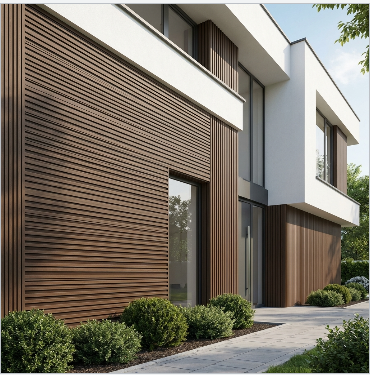
The same properties that make cement board great for interiors also make it a fantastic option for exterior applications. Used as siding or cladding, it provides a tough, durable shield against the elements. It resists damage from rain, snow, and pests, and it won't rot or warp like traditional wood siding. Plus, its inherent fire resistance can add a critical layer of protection to your home's exterior, which is especially important in areas prone to wildfires. It’s a low-maintenance solution that delivers both performance and curb appeal.
For a Fire-Safe Kitchen Backsplash
Kitchens are another area where cement board shines. For backsplashes, it provides a solid, water-resistant base for tile behind sinks and cooking areas, protecting the wall from splashes and steam. It’s also a great substrate for tiled countertops, offering a much more stable and durable alternative to plywood or particleboard, which can be damaged by moisture. Because it can handle both water and heat, it’s perfectly suited for the demands of a busy kitchen, ensuring your surfaces look great and perform well for a long time.
How to Safely Reduce Wood Stove Clearance
If you have a wood stove, you know that safety regulations require a specific amount of clearance between the stove and any combustible walls. This can sometimes force you to place your stove awkwardly in a room. A properly installed cement board wall shield can reduce the required clearance by as much as 40%. By creating a non-combustible barrier, the cement board protects the wall from intense heat, allowing you to safely place your stove closer to the wall and reclaim valuable floor space.
Building a Proper Wall Heat Shield
Constructing a wall heat shield is a smart move when you need to install a wood stove or other heat source closer to a wall than standard codes allow. The key is to use materials that create an effective, non-combustible barrier. For this, fire-resistant cement boards are an excellent choice. They are specifically engineered to withstand high temperatures and protect the wall's structure from heat damage. Unlike drywall, which has a paper facing that can burn, cement board’s core won’t contribute fuel to a fire, making it a safe and reliable foundation for your heat shield. This simple addition can completely change the layout possibilities in your room.
The biggest advantage of building a wall heat shield is the flexibility it gives you. According to guidelines from experts like National Gypsum, a properly constructed shield can reduce the required clearance between a wood stove and a combustible wall from 36 inches down to as little as 14 inches. This is a game-changer for smaller rooms or for anyone who wants more control over their interior design without compromising on safety. By creating a protective barrier that slows heat transfer, the shield ensures the wall behind it stays at a safe temperature, giving you both peace of mind and more usable space.
Remember, a fire-rated board only works if it's installed correctly as part of a complete system. To ensure your heat shield is effective, you must follow the manufacturer's guidelines to the letter. This means using the specified fasteners and applying fire-rated sealant to all joints and seams. Creating an air gap between the shield and the combustible wall is also a common requirement, as it helps dissipate heat. Skipping these steps can compromise the entire assembly, so take your time and do it right. A properly built heat shield provides reliable protection, but its performance depends entirely on proper installation.
How Cement Board Compares to Other Building Materials
When you're standing in the building materials aisle, the options can feel overwhelming. You have standard drywall, moisture-resistant green board, and then materials like cement board. While they might look similar from a distance, their performance under pressure—especially from heat and moisture—is vastly different. Choosing the right one isn't just about getting the job done; it's about ensuring the safety and longevity of your project. Let's break down how fiber cement board stacks up against two common alternatives: drywall and magnesium oxide (MGO) board, so you can make an informed decision for your specific needs.
Cement Board vs. Drywall
Drywall is the default for most interior walls, and for good reason—it's affordable, easy to install, and provides a smooth finish for painting. However, its gypsum core and paper facing make it a poor choice for areas that see a lot of heat or water. When you compare it directly to cement board, you start to see why specialized materials are so important in certain applications. The fundamental differences in their composition lead to huge gaps in performance, especially when it comes to fire safety and durability in demanding environments like kitchens, bathrooms, and around fireplaces.
Fire Resistance Ratings Compared
The biggest difference comes down to fire resistance. While cement board is non-combustible, drywall is not. Standard 1/2-inch drywall can typically resist fire for about 30 minutes, while specialized Type X drywall might last up to an hour. In contrast, a properly installed cement board is part of an assembly that can achieve a one- to two-hour fire rating. This significant difference in performance is because cement board doesn't have any flammable components, so it won't contribute fuel to a fire, helping to contain it much more effectively and for a longer period.
The Dangers of Drywall in High-Heat Zones
Using drywall near a heat source like a fireplace or wood stove is a serious safety risk. Even if the drywall itself doesn't immediately catch fire, its paper facing is a major vulnerability. Over time, constant exposure to high heat can dry out the paper, making it brittle and much more susceptible to ignition. According to experts, this dried-out paper can become a significant fire hazard. This is why building codes strictly prohibit using standard drywall in these high-heat zones and require a non-combustible material like cement board instead to create a safe and durable barrier.
Cement Board vs. Magnesium Oxide (MGO) Board
If you're looking for a material that takes performance to the next level, you might come across Magnesium Oxide (MGO) board. It's another non-combustible panel that's often compared to cement board. While both are excellent choices for fire-resistant construction, MGO board is generally considered to have even better fire and moisture resistance. It's also lighter, which can make it easier to handle and install. However, these premium features usually come with a higher price tag, making it a more specialized product. For most residential and commercial projects, fiber cement board provides more than enough protection and durability at a more accessible cost.
Is Fire-Resistant Cement Board Worth the Cost?
When you're planning a project, the budget is always a top consideration. It’s easy to look at the price tag of a material like a cement board and compare it to something like standard drywall, but that doesn’t tell the whole story. The real value of cement board isn't just in its upfront cost—it's in its long-term performance, durability, and the peace of mind that comes with using a fire-resistant, moisture-proof material.
Think of it as an investment. You might pay a bit more initially, but you're buying a product that won't warp, rot, or degrade over time. It stands up to moisture in bathrooms and kitchens and provides a critical layer of safety around fireplaces and in exterior applications. When you factor in the cost of potential repairs or replacements for less durable materials, cement board often comes out ahead. It’s about choosing a material that’s built to last, saving you money and headaches for years to come.
Budget vs. Premium: What's the Real Difference?
Not all cement boards are the same, but the good news is that you can find great value at different price points. Even standard fiber cement boards are incredibly tough, offering excellent fire and moisture resistance right out of the box. These are perfect for straightforward jobs like tiling a shower or creating a simple backsplash.
Premium boards often come with added features, like larger formats for fewer seams, specialized finishes for exterior cladding, or an even higher density for commercial-grade durability. The right choice really depends on your project's demands. Whether you need a reliable backer for a bathroom remodel or a stylish, non-combustible exterior, there’s a cement board that fits your budget without compromising on core performance.
What's the Average Cost Per Square Foot?
Let's talk numbers. While prices vary based on thickness and features, you can find high-quality, large-format fiber cement boards for around $5.59 per square foot. This makes it a highly competitive option, especially when you consider its benefits over other materials. For example, while standard drywall is cheaper, it offers zero protection against moisture and has a much lower fire rating.
When you compare cement board to other specialty materials, its value becomes even clearer. It provides a stable, durable, and safe substrate for tile, stone, or exterior finishes at a price that works for both residential and commercial projects. It’s an accessible material that delivers professional-grade results without breaking the bank.
Can It Save You Money on Home Insurance?
The real return on investment with cement board shows up over time. Because it’s resistant to rot, pests, and moisture, you won’t be dealing with costly repairs from water damage or decay. It’s a one-and-done solution that maintains its integrity for decades.
Beyond durability, there’s another financial perk: potential insurance savings. Many insurance companies offer lower premiums for homes built with fire-resistant materials. By choosing cement board for your walls, siding, or around heat sources, you’re not just protecting your property—you could also be reducing your annual expenses. It’s a smart choice that adds value and safety to your home.
Contractor Tip: How Bulk Pricing Can Save You Money
For contractors and trade professionals, efficiency and margins are everything. Buying cement boards in bulk is one of the easiest ways to manage both. Purchasing larger quantities almost always unlocks a lower price per sheet, which directly impacts your project's bottom line. It also means you have the materials you need on-site, preventing costly delays waiting for shipments.
Many suppliers, including USA Builders Depot, offer special pricing for professionals. By signing up for a trade program, you can get access to exclusive discounts, streamlined ordering, and fast shipping. This helps you stay on schedule, deliver high-quality work, and remain competitive in your bids.
How to Install Cement Board for Maximum Fire Protection
A fire-resistant cement board is an incredible safety feature, but its effectiveness hinges entirely on proper installation. Getting this step right is non-negotiable for safety. Think of the board as just one component in a complete fire-rated system. When you combine high-quality fiber cement boards with the right techniques and materials, you create a robust barrier that can slow the spread of fire and protect what matters most. Even small mistakes or shortcuts during installation can create weak points, compromising the very protection you’re trying to achieve.
The fire resistance of a wall or ceiling isn't just about the board itself; it’s about the entire assembly working together. This includes the framing it’s attached to, the insulation behind it, and the specific fasteners and sealants used to hold it all together. A board with a one-hour fire rating won't perform as expected if it's attached with the wrong screws or if the joints aren't properly sealed. Following the correct procedures ensures every component works in harmony to meet safety standards and local building codes. Let’s walk through the key steps to get it right, from the initial placement to the finishing touches, so you can feel confident in your project's safety.
Getting the Installation Right: A Step-by-Step Guide
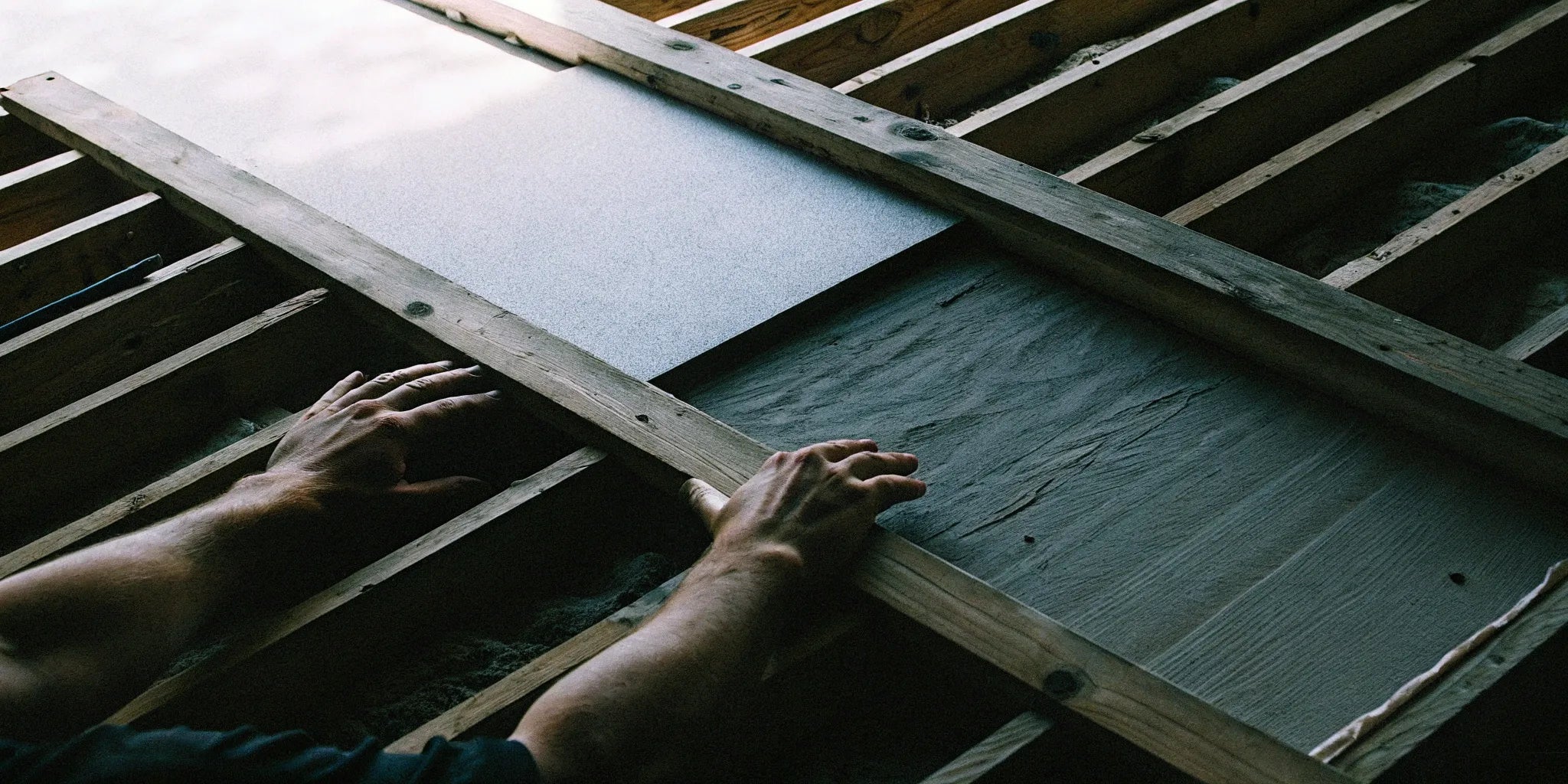
The single most important rule is to follow the manufacturer’s instructions and local building codes to the letter. These guidelines are not suggestions—they are requirements based on extensive testing to ensure the product performs as expected in a fire. Start by measuring your space and cutting the boards to size. For straight cuts, you can often use the score-and-snap method with a utility knife. For more complex cuts, a power saw with a blade designed for fiber cement and a dust collection system is best. When fastening the boards to the framing, pay close attention to the specified screw pattern to ensure the board is securely attached without creating stress points.
Which Sealants and Fasteners Should You Use?
The screws and sealants you use are just as critical as the board itself. For any fire-rated assembly, you must use approved, corrosion-resistant fasteners. Standard drywall screws are not sufficient, as they can fail under high heat. Instead, look for screws specifically designed for cement boards. The joints between boards are another potential weak point. To maintain the integrity of the fire barrier, you must seal these gaps with a fire-rated caulk or sealant. This step prevents flames and smoke from penetrating the wall assembly, giving you precious extra time in an emergency. Always check the product specifications to ensure your fasteners and sealants are compatible with your cement board and meet the required fire rating.
How to Integrate with Framing and Insulation
A cement board doesn't work in isolation. Its fire resistance is part of a system that includes the wall framing and insulation. The type of framing you use—typically wood or steel studs—plays a significant role. Steel studs are non-combustible and often preferred for achieving higher fire ratings. The insulation behind the board also contributes. Fire-rated insulation, such as mineral wool, is designed to withstand high temperatures and slow the transfer of heat through the wall. When all these components are installed correctly, they create a comprehensive fire-rated assembly. This system approach is essential for building a truly resilient and safe structure, where every part, from the steel doors to the interior walls, contributes to overall protection.
Common Installation Mistakes to Avoid
Even with the best materials, simple mistakes can undermine your fire protection. One of the most common errors is using the wrong fasteners, like grabbing a box of drywall screws instead of the specified cement board screws. Another frequent issue is improper fastener spacing—placing them too far apart can allow the board to warp in heat, while placing them too close to the edge can cause it to crack. It’s also crucial not to skip the joint treatment. Leaving gaps unsealed with fire-rated caulk creates a direct path for fire and smoke. Finally, remember that the job isn’t done after installation. You should inspect your cement board walls periodically for any cracks or damage and make repairs promptly to maintain their integrity.
What Contractors and Homeowners Are Saying
Technical specs and fire ratings tell one part of the story, but the real test is how these boards perform in actual homes and on job sites. Looking at feedback from both DIY homeowners and professional contractors gives us a clear picture of what to expect. Across the board, users value the peace of mind that comes with installing a non-combustible material, especially in high-risk areas.
Customer reviews often highlight the balance between performance and price, confirming that you don’t have to break the bank to achieve a safer installation. While different brands have their unique strengths, the overall sentiment is positive, pointing to fire-resistant cement boards as a reliable and essential building material. Let’s break down what users are saying about performance, installation, and long-term durability.
How Does It Perform in Real Homes?
Homeowners consistently praise fire-resistant cement boards for their effectiveness and value. Many users find that these boards deliver exactly what they promise: a stable, durable, and non-combustible substrate for tile, stone, and other finishes. One common piece of feedback, however, is that some boards can be fragile around the edges before they’re installed. This is a helpful tip for anyone new to working with cement board—handle with care during transport and cutting to avoid chipping. This minor issue is often seen as a small trade-off for the product’s overall strength and safety benefits once it’s properly secured.
Is It Easy to Install? Contractor Feedback
Professionals who install cement boards daily have specific criteria, and their feedback is invaluable. Contractors often praise boards that feature reinforced edges, as this small detail makes handling easier and reduces waste from damaged panels on the job site. Reliability is key, especially for projects in wet areas like bathrooms and kitchens where a solid tile installation is critical. For trade professionals, consistency and durability during the installation process are just as important as the final fire-rating. That’s why many apply for trade accounts to source reliable materials that perform predictably every time.
How Well Does It Hold Up Over Time?
When it comes to longevity, customer experiences align with the product’s technical promises. Fire-resistant fiber cement boards are engineered to withstand heat, moisture, and wear, and reviews confirm they do just that. Homeowners report that their installations look and feel solid for years, with no signs of degradation, even in demanding environments like fireplace surrounds or behind kitchen ranges. This long-term stability is a direct result of the materials meeting strict fire and safety codes. Knowing that the board is certified as non-combustible provides lasting confidence that the structure is protected, making it a worthwhile investment for any project.
Maintenance for Long-Term Performance
One of the best things about fire-resistant cement board is its incredible durability. It’s designed to be a long-lasting solution that you don’t have to constantly worry about. However, “low-maintenance” doesn’t mean “no-maintenance.” A little bit of attention goes a long way in making sure your installation continues to provide the fire protection and structural stability you expect. Simple, periodic checks can help you spot minor issues before they become problems, ensuring the integrity of your walls, floors, and exterior cladding for years to come. Think of it as a quick check-up to protect your investment and maintain your peace of mind.
Annual Inspection Guidelines
It’s a good idea to inspect your cement board installations at least once a year, especially in critical areas like fireplace surrounds or behind a wood stove. This aligns with recommendations from fire safety codes, which often call for annual inspections of fire barriers to ensure they remain effective. During your check, look for any signs of damage, such as cracks, chips, or crumbling edges. Also, check that all fasteners are still tight and that the fire-rated sealant in the joints is intact and not pulling away. Catching a small crack or a loose screw early and making a quick repair is much easier than addressing a larger issue down the road and ensures your fire-resistant assembly remains uncompromised.
Maintaining Exterior Fiber-Cement Siding
When used as exterior cladding, your fiber cement boards are exposed to a lot more than just potential heat—they face rain, sun, and temperature changes. To keep your siding in top shape, give it a gentle wash with a soft brush and mild soap and water each year to remove any dirt or mildew buildup. While you’re cleaning, inspect the paint or finish. If you notice any peeling or chipping, it’s important to touch it up to protect the board underneath. Also, check the caulking around windows, doors, and trim to make sure it’s still creating a tight seal against moisture. This simple routine not only keeps your home looking great but also preserves the siding’s protective qualities.
Where to Find the Best Deals on Fire-Resistant Cement Board
Finding high-quality, fire-resistant cement boards doesn’t have to break your budget. Whether you’re a homeowner tackling a weekend project or a contractor sourcing materials for a large build, knowing where to look can save you a significant amount of money. The key is to explore a few different avenues, from broad online marketplaces to specialized programs for professionals, to find the best value for your specific needs. By comparing prices and taking advantage of available discounts, you can get the performance you need at a price that fits your project’s bottom line.
Shopping for Deals at Online Retailers
Shopping online is one of the easiest ways to compare prices and find a wide selection of fire-resistant cement boards. Online suppliers often run promotions that you won’t find in stores. For example, many retailers offer a discount on your first purchase, which is perfect if you’re buying a large quantity for a new project. When you’re browsing, look for durable and eco-friendly options like fiber cement boards, which are known for their excellent fire resistance and longevity. Shopping online also gives you the convenience of having heavy materials delivered directly to your home or job site, saving you time and hassle.
Tips for Shopping at Local Supply Stores
Don’t overlook your local building supply stores. While their selection might not be as vast as online retailers, they offer the huge advantage of hands-on expertise. The staff can offer practical advice and help you choose the right board for your specific application, whether it’s for a fireplace surround or exterior cladding. You can often find popular brands like USG Durock Cement Board readily available. It’s always a good idea to ask if they have any local promotions or contractor-specific pricing, as you might uncover deals that aren’t advertised widely. Plus, you can inspect the materials yourself before buying.
How to Get Trade Discounts and Bulk Pricing
If you’re a contractor, builder, or trade professional, you should absolutely be taking advantage of trade programs. Many suppliers offer special pricing and bulk discounts that can lead to major savings on large orders. These programs are designed to build relationships with professionals who purchase materials regularly. By signing up for a trade application, you can get access to exclusive pricing that isn’t available to the general public. Buying in bulk is one of the most effective ways to lower your cost per square foot, making your bids more competitive and your projects more profitable.