


How to Choose a Door with Two Sidelights
Your home's entrance is the perfect place to show off your personal style. A door with two sidelights instantly creates a stunning focal point, but the real fun is in the details. This is your chance to play with textured glass, unique frame styles, and custom hardware to craft a look that’s all you. From the perfect paint color to the right finish on the handle, every choice matters. If you’re looking for creative front door with two sidelight ideas, this guide has the inspiration and practical tips to bring your vision to life.
Key Takeaways
- Sidelights Offer Both Style and Substance: They transform an entryway by adding natural light and major curb appeal. To get it right, choose a material like steel for top-tier security and select a glass style that gives you the perfect blend of brightness and privacy.
- Finishing Details Create a Polished Look: The right paint color, hardware, and glass choice are what make your entryway feel complete. Always factor in professional installation—it’s essential for ensuring your door is secure, weather-tight, and operates smoothly for years.
- A New Door Is a Smart Home Investment: Look beyond the initial cost and consider the long-term benefits. A high-quality, energy-efficient door can lower your utility bills and significantly raise your home's resale value, making it a fantastic return on investment.
What Are Sidelights and Why Do They Matter?
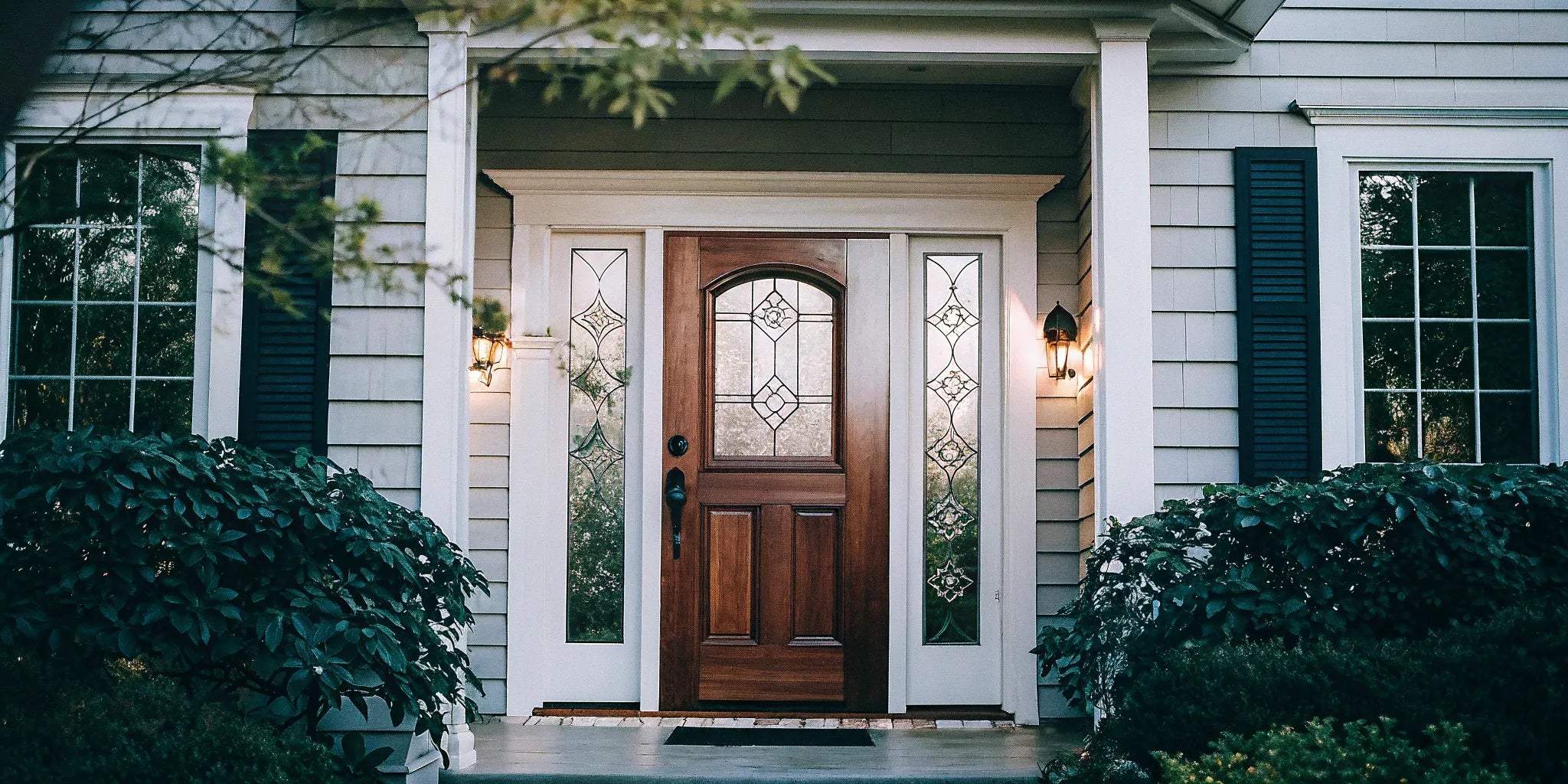
Let's start with the basics. Sidelights are the tall, narrow windows installed on one or both sides of an entry door. Think of them as the door's stylish companions. While they look fantastic, they do more than just frame your entrance. They create a brighter, more welcoming entryway and can completely change the feel of your home's facade. By adding glass panels, you’re not just installing a door; you're designing a complete entryway system that balances light, style, and function. This combination is what makes a front door with two sidelights such a popular and impactful choice for homeowners and builders alike.
Discover the Practical Perks of Sidelights
One of the biggest benefits of sidelights is the flood of natural light they bring into your foyer. A dark entryway can feel cramped and unwelcoming, but sidelights instantly make the space feel brighter and more open. This extra light can also help you cut down on electricity use during the day. Beyond aesthetics, sidelights offer a practical security advantage by giving you a clear view of who’s outside without having to open the door. When paired with strong and secure steel doors, you get an entryway that is both beautiful and safe.
A Wider, Safer View Than a Peephole
While a peephole offers a narrow, distorted glimpse of the outside world, sidelights provide a full, clear view of your front porch. This wider perspective is a significant upgrade for home security and convenience. You can easily see who is at the door, check for packages, or glance outside without having to open the door first. As TCSiding Professionals notes, this is especially helpful for children or anyone who might have trouble reaching a standard peephole. It gives everyone in the home a safer way to see visitors. When you pair this visibility with a strong door, you create an entryway that offers peace of mind without sacrificing style.
Matching Your Home's Window Style for a Cohesive Look
Your front door doesn't exist in a vacuum—it's a key part of your home's overall architectural story. Sidelights are the perfect tool for creating a unified and polished look. You can customize them to mirror the style of your home's other windows, whether that means matching the grid patterns, frame color, or glass type. This attention to detail ensures your entryway feels intentional and harmonious with the rest of the facade. For instance, pairing a modern steel door with sleek, matching steel windows creates a powerful, cohesive aesthetic that instantly elevates your home's curb appeal.
How Sidelights Instantly Improve Curb Appeal
Your front door is the centerpiece of your home's exterior, and it sets the tone for everything inside. Adding sidelights creates a grander, more balanced, and visually impressive entrance that significantly boosts curb appeal. This isn't just about making a great first impression on guests; a thoughtfully designed entryway can also increase your home's perceived value. A beautiful and functional front door system is a smart investment that pays off every time you—or a potential buyer—walk up to your home. It’s a feature that signals quality and attention to detail from the very first glance.
Single Door with Sidelights vs. Double Doors
Choosing between a single door with sidelights and a set of double doors is a common crossroads for homeowners. Both options create a stunning entryway, but they offer different functional and aesthetic benefits. Your decision will likely come down to the architectural style of your home, the size of your entryway, and your personal priorities. One option emphasizes a grand, symmetrical statement, while the other focuses on creating a bright, welcoming foyer. Let's break down the key advantages of each to help you decide which configuration is the perfect fit for your home.
The Case for Double Doors
There’s no denying the impressive statement that double doors make. They create a sense of grandeur and symmetry that can dramatically enhance your home's facade, especially on larger homes with wide entryways. Beyond their commanding presence, double doors offer a significant practical advantage: a much wider opening. This makes moving large items like furniture, appliances, or even a Christmas tree in and out of your home incredibly easy. If functionality and a bold, luxurious look are at the top of your list, a set of 60x96 Double Steel Doors can provide that perfect blend of form and function.
Why a Single Door with Sidelights Might Be Better
A single door flanked by sidelights offers a classic, elegant look that suits a wide range of architectural styles, from traditional to contemporary. The primary benefit here is the abundance of natural light. Sidelights can transform a dark, narrow foyer into a bright and inviting space, making your home feel more open and welcoming from the moment someone steps inside. This configuration also enhances curb appeal by creating a balanced and sophisticated entryway. For many, a single door with sidelights strikes the perfect balance, offering a custom look and enhanced visibility without the structural requirements of a full double door system.
Find Your Style: Popular Combos for a Door with Sidelights
Your front door is the focal point of your home’s exterior, and adding sidelights is a fantastic way to make a statement. The right combination can completely transform your entryway, reflecting your personal taste and setting the tone for the rest of your home. Whether you lean toward clean modern lines, cozy traditional vibes, or something in between, there’s a perfect pairing out there for you. Let’s explore a few popular styles to help you find the one that feels like home.
Go Modern with Sleek Steel and Glass
If you love clean lines and a minimalist aesthetic, a modern steel door with glass sidelights is a perfect choice. This style is all about simplicity and sophistication. Think large, uninterrupted glass panels that flood your entryway with natural light, framed by the slim profile of steel. The inherent strength of steel doors allows for expansive glass inserts without compromising security. You can choose from clear glass for an open feel or opt for frosted or tinted glass to maintain privacy while still enjoying a bright entrance. This look pairs beautifully with contemporary architecture, creating a seamless and polished first impression.
Create a Welcoming Vibe with Rustic Styles
For a classic, inviting entrance, you can’t go wrong with a traditional design. This style often features doors with raised panels, decorative glass, and rich finishes that mimic the warmth of wood. A grand 60x80 Double Steel Door flanked by two sidelights creates a timeless and stately look that feels both welcoming and impressive. The beauty of using steel is achieving this classic aesthetic with added durability and minimal maintenance. Sidelights with grilles or intricate patterns can further enhance the traditional charm, making your entryway a warm and welcoming focal point.
Keep it Classic with Minimalist Designs
Transitional style strikes a beautiful balance between modern and traditional, making it one of the most versatile options for any home. This look is clean and uncluttered but still feels warm and inviting. A simple single door with one or two clear glass sidelights is a hallmark of this design. The focus is on balanced proportions and timeless appeal, not ornate details. This understated elegance ensures your entryway won’t look dated in a few years. To create a cohesive exterior, coordinate your door with matching steel windows for a classic, sophisticated facade that stands the test of time.
Embrace Character with Craftsman and Farmhouse Styles
If your style leans toward cozy and authentic, Craftsman or Farmhouse designs are a perfect fit. These styles are all about creating a warm, welcoming feel with handcrafted character. Think doors with detailed paneling, divided-light glass in the sidelights, and finishes that have the rich appearance of natural wood. You can achieve this classic look without sacrificing durability by choosing a high-quality steel door designed to mimic traditional materials. A stately double door, like a 60x80 configuration, framed by two sidelights, makes a beautiful and inviting statement that perfectly captures that timeless, homey charm while offering modern performance and security.
Add Elegance with Decorative Wrought Iron
For an entryway that exudes timeless sophistication, consider incorporating decorative wrought iron. Intricate iron grilles overlaid on the glass of your door and sidelights add a layer of artistry and elegance that feels both classic and secure. This style is perfect for creating a grand, impressive entrance with a touch of old-world charm. The combination of delicate scrollwork with the formidable strength of a steel frame creates a beautiful contrast. It’s a fantastic way to enhance your home's security without compromising on style, giving you a clear view outside while adding a protective and beautiful barrier.
How to Choose the Right Entry Door Material
The material you choose for your front door and sidelights is a huge part of the equation. It’s not just about aesthetics; it’s about durability, maintenance, security, and how your door will perform for years to come. Each material has its own personality and set of benefits, so the right choice really depends on your priorities, climate, and how much time you want to spend on upkeep. The main contenders in the ring are steel, fiberglass, and wood. Steel is the heavyweight champion of security, fiberglass is the versatile all-rounder, and wood is the classic beauty.
When you're making your decision, think about what matters most to you. Is top-tier security your number one concern? Do you live in an area with harsh weather, where resistance to warping and cracking is essential? Or are you dreaming of a specific custom look that only natural materials can provide? Your budget will also play a role, as prices can vary significantly between materials. Understanding the key differences will help you invest in an entryway that you’ll love looking at—and that will protect your home—for the long haul. Let's walk through what each one offers so you can make a confident choice.
Steel: The Top Choice for Security and Strength
When security and durability are at the top of your list, steel is the undisputed winner. Steel doors are incredibly strong, making them a formidable barrier against intruders and tough weather. They won't crack or warp, and their resilience makes them a fantastic long-term investment. On top of being tough, they are surprisingly low-maintenance—no need for regular staining or painting unless you decide to change the color. With a typical price range of $600 to $4,000, steel offers premium protection without necessarily breaking the bank, giving you serious peace of mind.
Fiberglass: The Low-Maintenance All-Rounder
If you want the best of both worlds, fiberglass is an excellent choice. These doors are the chameleons of the entryway world—they can be designed with a smooth finish for a modern look or a textured grain that convincingly mimics the appearance of real wood. The best part? You get that beautiful aesthetic without the demanding upkeep. Fiberglass is resistant to dents, rust, and rot, and it holds up well in extreme temperatures. It's also a great insulator, which can help with your home's energy efficiency. Priced between $800 and $4,000, fiberglass doors offer a practical, stylish, and low-maintenance solution for almost any home.
Wood: For Timeless Beauty and Natural Charm
There’s something undeniably warm and inviting about a solid wood door. It offers a classic, high-end look that can be customized with intricate carvings, unique finishes, and rich stains. If you have a historic home or simply love the authentic charm of natural materials, wood is a beautiful option. However, that beauty comes with a bit of homework. Wood doors require regular maintenance, like sealing or repainting, to protect them from moisture and prevent warping or cracking. They also tend to be at the higher end of the price spectrum, typically ranging from $1,500 to $5,000. For those willing to invest in the upkeep, a wood door is a timeless statement piece.
Popular Wood Choices: Mahogany and Knotty Alder
If you've set your heart on wood, two choices you'll see everywhere are Mahogany and Knotty Alder. Think of Mahogany as the classic choice for a sophisticated, high-end entrance. Its deep, rich grain creates an undeniably warm and inviting feel, and it takes a stain beautifully, which gives you a lot of flexibility with the final finish. It’s also the perfect canvas for detailed carvings if you’re aiming for a truly grand, traditional look. Knotty Alder, on the other hand, is all about rustic charm and character. The natural knots and grain variations make each door completely unique—a true one-of-a-kind piece for your home. It’s a fantastic option if you want to create that cozy, welcoming vibe that’s perfect for farmhouse or traditional styles. Both options are stunning, but it's important to remember they are natural materials that require consistent upkeep to protect them from the elements and keep them looking their best.
Get the Details Right: Color, Glass, and Hardware
Once you’ve settled on a style and material for your new front door, it’s time for the fun part: choosing the details that will bring your vision to life. The right combination of color, glass, and hardware can transform a standard entryway into a stunning focal point that reflects your personal style. These finishing touches are what create a cohesive, polished look and make your front door uniquely yours.
Think of the door as your canvas. The color sets the mood, the glass balances light and privacy, and the hardware adds that final touch of character. Each element plays a crucial role in the overall design and functionality of your entryway. Getting these details right is what separates a nice door from a truly memorable one. It’s how you ensure your entryway feels intentional and connected to the rest of your home’s architecture. Whether you’re aiming for a bold, modern statement or a subtle, classic feel, paying attention to these details ensures your new steel door not only looks fantastic but also meets all your practical needs. Let’s walk through how to make the best choices for your home, so you can feel confident in every decision.
How to Pick a Paint Color for Your Front Door
Choosing a paint color can feel overwhelming, but a good rule of thumb is to coordinate with your home's existing exterior elements. Look at your siding, trim, and roof color for inspiration. Do you want a color that pops or one that blends in seamlessly? A bold red or deep blue can create a dramatic and welcoming entrance, while classic black or white offers timeless elegance. For a cohesive look, most design experts recommend painting the door and its sidelights the same color. This creates a unified, intentional design that makes the entire entryway feel larger and more integrated.
Choosing Your Glass: Privacy vs. Light
Glass sidelights are fantastic for flooding your entryway with natural light, but it’s important to choose a style that fits your privacy needs. Clear glass offers an unobstructed view and lets in the maximum amount of light, making it a great choice if your home is set back from the street. If you need more privacy, frosted or textured glass is an excellent alternative. These options diffuse light beautifully, brightening your foyer without giving passersby a clear view inside. You can also find decorative glass with intricate patterns that add an artistic touch while obscuring the view.
Energy-Efficient Glass: Low-E and Insulated Options
Beyond privacy, the type of glass you choose plays a big role in your home's energy efficiency. Look for options like Low-E (low-emissivity) glass, which has an invisible coating that reflects heat. In the summer, it helps keep the hot sun out, and in the winter, it keeps your home's warmth in. This simple feature can make a noticeable difference in your heating and cooling bills. Many modern doors also use insulated glass, which typically means two panes of glass are sealed together with a layer of insulating gas in between. This creates a powerful thermal barrier, reducing heat transfer and making your entryway more comfortable all year long.
Authentic Details: True Divided Lite (TDL) Glass
If you appreciate fine craftsmanship and historical accuracy, you might want to consider True Divided Lite (TDL) glass. This isn't just a grid pattern placed over a single sheet of glass. Instead, TDL construction uses individual panes of glass that are separated by actual material strips, called muntins. This method creates an authentic, classic look that adds incredible character and depth to your entryway. While many modern doors use simulated grilles for a similar effect, TDL is the real deal, often found in high-end custom homes. Choosing this detail for your steel door signals a commitment to quality and timeless architectural style.
Selecting Hardware That Completes the Look
Hardware is the jewelry of your front door—it’s a small detail that makes a big impact. The finish you choose for your handleset, lock, and hinges should complement both the door color and other exterior metals, like your lighting fixtures or house numbers. Matte black offers a modern touch, while brushed nickel or bronze can feel more traditional. Beyond aesthetics, remember that proper installation is key to security and performance. Having a professional install your door and sidelights ensures a secure fit, a proper seal against drafts, and smooth, reliable operation for years to come.
Technical Details to Know Before You Buy
Choosing the Right Door Handing
One of the first questions you'll encounter when ordering a door is about its "handing." This simply refers to which way the door swings open—to the left or to the right. It might seem like a small detail, but it’s crucial for the flow and functionality of your entryway. To figure it out, stand outside facing where your door will be. If you want the hinges on the left and the door to swing inward, you need a left-hand inswing. If you want the hinges on the right for an inward swing, you need a right-hand inswing. Choosing the correct handing ensures your door doesn't open into a wall, block a hallway, or feel awkward to use every day. Getting this right from the start is key to a smooth installation and a functional entrance.
Understanding Frames and Hardware Prep
Your new door will arrive as part of a system, which includes the frame it sits in. These frames are typically made from strong composite materials to ensure they are weather-tight and durable. It's important to know that while the door slab and frame are ready for installation, they are usually "prepped" for hardware, meaning the holes for the doorknob and lock are pre-drilled, but the hardware itself isn't included. This gives you the freedom to choose a handleset that perfectly matches your style. Finally, while it might be tempting to DIY, professional installation is highly recommended. An expert will ensure your steel door is perfectly hung, secure, and sealed against the elements, guaranteeing it operates smoothly for years.
What's the Real Cost of a New Entry Door?
Okay, let's get real about the numbers. A new front door is an exciting upgrade, but you need a clear picture of the costs before you start picking out paint colors. The final price isn't just about the door itself; it's a combination of the materials you choose, the complexity of the installation, and the long-term value it adds to your home. Thinking about these factors upfront will help you set a realistic budget and make a choice you’ll be happy with for years to come.
Understanding How Material and Style Affect Price
The biggest variables in your door's price tag are its material, size, and style. A standard-sized door will naturally cost less than a grand, oversized one. Similarly, a simple, solid door is more budget-friendly than one with intricate glass panels or custom sidelights. For example, a basic door with sidelights might start around $1,500, while a more elaborate, custom design could easily exceed $5,000. High-quality materials like the steel doors we offer provide incredible durability and security, which is reflected in their cost compared to lower-grade options. The hardware you select—from the handle to the locks—also plays a role in the final price.
Typical Price Range for a Complete Door Unit
When you’re budgeting for a complete unit—which includes the door, frame, and sidelights—the price can vary significantly. For a quality, standard-sized system, you can expect the cost to start around $1,500. This gets you a solid, well-made door that looks great and performs well. As you start exploring more customized options, such as decorative glass, larger sizes like a 60x80 double steel door, or premium hardware, the price can increase, often landing in the $4,000 to $8,000 range. While it’s a significant purchase, it’s helpful to view it as a long-term investment in your home’s curb appeal, security, and energy efficiency.
Remember to Factor in Installation and Long-Term Savings
Don't forget to budget for professional installation. While it might be tempting to DIY, a proper installation is crucial for security, weatherproofing, and smooth operation. An improperly installed door can lead to drafts, water leaks, or alignment issues that are costly to fix later. Think of it as insurance for your investment. On that note, a new door can actually save you money over time. Modern, energy-efficient doors are designed with better insulation and tighter seals, which helps reduce your heating and cooling bills. That slightly higher upfront cost for a well-made door often pays for itself through lower energy consumption.
Is a New Entry Door a Good Investment?
A new front door is more than just an expense; it's an investment in your home's value. It’s one of the first things people notice, and a beautiful, secure entryway significantly boosts curb appeal, which can make a real difference if you ever decide to sell. In fact, replacing an entry door consistently ranks as one of the home improvement projects with the highest return on investment. By choosing a durable and stylish door, you’re not just upgrading your home for today—you’re adding lasting value that enhances its look, security, and energy efficiency for many years. It’s a smart move that pays off in both daily enjoyment and long-term equity.
3 Common Mistakes to Avoid When Choosing a Front Door
Choosing a new front door is exciting, but a few common missteps can keep it from looking its best. A beautiful door can lose its impact if it’s the wrong size, doesn’t fit your lifestyle, or isn’t installed correctly. Let’s walk through what to avoid so you can feel confident in your decision and love your new entryway for years to come. Thinking through these points ahead of time saves you from headaches and ensures your investment pays off.
Mistake #1: Getting the Size and Scale Wrong
One of the biggest mistakes is choosing a door that’s out of proportion with your home’s facade. A door with sidelights makes a statement, but if it’s too large, it can overwhelm the space; too small, and it might look underwhelming. Before you shop, measure your rough opening carefully to create a balanced look that complements your home’s architecture. For a grand entrance, a substantial 60x96 double steel door creates a stunning focal point, while a more modest home might be better suited to a single door with slimmer sidelights.
Standard Door Sizes and Configurations
To get the scale right, it helps to know the standard sizes. Most entry doors come in common widths like 30, 32, and 36 inches, with standard heights of 80 or 96 inches. For instance, a popular and well-proportioned setup is a 36x80 single steel door paired with two 12-inch sidelights. This configuration creates a total entryway width of 60 inches, giving you the grand appearance of a double door system without needing the same structural opening. Understanding these dimensions helps you choose a standard steel door that fits your space perfectly and creates a balanced, intentional look for your home's facade.
Mistake #2: Not Balancing Light, Privacy, and Security
Sidelights are fantastic for flooding your foyer with natural light, but all that glass can sometimes feel like it compromises your privacy. It’s all about finding the right balance. You don’t have to choose between light and privacy—consider using frosted, reeded, or decorative glass that obscures the view while still letting the sunshine in. When it comes to security, a high-quality steel door provides an excellent foundation, but be sure the glass in your sidelights is just as tough and properly installed.
Mistake #3: Choosing DIY Over Professional Installation
While a DIY project can be satisfying, installing an entry door with sidelights is a job best left to the professionals. These units are heavy and require precise alignment to function correctly. A poor installation can lead to problems like drafts, water leaks, or a door that doesn’t lock securely. Hiring an experienced installer ensures a perfect fit, a weather-tight seal, and proper operation. Think of it as an investment in your home’s security and energy efficiency—it’s worth the peace of mind knowing the job was done right.
How to Keep Your New Door Looking Great
You’ve invested in a beautiful new front door, and keeping it looking its best is easier than you think. A little routine care goes a long way in preserving your door’s beauty, security, and energy efficiency. Think of it as a quick check-up a few times a year. By paying attention to the finish, seals, and hardware, you can prevent small issues from turning into bigger problems and ensure your entryway remains as welcoming as the day it was installed.
Simple Cleaning Tips for Any Door Material
Regardless of the material, a gentle cleaning every few months will keep your door looking fresh. For durable materials like modern steel doors, a simple solution of mild soap and water is all you need. Use a soft cloth to wipe away dust and grime, then rinse and dry thoroughly to prevent water spots. Avoid harsh chemicals or abrasive scrubbers, as they can damage the finish. For wood doors, inspect the paint or stain regularly. If you notice any cracking, touch it up promptly to protect the wood from moisture.
How and When to Check Seals and Weatherstripping
Your door’s weatherstripping is the unsung hero of your home’s energy efficiency, creating a tight seal that keeps drafts out. Twice a year, visually inspect the seals around your door and sidelights for cracks or damage. A simple test is to close the door on a piece of paper; if you can pull it out easily, your seal might be weak. Replacing worn weatherstripping is a simple, low-cost project that makes a noticeable difference in your home’s comfort and energy bills.
Your Quick Hardware and Security Checklist
Your door’s hardware is essential for smooth operation and security. Periodically check that all screws on hinges, handles, and locksets are tight. If a hinge squeaks, a quick spray of silicone-based lubricant will solve it. Test your lock and deadbolt to ensure they engage smoothly without sticking. A properly installed door should lock with ease; if you have to force it, the alignment might be off. Ensuring your door hardware is in top shape is a key part of home security and gives you peace of mind.