

How Much Does a Wide Plank Floor Really Cost?

The cost of a wide plank floor starts with the selected product and the quantity you must purchase, then adds preparation, installation, finishing details and delivery. A price per square foot is useful, but it is not the same as the complete installed cost.
This guide shows how to build a project estimate and compare quotes. Browse our hardwood flooring collection for current product pricing, and request a written quote for your selection and project scope.
1. Define the flooring specification
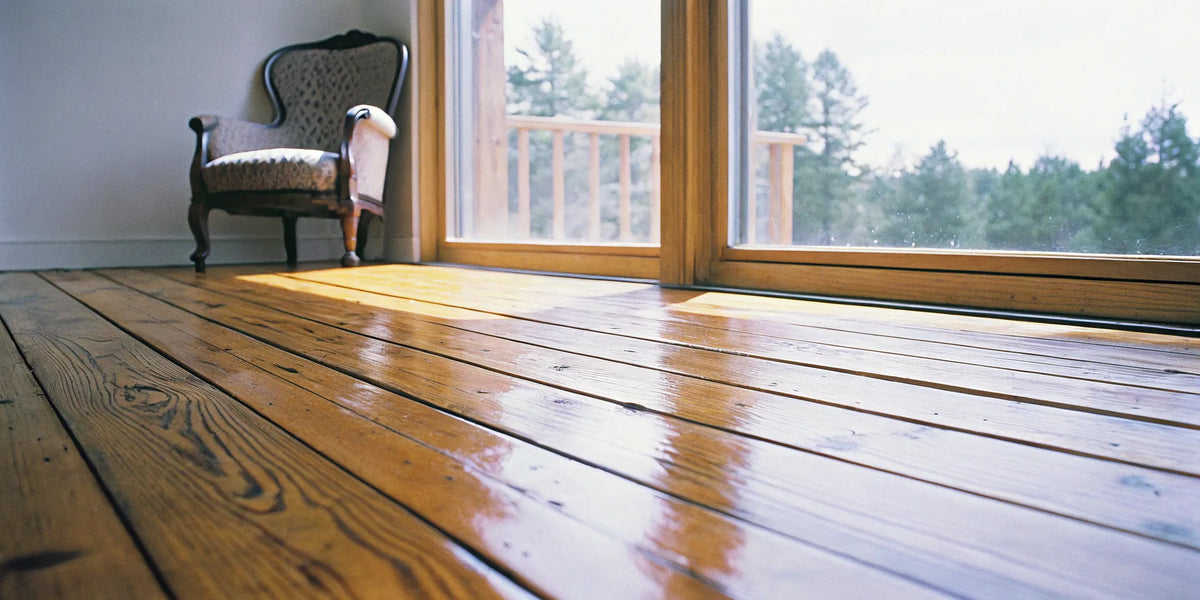
Compare products by species, construction, width, thickness, length distribution, grade and finish. Record the exact product and color code. Two floors described as wide plank oak may differ in several of these details, so a price comparison based on the name alone can be misleading.
For engineered flooring, request the core and wear-layer specifications. For solid or engineered products, have your installer confirm suitability for the room, subfloor and proposed installation method. Do not assume engineered flooring is always less expensive or that width alone determines quality.
Review a flooring sample before committing to the full order. Ask how much color and character variation to expect beyond the sample piece.
2. Calculate the purchased quantity
Measure the areas being covered and have the installer review the layout. Include a project-specific allowance for cuts, selection and spare boards. A straight layout and a more complex pattern may require different quantities; avoid applying one waste percentage to every project.
Check whether the product is sold by carton and confirm coverage per carton. Divide the required coverage by that carton coverage, then round up to whole cartons. Use the purchased area or carton count when estimating the material bill.
3. Work through a sample calculation
Illustration only—not a USA Builders Depot quote: suppose the measured area is 600 square feet and the installer selects a 10% allowance for this example. Required coverage becomes 660 square feet. If each carton covers 24 square feet, 660 ÷ 24 = 27.5, so the order requires 28 cartons, covering 672 square feet.
At an assumed price of $144 per carton, the flooring material subtotal would be 28 × $144 = $4,032. That is equivalent to $6 per purchased square foot. Preparation, installation, accessories, delivery and applicable tax are additional. Replace every example input with the actual product and project figures.
4. Budget for removal and subfloor preparation
Ask the installer to inspect the site before finalizing labor costs. Request separate line items for removing existing flooring, disposal, subfloor assessment and any repairs or flattening needed to meet the selected product's instructions.
Confirm the required moisture checks and environmental conditions before installation. Conditioning should follow the manufacturer's criteria rather than a universal “72 hours in the room” rule. Ask what must be completed before delivery and what findings could change the quote.
If preparation cannot be fully assessed until the old floor is removed, agree how additional work will be documented, priced and approved. Keep that potential cost separate from the known installation scope.
5. Include installation and finishing
Confirm the approved attachment method for the exact flooring and substrate. List specified adhesive, fasteners, underlayment or other components in the quote. Do not assume every engineered floor can float or every wide plank requires the same glue-assist method.
For unfinished flooring, include the complete on-site finishing scope and the schedule for returning furniture and rugs. For factory-finished flooring, verify what touch-up or finishing work, if any, is included. Compare written finish systems rather than assuming an oil-based or water-based product is always cheaper or more durable.
6. Account for trim, delivery and practical details
List transitions, reducers, stair components, skirting work and changes at adjoining surfaces. Check finish compatibility and availability before ordering. Include any necessary door adjustments, furniture moving and appliance handling in the scope.
Confirm delivery charges, unloading arrangements and storage requirements. Ask whether the quoted total includes applicable taxes. Review the installation schedule alongside product availability so the budget accounts for the complete sequence of work.
7. Compare complete quotes
Give each installer the same product details and measured scope. Compare the quantities, preparation allowance, installation method, included components, finishing, disposal and exclusions. Ask for clarification when one quote omits a line item another includes.
Review current warranty and return terms before purchase, including how unused cartons are handled. Keep the approved quote, product documents and finish details for future maintenance. For a broader overview of cost drivers, see our wide plank flooring budget guide.
Frequently asked questions
Is the listed square-foot price my installed cost?
Check the listing and quote. Flooring material pricing should be kept separate from installation and other project costs unless the proposal explicitly includes them.
Should I order exactly the measured floor area?
Have your installer calculate the allowance and carton rounding for your actual layout before ordering.
Will a wider board always cost more?
Compare the exact products and specifications. Width is one selection detail alongside construction, species, finish and other characteristics.
Contact USA Builders Depot with your measured area, preferred flooring and installation location to request a current material quote. Showroom visits are by appointment only.