
WPC Wall Panel Benefits Every Homeowner Should Know

If you’re looking for a way to give your walls a new look, you’ve probably heard of WPC panels. Knowing the WPC wall panel benefits will help you decide if they’re right for your upcoming project.
WPC is short for Wood-Plastic Composite. This material is made from a mixture of wood fibres and polymer resins, which makes it behave differently from regular wood.
Now, let’s get to know the real benefits of WPC wall panels that are really important to homeowners.
What Is a WPC Wall Panel?
A WPC wall panel is made from wood chips and plastic components, which are then moulded into panels with a wood-grain-like surface texture.
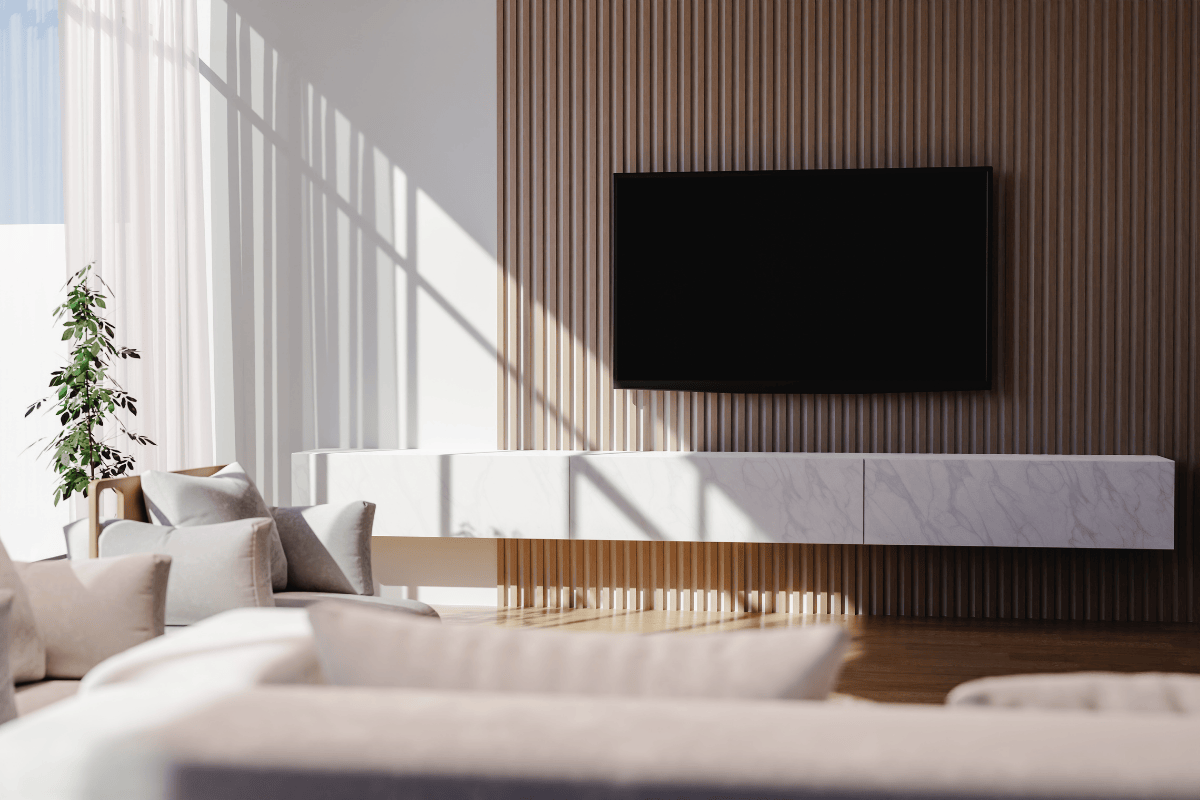
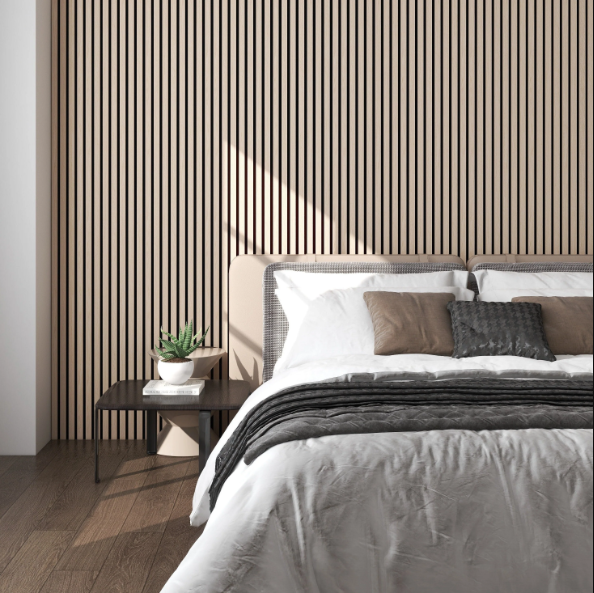
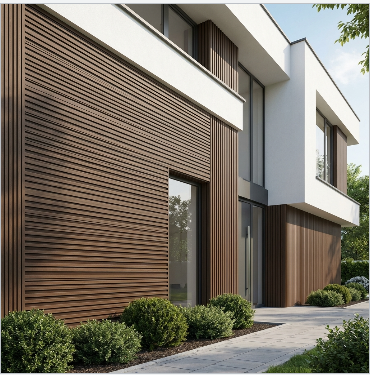
What makes this material unique is that it has all the properties of wood, but also has the added strength and resilience. WPC panels are usually available in grooved slats and matching corner trim.

Top WPC Wall Panel Benefits
1. Moisture Resistance
One of the main WPC wall panel benefits over solid wood is their high moisture and damp resistance. It is ideal for use in kitchens, bathrooms, basements, and other areas where humidity fluctuates throughout the day.
2. Low Maintenance
Unlike natural wood, which requires regular sealing and refinishing, WPC wall panels only require regular wiping with a damp cloth. This is one of the most popular advantages of WPC wall panels among busy families who prefer a low-maintenance design.
3. Consistent Appearance
Since WPC wall panel products are not made from natural wood but manufactured in a factory, the colour and wood grain structure of each panel are uniform. This makes it easy to complete a large installation project without issues with colour matching across different panels.
4. Durability
The WPC wall panel benefits also include resistance to warping, cracking, insect infestation, and other factors that can damage natural wood over time.
5. Easier Installation
The majority of WPC wall panel systems feature tongue-and-groove edges or clip systems. Installation is easier than with raw wood boards, which require extra effort like cutting, sanding, and painting.
6. Budget-Friendly Pricing
Compared with other products made from natural veneers or solid woods, WPC wall panels are relatively inexpensive. It means you can create your desired wood-like design on a larger scale at a lower cost than solid wood products require.
7. Wide Range of Finishes
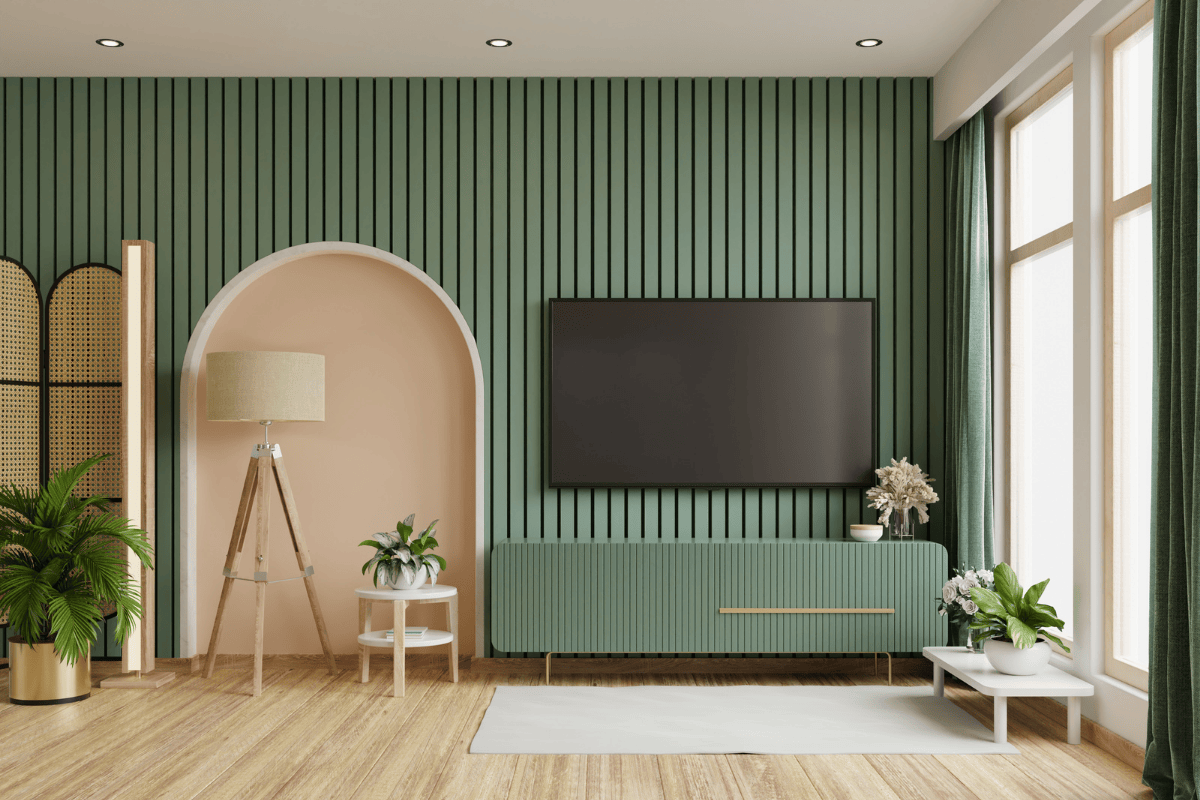
WPC wall panels come in a range of finishes, including black ebony, walnut, natural grey, and retro red. That allows you to match your WPC wall panel to any interior design.
Where WPC Wall Panels Work Best
Due to all the advantages mentioned above, WPC panels will be most suitable for the following uses:
-
Kitchen – resistance to moisture caused by cooking and washing.
-
Bathroom – resistance to moisture compared to regular wood.
-
Basement – resistance to moisture changes.
-
Living room and bedroom – warm environments and easy maintenance.
-
Home office – professional appearance and ease of maintenance.
Comparing WPC to Other Wall Panel Materials
WPC vs. Solid Wood
Solid wood offers unparalleled naturalness, although it is more expensive, heavier and requires more maintenance. In such cases, the advantages of WPC wall panels come into play: they look like solid wood, require less maintenance, and are better protected from moisture.
WPC vs. Natural Veneered Panels
A thin layer of natural wood makes natural veneered panels look like premium materials, although they are more expensive. If money or maintenance is more important than the appearance of real wood grain, WPC wall panels may be a good choice.
WPC vs. MDF
MDF panels have a beautiful, smooth surface and can be easily painted, but their performance is weak in humid environments. Here you can see the advantages of WPC wall panels, which do not swell due to moisture.
Installation and Care Tips
To ensure proper installation of your WPC wall panels, consider the following guidelines:
Adapting the panels to the environment: Allow at least 24 hours for the panels to acclimate to your room conditions before installation.
Cleaning with a damp cloth: Use a mild soap, if necessary, but avoid abrasives that may scratch the surface.
Suitable clips/trims: Designed specifically for your WPC wall panels.
Space for expansion: If your room conditions are unstable, leave a gap as recommended by the manufacturer.
Cost Expectations
WPC wall panels are generally considered an affordable alternative to wood veneered panels and have a look and feel similar to wood, making it possible to renovate an entire accent wall or large spaces like a corridor without going beyond financial constraints.
Frequently Asked Questions
Are WPC wall panel products water-resistant?
Yes, WPC wall panels offer many advantages, including high moisture resistance, making them suitable for use in wet environments such as bathrooms, kitchens, and basements.
Is a WPC wall panel more affordable than solid wood?
Generally yes. The affordability of WPC wall panels makes them a viable alternative to solid wood or natural veneer panels, while still maintaining the look and feel of wood.
How long does a WPC wall panel typically last?
If installed properly and adequately maintained, WPC wall panels will not warp, crack, or be protected from insect attack for many years to come.
Can I install a WPC wall panel myself?
Clip-based or tongue-and-groove WPC wall panels offer the convenience of self-installation.
It is worth noting that the features discussed about the WPC wall panel benefits, such as moisture resistance, minimal maintenance, durability, and affordability, make this product ideal for those who want the beauty of wood but want to avoid the hassle of additional maintenance.
If you are looking for something for your kitchen, bathroom, or any room in the house, WPC is ideal.