
3D Wall Panel 101: A Complete Buyer's Guide

That plain wall in your living room is begging for an upgrade. You know it needs more than just paint—it needs texture, depth, and something that makes a real statement. A 3D wall panel is the perfect high-impact solution to completely transform your space. But when you decide to buy 3d wall panels online, the sheer number of materials, styles, and suppliers can feel overwhelming. This guide is here to cut through the noise. We’ll walk through what to look for in a quality panel and how to find the best retailers for your project.
Key Takeaways
- Match the Material to the Room's Function: Before settling on a style, think about where the panels will go. Choose moisture-resistant materials like WPC for bathrooms, consider acoustic panels for home theaters, and always check the product specs to ensure your choice can handle the environment.
- Look Beyond the Sticker Price for the Best Value: The cheapest option isn't always the smartest. Calculate the total project cost by comparing the price per square foot, factoring in shipping fees, and looking for trade programs or bulk discounts to get the best overall deal.
- Use Customer Reviews to Vet Both the Product and the Seller: Go past the star ratings to find real-world feedback on installation ease, color consistency, and durability. Pay attention to how the company handles shipping issues or returns to gauge their customer service quality before you buy.
Where to Buy 3D Wall Panels Online: My Top Picks
Once you have an idea of the style and material you want, the next big step is finding the right place to buy your panels. The online market is packed with options, from massive marketplaces to specialty suppliers, and each offers a different experience. Some sites are great for browsing endless styles and reading thousands of customer reviews, while others cater to professionals who need high-quality, durable materials and offer trade discounts.
Choosing the right retailer can make all the difference in your project’s success. A good supplier provides clear product specifications, transparent pricing, and reliable shipping. They stand behind their products and offer the support you need if something goes wrong. To help you find the perfect match for your project, I’ve rounded up the best places to buy 3D wall panels online, highlighting what makes each one stand out. Whether you’re a homeowner tackling a weekend DIY or a contractor sourcing for a large-scale project, there’s a supplier on this list for you.
USA Builders Depot
If you’re looking for high-performance panels that blend style with function, USA Builders Depot is a top contender. They specialize in premium building materials, and their selection of wall panels is curated for both aesthetics and durability. Their offerings go beyond just looking good; options like the Interior WPC Fluted Slat Wall Panels are designed to improve a room's acoustics and withstand daily wear and tear. This makes them an excellent choice for high-traffic areas in homes or commercial spaces. As a direct supplier, they are a go-to for contractors and homeowners who want professional-grade materials without the middleman.
Amazon
For sheer variety and volume, it’s hard to beat Amazon. You can find thousands of 3D wall panels from countless brands, all in one place. This is the perfect starting point if you want to explore a wide range of materials, patterns, and price points. One of the biggest advantages is the wealth of customer reviews and photos, which give you real-world insight into how the panels look and hold up. Amazon’s regularly updated Best Sellers list is a great tool for seeing what’s currently popular and well-regarded by other shoppers, helping you quickly identify trusted products.
Art3d
Art3d is a fantastic resource for the DIY enthusiast. The company focuses on creating decorative products that are easy for anyone to install, helping you transform a space without needing to hire a professional. Their collection includes a wide variety of 3D wall panels, peel-and-stick backsplashes, and other innovative decor items. If your goal is a quick and impactful room makeover, Art3d’s user-friendly designs are a great fit. Their products are engineered to be lightweight and straightforward to handle, making them ideal for weekend projects that deliver a high-end look with minimal fuss.
Ethan's Walls
If you're searching for something unique that truly makes a statement, check out Ethan's Walls. They offer a curated collection of 3D wall panels with intricate, eye-catching designs that you might not find on larger sites. Many of their panels are made from a lightweight yet durable plastic called thermoformed PVC, which allows for sharp details and a clean finish. This is a great option for creating a sophisticated feature wall in a living room, bedroom, or office. Their focus on distinct patterns makes them a go-to for designers and homeowners looking to add a touch of architectural artistry to a space.
Wayfair
Wayfair is a home goods giant, and its massive inventory includes a huge selection of 3D wall panels. If you love having tons of options, this is the place for you. Wayfair’s powerful on-site search filters make it easy to narrow down your choices by material, color, price, and customer rating, so you can quickly find panels that fit your vision and budget. It’s also a great place to hunt for deals, as they frequently run sales and promotions. Because they carry products from so many different brands, you can easily compare styles side-by-side to find the perfect decorative panels for your project.
Home Depot
For those who value trust and convenience, Home Depot is a reliable choice. You can shop online and have panels shipped directly to you, or opt for in-store pickup to get your project started even faster. They carry a variety of brands, including popular ones like Art3d, and customer reviews on their site often praise the products for their quality and straightforward installation. Buying from a well-known retailer like Home Depot also provides peace of mind, as you know you have access to a reliable customer service team and a clear return policy if any issues arise.
What Are 3D Wall Panels (And Why Should You Care)?
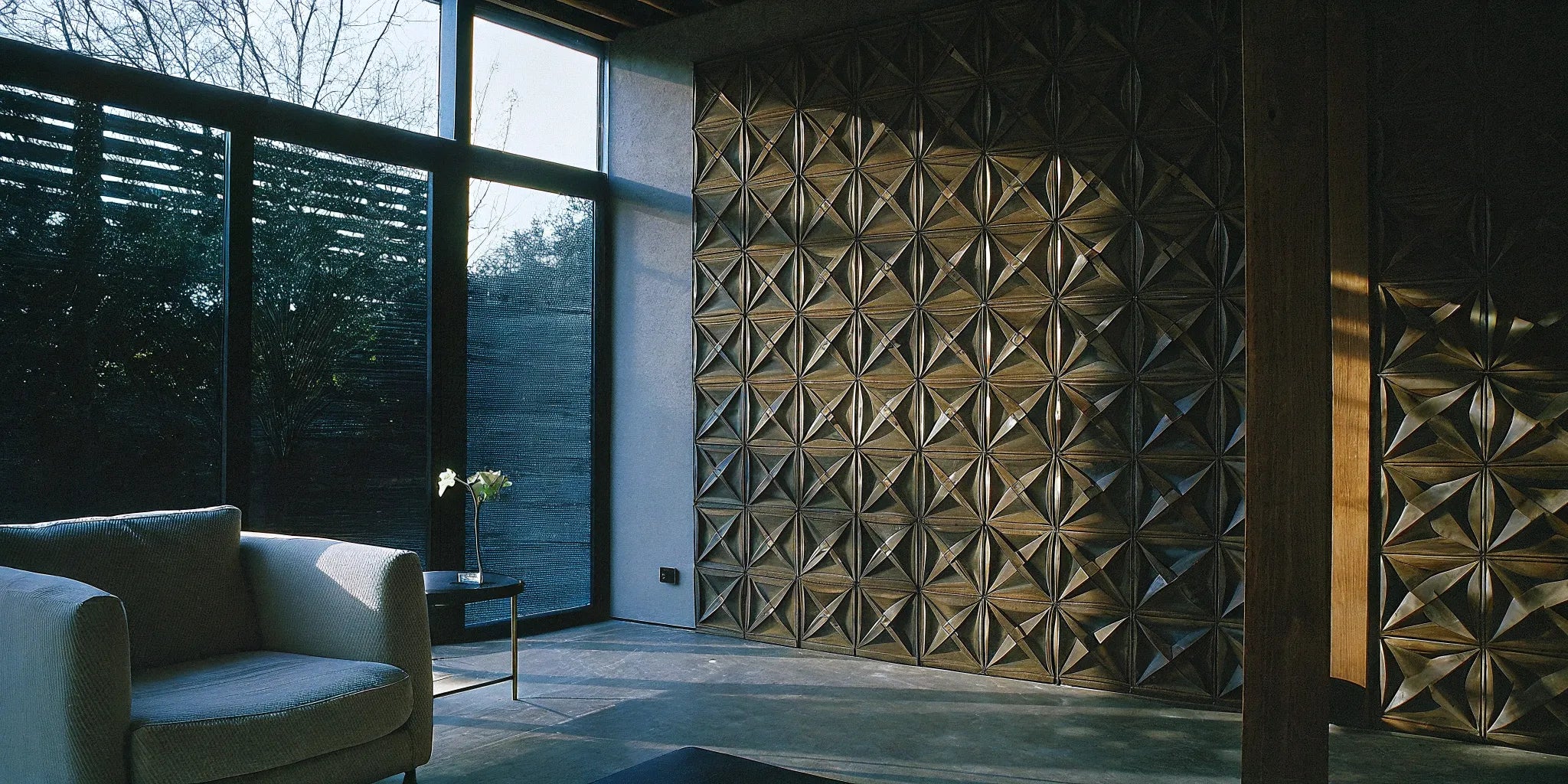
If you’ve ever looked at a plain, flat wall and felt like it was missing something, 3D wall panels might be the answer you’re looking for. Simply put, they are decorative panels with textured, three-dimensional patterns that you install directly onto your walls. Think of them as a way to add depth, character, and a serious style upgrade to any room without needing a complete renovation. They can turn a boring wall into a stunning focal point, whether it’s in your living room, bedroom, or even a commercial space like an office or café.
These panels have become incredibly popular because they offer a high-impact design solution that’s both accessible and versatile. They’re not just for professional designers anymore. With a huge variety of materials, patterns, and finishes available, you can find a style that fits your exact vision. From subtle waves to bold geometric shapes, 3D wall panels give you the creative freedom to completely transform your space. They’re a fantastic way to express your personal style and make your home or business truly stand out.
A Quick Guide to Panel Materials and Types
3D wall panels come in a wide range of materials, each with its own look and benefits. You’ll often find them made from PVC (a lightweight plastic), foam, bamboo, and various types of wood. One of the most popular options is WPC (Wood Plastic Composite), which combines the natural look of wood with the durability of plastic, making it perfect for interior applications like fluted slat wall panels. These materials are often chosen for being light yet strong, which makes installation much easier. Whether you want the warmth of natural wood or the sleek finish of a modern composite, there’s a material out there for your project.
Eco-Friendly and Plant-Based Panels
For those of us who want our homes to be both beautiful and environmentally responsible, the rise of eco-friendly panels is a game-changer. You can now find options made from sustainable resources like bamboo and even plant fibers from sugarcane. These materials are not only better for the planet, but they also bring a unique, organic texture to your walls. They are typically lightweight, easy to cut, and come ready to be painted, giving you complete creative control. Choosing a sustainable design element like plant-based panels allows you to create a stunning feature wall that you can feel good about, blending modern aesthetics with a commitment to green living.
Luxury Finishes: Fabric, Leather, and Metal
If you’re aiming for a more opulent and sophisticated vibe, 3D panels with luxury finishes are the way to go. Imagine a feature wall in a primary bedroom covered in soft, upholstered fabric panels that add warmth and absorb sound, creating a serene retreat. Or, picture a chic office with the rich texture of faux leather panels. These materials add a layer of tactile richness that paint simply can’t replicate. For a truly high-end look, options like Natural Veneer Wall Panels offer the timeless beauty of real wood, bringing warmth and elegance to any space. These premium finishes turn a simple wall into a piece of art.
Faux Stone and Concrete Panels
Getting the rugged, industrial look of a concrete wall or the rustic charm of stacked stone used to be a major construction project. Now, you can achieve the same aesthetic with lightweight faux stone and concrete 3D panels. These products give you that high-end, textured appearance without the weight, cost, and complex installation of the real thing. While some of these premium panels can be an investment, they offer a durable and convincing alternative for creating an industrial-chic living room or a cozy, rustic fireplace surround. They are a practical solution for anyone who loves the industrial design trend but needs a more manageable approach.
How 3D Panels Can Transform Your Space
The biggest reason people choose 3D wall panels is the incredible visual impact they have. They can dramatically transform the look and feel of any room by adding texture and a contemporary flair that paint or wallpaper simply can’t replicate. An accent wall behind a TV or headboard can instantly become the room’s centerpiece. In a commercial setting, a textured wall in a reception area or conference room creates a professional and sophisticated atmosphere. The interplay of light and shadow across the panel's surface adds a dynamic quality that changes throughout the day, keeping the space feeling fresh and interesting.
More Than Just a Pretty Face: The Practical Perks
Beyond their stunning appearance, 3D wall panels offer some great functional perks. Many are designed for easy, DIY-friendly installation, with some even featuring a simple peel-and-stick backing that eliminates the need for messy glues. This makes them a practical choice for a weekend project. Additionally, certain materials can improve a room's acoustics by absorbing sound and reducing echo, which is a huge plus for home theaters or open-concept living spaces. Our Acoustic Wall Panels are specifically designed for this purpose, blending style with sound control. They’re also durable and often easy to clean, giving you a low-maintenance design feature that lasts.
How Do I Choose the Right 3D Wall Panels?
Picking the right 3D wall panels is about more than just finding a cool design. You need to think about where they’re going, what they’re made of, and how they’ll fit into your home’s overall vibe. A little planning upfront ensures you get a feature wall you’ll love for years, not a project you regret. Let’s walk through the key things to consider so you can feel confident in your choice.
First, Think About Your Space
First, think about the room you’re transforming. The purpose of the space plays a huge role in what kind of panel will work best. For a living room accent wall or a bedroom headboard, your main focus might be on texture and style. But in a high-moisture area like a bathroom or kitchen backsplash, you’ll need a material that can handle humidity, like WPC or PVC. If you’re designing a home theater, office, or a noisy open-concept space, Acoustic Wall Panels are a brilliant choice because they look great and help absorb sound.
Does the Material Really Matter? (Yes!)
The material of your panels affects everything from their look and feel to their durability and installation process. Many homeowners worry about how well panels hold up over time, and the right material makes all the difference. Interior WPC Fluted Slat Wall Panels offer the warmth of wood with added resistance to moisture and wear. Natural wood veneer panels provide an authentic, high-end look, while options like fiber cement are incredibly tough and suitable for both indoor and outdoor applications. Lighter materials like PVC are often easier for a DIY installation, so keep your skill level in mind, too.
Understanding Material Limitations
Every material has its strengths, but it's just as important to understand its weaknesses. For example, while a natural wood veneer panel brings unmatched warmth and authenticity to a living room, it wouldn't be the best choice for a steamy bathroom where moisture could cause it to warp over time. Similarly, a lightweight foam panel might be easy to install, but it won't hold up to bumps and scrapes in a busy hallway like a durable WPC or fiber cement panel would. Always read the product specifications carefully to make sure the material you love is also the right fit for the room's function. Exploring the specs for different materials is a simple step that prevents disappointment and ensures your beautiful new wall stays that way.
Finding a Design That Fits Your Vibe
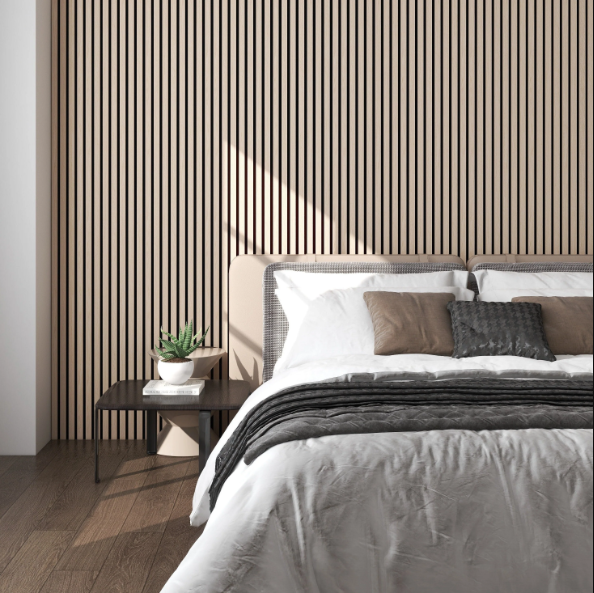
Your new wall panels should complement your existing decor, not clash with it. Think about your home’s aesthetic. Are you going for a modern, minimalist look? Clean lines from fluted or slatted panels would be a perfect fit. If your style is more rustic or Scandinavian, consider the natural texture of Unfinished Wood Wall Panels. For complete creative control, look for paint-grade panels that you can customize with any color to perfectly match your design scheme. The goal is to create a cohesive look that feels intentional and enhances your space.
Exploring the Range of Available Designs
The world of 3D wall panels is full of creative possibilities, with designs ranging from subtle textures to bold architectural statements. You can find everything from flowing wave patterns that create a sense of calm to sharp, geometric shapes that add a dramatic, modern edge. For a clean and structured look, fluted and slatted panels have become incredibly popular, offering a timeless texture that works well in almost any setting. These linear patterns are great for making a room feel taller or wider, depending on how you orient them. The key is to find a pattern that not only looks good on its own but also enhances the overall feel of your room. Don't be afraid to browse different styles to see what catches your eye—the right design can turn a simple wall into a work of art.
Getting Your Measurements Right
Before you click “buy,” grab a tape measure. You need to know the exact height and width of the area you want to cover. Calculate the total square footage, and then order about 10% extra to account for any mistakes or tricky cuts. Panel dimensions vary by manufacturer and style, so always double-check the product specifications. Planning your layout ahead of time will help you visualize the final result and ensure you have enough material to finish the job without any last-minute panic. This simple step saves a ton of headaches during installation.
Common Panel Sizes and Dimensions
Once you have your wall's measurements, the next step is to check the dimensions of the panels you're eyeing. Sizes can vary a lot, but you'll notice a few common formats. Many decorative panels are sold in large sheets, often around 48 by 96 inches, which are fantastic for covering a big area with minimal seams. Others come as smaller tiles, like 20-by-20-inch squares, that allow for more creative, intricate patterns. For example, our Acoustic Wall Panels are typically sold as long planks, making it easy to achieve that seamless, floor-to-ceiling look. Also, pay attention to the panel's thickness—it can range from a subtle 3/4 inch to a bolder 1 1/8 inches, which really determines how much the 3D pattern pops off the wall.
What to Look For in a High-Quality 3D Wall Panel
A beautiful design can catch your eye, but the real value of a 3D wall panel lies in its quality and features. Before you click "buy," it's smart to look beyond the product photos and understand what you're actually getting. Paying attention to the material, installation process, and maintenance needs will help you choose panels that not only look fantastic but also last for years. Here’s what to focus on.
How to Check for Durability
The foundation of a great wall panel is the material it's made from. High-quality panels are built to last, so look for descriptions that mention durability and strong construction. Materials like WPC (Wood Plastic Composite) and high-density PVC are excellent choices because they resist moisture and wear. You also want something lightweight enough to handle easily during installation but sturdy enough to stay put. When you’re browsing, check the product specifications for details on the material composition. A reputable supplier will be transparent about what their wall panels are made of, giving you confidence in your purchase.
Real Wood vs. Veneer: Know the Difference
When you're shopping for wood panels, you'll see "real wood" and "veneer" used a lot, and they are not the same thing. Real wood panels, like our Acoustic Wall Panels, are made from solid pieces of wood, offering authentic grain, texture, and durability. Veneer, on the other hand, is a very thin layer of real wood that's glued to a core material, which is often MDF or particleboard. While veneer can look good initially and might be cheaper, it doesn't have the same longevity or feel as solid wood. For a high-quality, lasting investment, real wood is the superior choice, providing unmatched character and strength for your walls.
Check for Safety Ratings and Warranties
Beyond aesthetics, practical features like safety ratings and warranties are crucial indicators of a quality product. Look for panels with a Class A fire rating, which is the highest standard for surface building materials and often required for commercial projects. This rating ensures the material is resistant to flame spread, giving you peace of mind. A good warranty is just as important; it shows that the manufacturer stands behind their product's durability and craftsmanship. Before you finalize your purchase, always check the product specifications for this information. A reputable supplier will make these details clear, helping you invest in panels that are not only beautiful but also safe and built to last.
DIY vs. Pro: What's the Installation Like?
How a panel gets on your wall is just as important as how it looks. The best panels are designed for a straightforward installation, whether you’re a seasoned contractor or a weekend DIYer. Many modern panels can be installed with construction adhesive or even double-sided tape, which minimizes damage to your walls. Before you commit, read the installation guide or product description. Does it require special tools? Is the process clear and simple? Choosing a panel with a user-friendly installation method saves you time, money, and a lot of potential frustration down the road.
Don't Overlook the Design Details
This is the fun part! The right design can completely transform a room, turning a plain wall into a stunning focal point. Think about the overall style you want to achieve. Are you going for a modern, minimalist look with clean lines? Or something more rustic and natural with Unfinished Wood Wall Panels? Consider the pattern, texture, and color. Some panels, like fluted or slat designs, can create an illusion of height, while geometric patterns add a dynamic, contemporary feel. Don’t just pick a design you like—pick one that complements your existing decor and helps you create the exact atmosphere you’re envisioning.
How Much Maintenance Do They Need?
To keep your new accent wall looking its best, you need to know how to care for it. Different materials require different levels of upkeep. For example, natural wood panels might need occasional dusting or specific cleaners to maintain their finish, while PVC or WPC panels can often be wiped clean with a damp cloth. Think about the location of the wall—a high-traffic area or a kitchen might benefit from a more durable, easy-to-clean material. Always check the manufacturer’s care instructions. Choosing a panel with maintenance requirements that fit your lifestyle ensures your investment continues to look great with minimal effort.
Consider Production and Shipping Times
It’s easy to get caught up in finding the perfect design, but don’t forget to check the logistics. Production and shipping times can make or break your project timeline. Some suppliers have panels in stock and ready to go, while others might have a lead time of several weeks before your order even leaves the warehouse. A delay in receiving your materials can throw your entire renovation schedule off track. Before you commit, look for a supplier that offers clear, reliable shipping and transparent delivery estimates. This is especially important for contractors and trade professionals who are managing multiple deadlines. Always confirm the expected arrival date so you can plan your installation accordingly and keep your project running smoothly.
How to Compare Prices and Find the Best Deals
Finding the right 3D wall panels at a price that fits your budget is a key part of any project. But getting the best deal isn't just about finding the lowest price tag—it's about getting the best overall value. A cheap panel that's difficult to install or doesn't last isn't a bargain in the long run. To make sure you're spending your money wisely, you need a smart shopping strategy. By comparing platforms, looking for special pricing, timing your purchase with sales, and calculating the total cost, you can secure high-quality panels without breaking the bank. Let's walk through how to do it.
Do Your Homework: Compare Prices
Your first step should always be to shop around. Don't just buy from the first site you find. Take some time to compare prices for similar styles across a few different retailers, from specialty suppliers to large online marketplaces. You might be surprised by how much the cost can vary for panels made from the same material. Create a simple spreadsheet to track the price per square foot, material type, and style you like from each store. This will give you a clear, at-a-glance view of your options and help you identify which retailers consistently offer the most competitive pricing for the wall panels you’re interested in.
Breaking Down the Costs: Panels and Installation
The price you see on the product page is just the starting point. To get a real sense of your budget, you need to think about the total cost, which includes the panels and the installation. Professional installation for 3D wall panels can range anywhere from $15 to $120 per square foot, with most residential projects landing between $25 and $70. This wide variation depends heavily on the panel material and the complexity of the job. However, you can significantly cut down on costs by choosing DIY-friendly options. Many modern wall panels are designed for easy installation with just construction adhesive, making it a manageable weekend project. Before you finalize your budget, be sure to account for the panels, any necessary supplies like adhesive, and potential labor costs if you plan to hire a pro.
Covering a Large Wall? Look for Bulk Pricing
If you're covering a large wall or outfitting multiple rooms, the cost of individual panels can add up quickly. Many suppliers offer discounts for bulk purchases, which can lead to significant savings on bigger projects. This is especially important for contractors, designers, and other trade professionals. Look for suppliers that have a dedicated program for professionals, often called a "trade program" or "pro account." These programs typically provide exclusive discounts, tax-exempt purchasing, and other perks. Applying for a trade account is usually free and can be one of the easiest ways to lower your material costs.
Keep an Eye Out for Sales and Promos
Patience can pay off. If your project timeline is flexible, keep an eye out for sales and promotional events. Many online retailers run deals during major holidays like Black Friday or Memorial Day. A great way to stay in the loop is to sign up for the email newsletters of a few suppliers you like. You'll be the first to know about upcoming sales, and you might even receive exclusive coupon codes just for being a subscriber. Some companies also offer a one-time discount for new customers, so be sure to look for a pop-up or banner when you first visit a site.
Remember to Factor in Shipping and Supplies
The sticker price of the panels is only one piece of the puzzle. To understand the true cost, you need to factor in all the associated expenses. Shipping is a big one—wall panels can be large and heavy, so delivery fees can add a significant amount to your final bill. Look for suppliers that offer free or flat-rate shipping. You also need to consider installation. While many modern panels are designed for DIY installation, some materials may require professional help, which is an added labor cost. Always get a complete quote that includes shipping and taxes before you make your final decision.
What Customer Reviews Really Tell You
Customer reviews are your secret weapon for making a smart purchase. Beyond the star rating, they offer a real-world look at what you can expect from a product and the company selling it. When you read through reviews, you’re not just looking for a simple thumbs-up or thumbs-down; you’re gathering valuable intel. You can uncover patterns in feedback that highlight a product's strengths and weaknesses, from the quality of the materials to the ease of installation.
Reading what other buyers have experienced helps you set realistic expectations. You might find tips for a smoother installation, learn about potential shipping issues, or discover how a company handles problems when they arise. A company that proudly displays its customer feedback is often a good sign, as it shows they are confident in their products and transparent with their buyers. Think of reviews as a detailed guide that helps you look past the marketing photos and understand how the panels will actually perform in your space.
Look for Clues About Quality and Installation
Reviews are a goldmine for understanding how easy (or difficult) a panel is to install. Look for comments that mention specific installation methods, like using adhesive or double-sided tape, which can give you practical ideas for your own project. Many reviewers will share whether the panels were easy to cut, if they lined up correctly, and if the final result matched the product photos. This is where you can learn if a product is truly DIY-friendly or if you might need to call in a professional.
Pay close attention to comments about the material itself. Words like "sturdy," "solid," or "high-quality finish" are great signs. On the other hand, if you see multiple reviews mentioning that the panels feel "flimsy" or "cheap," it’s a red flag. These firsthand accounts give you a much better sense of the product's tangible quality than a simple description ever could.
Do the Panels Stand the Test of Time?
Durability is key, and reviews often reveal how well 3D wall panels hold up over time. Look for comments that mention how the product arrived. Were the panels well-packaged, or did some arrive damaged? This can tell you a lot about a company’s shipping and handling process. Some customers might also point out issues with consistency, such as slight variations in color or texture between panels. While minor differences can be normal, widespread complaints about mismatched tones could signal a quality control problem.
Reading reviews helps you spot potential long-term issues before you buy. For example, are people complaining that the panels are chipping, fading, or difficult to clean? By focusing on durable materials like our WPC Fluted Slat Wall Panels, you can avoid these problems. Honest feedback from other buyers gives you a clear picture of a product’s resilience.
What if You Need to Contact Support?
A product is only as good as the company that stands behind it. Reviews offer a transparent look into a company's customer service. When you read them, don’t just focus on the product itself—look for mentions of the buying experience. Did the company communicate well about shipping? How did they respond if something went wrong? Seeing comments like "customer service was very helpful" or "they quickly replaced a damaged panel" is a strong indicator that you’re dealing with a reliable supplier.
Conversely, if you see a pattern of complaints about unanswered emails, difficult returns, or unhelpful support staff, it’s best to be cautious. A company that values its customers, especially trade professionals, will have positive service reviews to back it up. This feedback is crucial for ensuring you have support if you need it.
Is It Worth the Price?
Reviews are one of the best tools for determining if a product offers good value for its price. A low price tag can be tempting, but feedback from other buyers will tell you if it’s a bargain or just plain cheap. Look for comments that weigh the product's quality against its cost. For instance, a review stating, "These panels feel much more expensive than they were," is a great sign.
On the flip side, watch out for reviews that say things like, "The material was much flimsier than I expected for the price." This kind of feedback helps you avoid disappointment and ensures you’re investing in a product that will look great and last. Ultimately, reviews help you understand the true value you’re getting, allowing you to find that sweet spot between affordability and quality.
Common Pitfalls When Buying Online (And How to Avoid Them)
Shopping for building materials online is incredibly convenient, but it’s not without its risks. When you can’t see and touch the product firsthand, you’re relying on photos and descriptions that might not tell the whole story. For something as visual and structural as 3D wall panels, a few common issues can turn an exciting project into a frustrating one. Knowing what to watch for ahead of time can help you make a smarter purchase and ensure your project goes smoothly from start to finish.
Problem #1: Damaged Goods on Arrival
There’s nothing worse than waiting for your beautiful new wall panels only to have them arrive cracked, bent, or scuffed. Because these items can be large and relatively delicate, damage during transit is a real concern. Poor packaging can lead to misaligned edges and surface damage that ruins the final look. To avoid this, carefully read customer reviews and look for comments about how the products were packaged and their condition upon arrival. Prioritize suppliers who specialize in shipping building materials and have a clear policy for handling items damaged in transit.
Problem #2: The Color or Texture Is Off
The color you see on your screen isn't always the color you get in person. Variations in lighting, monitor settings, and even manufacturing batches can lead to surprising differences in tone and texture. Some customers report receiving panels that are noticeably different from one another, which can disrupt a uniform design. The best way to prevent this is to order samples before committing to a full purchase. You should also buy all the wall panels for your project in a single order to ensure they come from the same batch.
Problem #3: Installation Is Harder Than It Looks
Some 3D wall panels can be tricky to install, with customers reporting difficulties getting the seams to align perfectly. A poorly designed panel can lead to visible gaps and an unprofessional finish. Before you buy, look for installation guides or videos on the product page. This will give you a realistic idea of the skill level required. If the process seems too complex for a DIY project, it might be worth choosing a different product or factoring in the cost of hiring a professional. A little research upfront can save you a major installation headache.
Problem #4: The Dreaded Return Process
What happens if your panels arrive damaged or just aren't what you expected? A complicated return process or unresponsive customer service can make a bad situation worse. Some online retailers make it difficult to send back bulky items or are slow to offer resolutions. Always read the return policy before you complete your purchase. Check the return window, find out who pays for return shipping, and look at company reviews to see how they’ve handled customer issues in the past. A company with a reputation for good service is a much safer bet.
Your Smart-Buyer's Checklist
You’ve done the research and narrowed down your options. Before you make that final click, running through a quick checklist can ensure you’re getting exactly what you need. Here are a few final tips to help you buy with confidence.
Check the Specs (The Boring But Important Part)
The devil is in the details, and product specs are your best friend when buying online. Look past the pretty pictures and check the nitty-gritty details: material composition, dimensions, weight, and fire rating. High-quality wall panels should be durable, lightweight, and easy to handle. Ensuring the specs match your project’s needs will save you from headaches later and guarantee your new walls not only look great but also last for years.
Know the Return Policy Before You Order
Think of the warranty and return policy as your safety net. Before you purchase, get familiar with the seller’s terms. How long do you have to return an item if it’s not what you expected? Are there restocking fees? A transparent and fair return policy is a great sign that a company stands behind its products and values its customers. It gives you peace of mind knowing you have options if the panels arrive and aren’t quite right for your space.
Have an Installation Game Plan
Consider how the panels will actually get on your wall. Are they designed for a simple DIY installation, or will you need to hire a professional? Many modern 3D wall panels are made for easy application, often requiring just a strong adhesive or double-sided tape, which helps avoid damaging your walls. Checking the installation requirements beforehand helps you budget for any additional materials or labor costs and ensures a smooth, hassle-free process from start to finish.
Feeling Confident in Your Choice
When you’re ready to decide, think about both form and function. The best choice is a panel that fits your aesthetic vision while also meeting your practical needs for durability and maintenance. By balancing visual appeal with real-world performance, you’re not just buying a decorative element—you’re making a smart investment in your home or project. A great design should be beautiful and built to last, giving you a feature wall you’ll love for years to come.