




Fire-Rated Steel Doors: What to Verify Before You Specify

Fire-rated steel doors are not simply standard steel doors with a safety label. A fire-rated opening is a tested and labeled assembly that can include the door, frame, glazing, hinges, latch or exit hardware, closer, seals, and other components.
The most important rule is simple: do not assume a fire rating applies to a steel door unless the exact product and assembly have current documentation supporting that rating.
What a fire rating actually means
A fire rating describes performance of a tested door assembly under a specific fire-test standard and configuration. Ratings are commonly expressed in minutes or hours, but the required rating depends on the wall, opening, occupancy, location, adopted building code, and local authority having jurisdiction.
A product page, image, style name, or generic statement such as “steel doors are fire resistant” is not enough to establish a code-compliant fire rating.
The entire opening matters
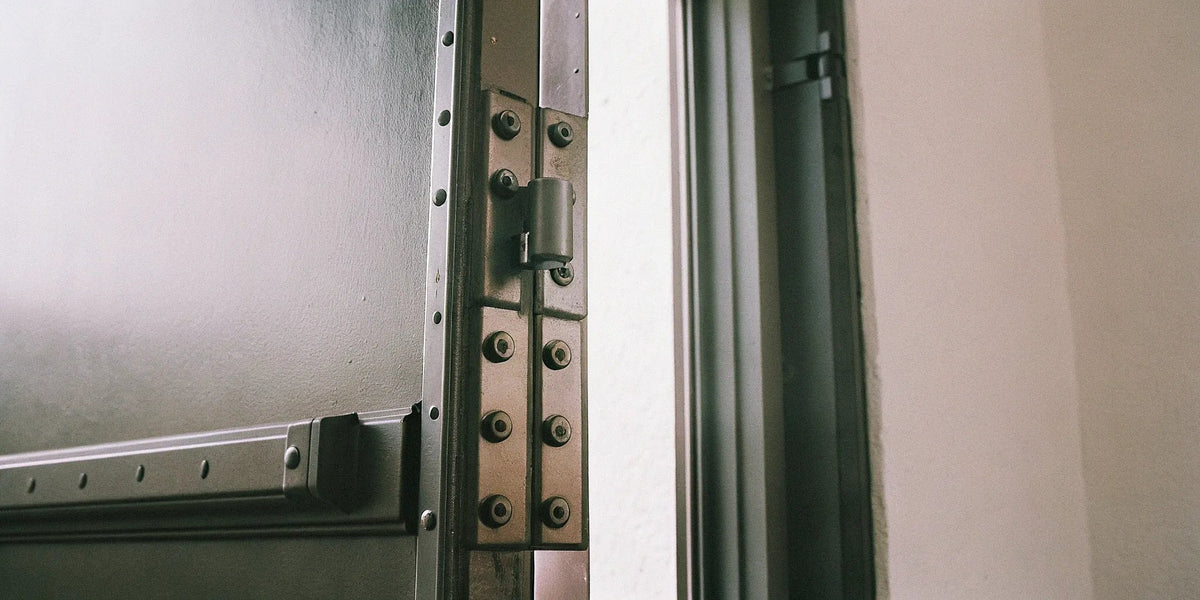
Fire-door performance depends on the complete opening. That means the door leaf, frame, hardware, glazing, seals, and installation must be appropriate for the listed assembly. Replacing one component with an unapproved alternative can affect the rating or code acceptance.
What documentation should you request?
For any project where a fire rating is required, request documentation for the exact product and configuration before purchase or installation.
- Manufacturer and model or product identification
- Applicable fire-test standard
- Fire-protection rating or assembly rating
- Listing or certification agency, where applicable
- Door and frame configuration
- Approved glazing, hardware, and latching requirements
- Size or dimensional limitations
- Installation requirements and listed exceptions
Do not transfer a rating from one door to another
Two steel doors can look almost identical and still have completely different tested construction. A rating documented for one door, frame, glass package, size, or hardware set should not be applied to another product unless the documentation specifically covers it.
Fire-rated is different from fire-resistant language
Steel is a noncombustible material, but that fact alone does not make every steel door a fire-rated door assembly. A fire rating depends on the tested opening and its supporting listing or certification.
For this reason, USA Builders Depot does not treat a generic steel-door category as proof of a particular 20-, 45-, 60-, 90-minute, or multi-hour rating.
What about UL, Intertek, NFPA, and building codes?
Recognized testing and certification organizations may appear on fire-door labels and reports. NFPA standards and the adopted building code can also govern installation, inspection, and maintenance requirements.
The project team should confirm which standard, listing, and rating are required for the specific opening. The architect, code consultant, contractor, fire-protection professional, or authority having jurisdiction should make the final code-acceptance determination.
Self-closing and positive-latching requirements
Many rated openings require self-closing and positive-latching operation. Hardware must be compatible with the listed assembly and with the project’s accessibility, egress, and security requirements.
Do not add field-installed locks, glass cutouts, louvers, kick plates, or other modifications to a rated opening unless the modification is permitted by the applicable listing and code requirements.
Glazing requires its own verification
A steel door with glass is not automatically a fire-rated glazed door. The glass, vision kit, dimensions, location within the leaf, and complete assembly must be covered by the appropriate documentation.
For a separate discussion of glass options in standard steel entry doors, see our Steel Entry Doors with Glass guide.
Jamb depth, wall construction, and rough opening still matter
Even when a rated opening has been selected, the frame must fit the actual wall assembly and opening. Verify wall thickness, jamb depth, rough opening, handing, swing, sill or threshold conditions, and surrounding construction before ordering.
See our Steel Door Jamb Depth Guide and Steel Door Handing Guide for measurement and ordering basics.
Installation and inspection
A listed fire-door assembly can lose its intended performance if it is installed incorrectly or modified outside the listing. Installation should follow the manufacturer’s instructions, project documents, applicable code, and listing requirements.
Where periodic inspection is required, maintain the labels and documentation and correct issues such as damaged components, nonfunctioning closers, failed latching, improper gaps, or unapproved modifications.
USA Builders Depot’s documentation-first approach
USA Builders Depot offers steel doors for residential and commercial projects, but a fire-rating claim should only be made when current documentation supports the exact product and configuration being supplied.
If your project requires a rated opening, contact us with the required rating, opening size, wall construction, handing, glass requirements, hardware requirements, and project jurisdiction. We can help determine whether a documented product configuration is available for the request.
Explore Steel Doors | Steel Door Technical Resources
Frequently Asked Questions
Are all steel doors fire rated?
No. Steel construction alone does not establish a fire rating. The exact door assembly must have applicable supporting documentation.
Can I assume a 90-minute rating because another similar door has one?
No. Ratings should not be transferred between different products, sizes, frames, glazing packages, or hardware configurations without supporting documentation.
Does a rated door require a rated frame?
A fire-rated opening is evaluated as an assembly. The frame and other components must meet the requirements of the applicable listed configuration.
Can a fire-rated door include glass?
Some rated assemblies can include glazing, but the glass and vision-kit configuration must be supported by the applicable documentation.
Who determines the required fire rating?
The adopted code, project documents, design professional, code consultant, and authority having jurisdiction determine the required rating and acceptance criteria for the opening.