

Your Guide to Fire-Resistant Cement Board

Choosing fire-resistant cement board starts with the exact product and its intended use. A tile backer, an exterior cladding panel and a component of a tested fire-rated wall are not automatically interchangeable. This guide explains what to check before specifying or ordering a board.
Key Takeaways
- Check the evidence: A material description is not a product-specific fire test report.
- Separate the ratings: Surface-burning performance, noncombustibility and an hourly assembly rating answer different questions.
- Match the application: Confirm the exact board, thickness, finish and installation requirements before purchase.
What do cement board fire ratings mean?
Surface-burning performance
ASTM E84 compares surface flame spread and smoke development under specified test conditions. A surface classification such as Class A does not establish an hourly wall rating. ASTM also states that a flame-spread index alone cannot classify a material as noncombustible, and this test does not measure heat transmission through the surface. See the ASTM E84 overview.
Hourly fire resistance belongs to a tested assembly
A one-hour or two-hour rating depends on a specific construction system evaluated under an applicable test, such as ASTM E119 or UL 263. It cannot be inferred from board thickness or the word “cement.” Framing, board layers, insulation, fasteners and other details must match the specified design. UL Solutions explains assembly testing and design requirements.
Noncombustibility is a separate question
Request the relevant test report for the exact product when noncombustibility is required. Do not substitute a surface-burning result or a general brand statement for that evidence. A certification must be read within its stated scope.
Where can cement board be used?
Fireplaces, stoves and heat shields
Check both the appliance instructions and the board manufacturer’s permitted applications. Do not use a generic clearance-reduction percentage or assume adding cement board makes an otherwise unsuitable installation acceptable. Have the proposed materials and clearances confirmed by the qualified installer and the relevant building authority before construction.
Bathrooms and other wet areas
Water resistance does not automatically make a board or wall waterproof. For example, the USG Durock systems guide identifies a separate barrier requirement where waterproof construction is specified. Use the waterproofing and joint details required for your chosen product and installation; one manufacturer’s instructions do not establish another product’s suitability.
Exterior cladding
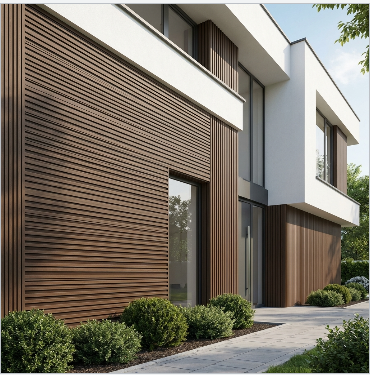
Confirm that the exact panel is intended for exterior use and obtain its installation documents. Ask about the supporting structure, attachment, joints, flashing and finish maintenance. Do not select an exterior panel as a tile backer or heat shield solely because both products contain cement.
Comparing boards and planning installation
Compare products using current technical documents for the intended application, rather than treating one material category as universally safer than another. For a required fire-rated wall, start with the specified tested design. Do not change its components or joint treatment based on generic advice to use “fire-rated caulk.”
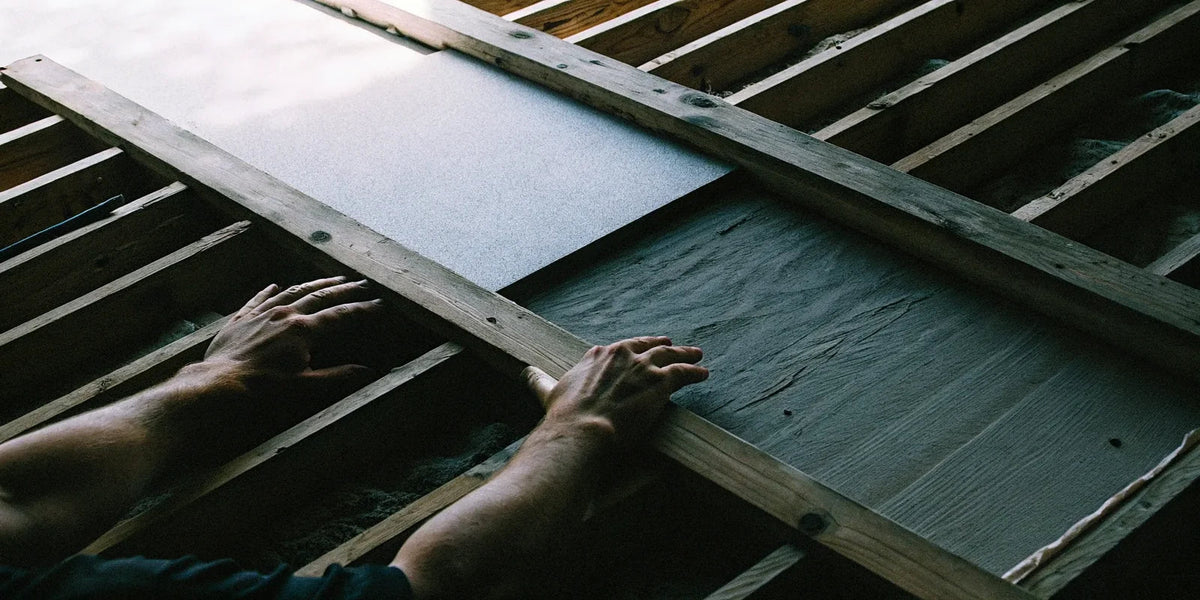
Before ordering, ask your installer to confirm the product identifier, dimensions, thickness, required quantity and supporting documentation. Keep the installation guide and any applicable test report with your project records. Follow the manufacturer’s handling, cutting and maintenance instructions.
Explore fiber cement boards at USA Builders Depot
View our large-format fiber cement board and fiber cement board collection for current product and ordering details. This article does not certify a USABD product for a fire-rated assembly, fireplace, heat shield or wet-area application.
Visit our technical resources, or request product documentation and project support. Include the intended use, product name, required rating or specification, quantity and delivery ZIP code. Confirm suitability with your project professional before purchasing.
Budget and ordering
Build your estimate around the confirmed product and complete installation requirements, including delivery, accessories and labor. Request current pricing instead of relying on a generic cost per square foot. Trade customers can apply for a USABD trade account and ask about pricing for their project.