


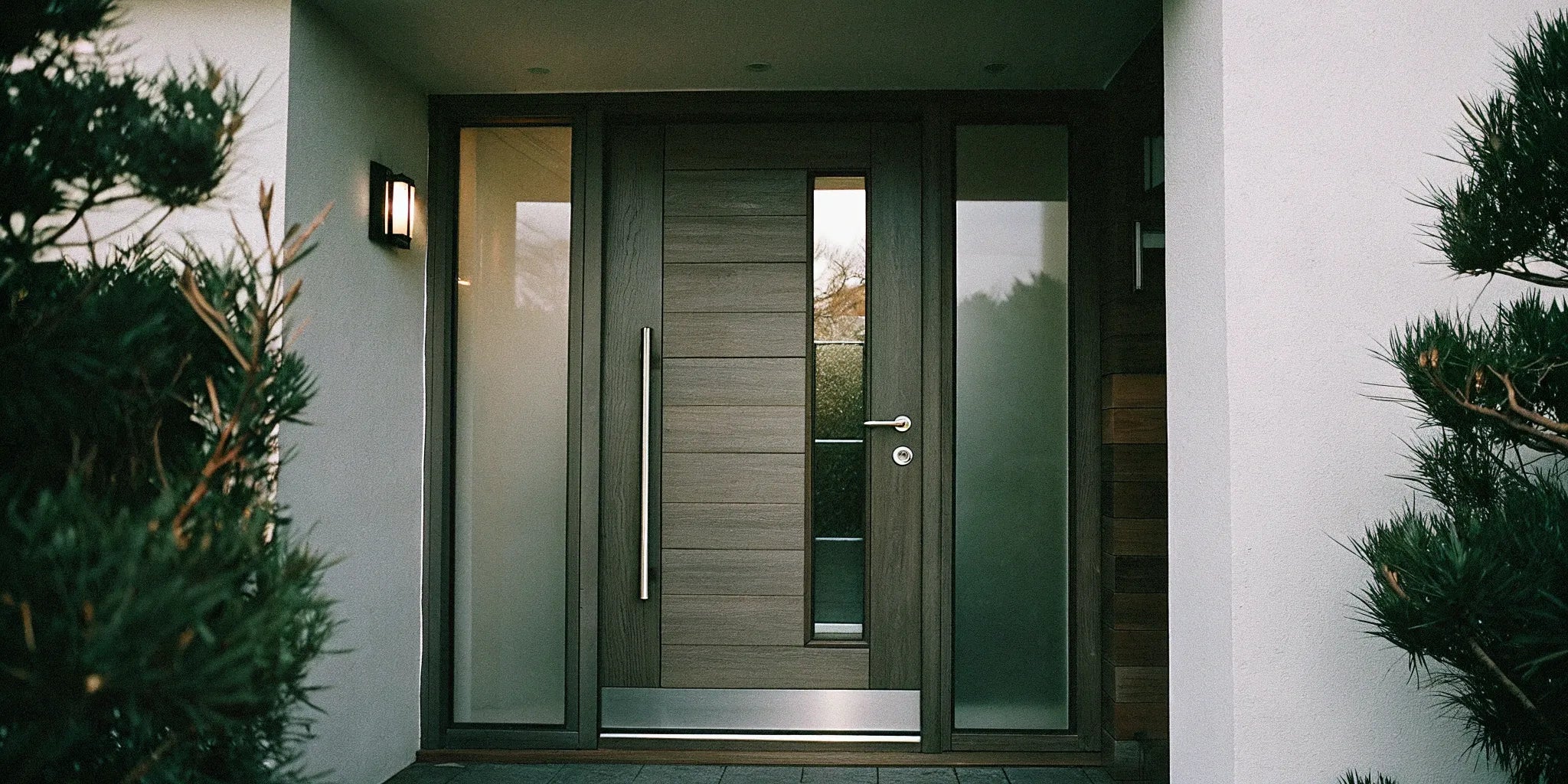
Front Door with Sidelight: Is It Right for You?
Dreaming of a grand entrance but stuck with a narrow entryway? You might feel like your options are limited, especially since double doors require a much wider opening. This is where the clever design of a modern front door with one sidelight comes in. It delivers that open, airy feeling and floods your space with light, all within a compact footprint. The single vertical glass panel creates an illusion of height, making your entrance feel grander and more welcoming without major structural changes. It’s the perfect high-impact solution when every inch counts.
Key Takeaways
- Get More Light Without a Major Reno: A single sidelight offers the bright, welcoming feel of a larger entryway without requiring the wide opening of double doors. It's a perfect way to improve curb appeal and make a modern statement in a compact space.
- Prioritize Your Door's Material: Your choice of material—steel, fiberglass, or wood—is the biggest factor in determining security, maintenance, and cost. Steel is your go-to for maximum strength and low upkeep, while fiberglass offers a durable, weather-resistant alternative.
- Think Beyond the Door Slab: A front door's real value comes from the complete system. Professional installation ensures a perfect fit, while upgrades like multi-point locks and energy-efficient glass are essential for maximizing security and performance.
Is a Front Door with One Sidelight Right for You?
Choosing a new front door is a big decision, and a model with a single sidelight offers a fantastic blend of style, light, and practicality. This asymmetrical design makes a modern statement while solving common entryway challenges, making it a popular choice for homeowners and builders alike. It’s an elegant way to create a memorable first impression that is both beautiful and functional. Unlike a standard solid door, this configuration introduces an element of glass that can completely change the feel of your home's entrance. And unlike double doors, which require a significant amount of space, a single door with one sidelight provides a similar sense of grandeur in a more compact footprint.
This style is incredibly versatile, fitting seamlessly with architectural designs from minimalist and contemporary to industrial and transitional. The single vertical line of glass creates a clean, sophisticated look that draws the eye and adds a touch of elegance. It’s a design choice that says you value both aesthetics and smart, functional living. Before you decide, it's worth exploring the specific advantages this configuration brings, from flooding your foyer with sunlight to improving your home's overall value and security. It's more than just a door; it's a statement piece that enhances your home from the inside out.
Welcome More Natural Light into Your Home
One of the biggest draws of a door with a sidelight is the abundance of natural light it brings into your home. A single glass panel is enough to completely transform a dark or cramped foyer, making the entire space feel more open, airy, and inviting. This stream of daylight creates a warm welcome for guests and can even make a small entryway feel more expansive. By brightening up the front of your home, you set a positive and welcoming tone that flows through the rest of your interior. This not only improves the ambiance but also reduces the need for artificial lighting during the day, which can be a nice little bonus for your energy bill.
Add Instant Curb Appeal and Value
Your front door is the focal point of your home’s exterior, and an upgrade can dramatically improve its curb appeal. A door with one sidelight provides a clean, contemporary look that stands out. The asymmetrical design adds visual interest and a touch of modern sophistication that complements many architectural styles, from classic to cutting-edge. Beyond just looking great, a new front door is also a smart investment. It’s one of the few home improvement projects known to add resale value, offering a significant return when it comes time to sell. It’s a choice that pays off with both immediate enjoyment and long-term financial benefits.
Make the Most of a Narrow Entryway
If you love the idea of a grand entrance but don't have the space for wide double doors, a single sidelight configuration is the perfect solution. This design gives you the open feel and extra light of a larger entryway without requiring a wide structural opening. It’s an excellent choice for smaller homes or entryways where space is at a premium, allowing you to make a statement without a major renovation. The vertical glass panel draws the eye upward and creates the illusion of a wider, more substantial entrance. This gives you a high-impact look that works beautifully within your existing footprint, proving you don’t need a massive opening to have an impressive front door.
Balance Style, Security, and Efficiency
Adding glass to your entryway doesn't mean you have to compromise on safety or energy efficiency. Modern doors are engineered with security as a top priority, especially when you choose a robust material. High-quality steel doors, for example, offer exceptional strength and durability that provides peace of mind for your family. The glass used in sidelights is typically double- or triple-paned and insulated to prevent heat loss, keeping your home comfortable year-round. Combined with strong frames and tight weather seals, these doors are built to be just as secure and efficient as their solid counterparts, giving you the best of both worlds.
What's the Best Material for Your Front Door?
Choosing the right material for your front door is a big decision. It’s not just about looks—it’s about security, durability, and how much time you want to spend on maintenance. Each material has its own unique set of strengths, and the best one for you really depends on your priorities, climate, and budget. Are you looking for something that offers maximum security with minimal upkeep, or is the timeless beauty of natural wood worth a little extra care? Let's walk through the most popular options so you can feel confident in your choice.
Steel Doors: The Ultimate in Strength and Security
If security and strength are at the top of your list, a steel door is an excellent choice. Steel is incredibly tough, offering superior resistance to impact, which can give you great peace of mind. These doors are also built to handle whatever the weather throws at them, so you don't have to worry about warping or cracking over time. While you might picture a cold, industrial look, modern steel doors come in a variety of sleek designs and finishes that can complement any contemporary home. They provide a clean, minimalist aesthetic that pairs beautifully with a glass sidelight, creating a secure yet welcoming entrance.
Fiberglass Doors: Low-Maintenance and Weather-Tough
Fiberglass doors are the chameleons of the entry door world, and they are fantastic for anyone who wants a low-maintenance solution. They are exceptionally durable and won't dent, rust, or warp, making them ideal for harsh or humid climates. One of their biggest advantages is their ability to mimic the look of real wood, complete with convincing grain patterns, but without the demanding upkeep. Fiberglass also offers excellent insulation, which can help improve your home's energy efficiency and potentially lower your utility bills. If you love the look of wood but not the work, fiberglass is a perfect compromise.
Wood Doors: Classic Beauty and Natural Warmth
There’s no denying the classic, warm appeal of a solid wood door. Materials like mahogany, oak, and walnut bring a natural beauty and richness to your entryway that other materials just can't replicate. A wood door can feel substantial and high-end, making a powerful first impression. However, that beauty comes with a commitment. Wood doors require regular maintenance, including staining or painting every few years, to protect them from moisture and sun damage. If you're prepared for the upkeep and want a truly timeless look, a wood door is a beautiful investment for your home.
Popular Wood Species
If you've decided that the natural warmth of wood is the right fit for your home, the next step is choosing the perfect species. This decision goes beyond just color—it’s about the wood's unique character, its grain pattern, and how well it will hold up to the elements over time. Each type brings something different to the table, creating a distinct personality for your entryway. Let's look at a few of the most popular options to help you find your match.
- Mahogany: Often considered a top-tier choice, mahogany is prized for its exceptional durability and natural resistance to rot and moisture. It has a beautiful, deep reddish-brown color and a straight grain that gives it a timeless, elegant look, making it a fantastic investment for almost any climate.
- Oak: Known for its impressive strength and prominent grain, oak is a classic for a reason. It’s a heavy, durable wood that conveys a sense of tradition and stability, and it can be stained in various shades to suit your home's style.
- Douglas Fir: This species offers a wonderful balance of strength, stability, and beauty. Douglas fir has a straight, uniform grain that gives it a clean, contemporary feel, and it’s naturally resistant to decay, making it a reliable and attractive choice.
- Walnut: For a truly luxurious and modern statement, walnut is hard to beat. Its rich, dark chocolate tones and fine, smooth grain create a sophisticated entrance that feels both high-end and inviting.
- Knotty Alder: If you’re aiming for a more rustic or farmhouse aesthetic, knotty alder is the perfect fit. It’s celebrated for its visible knots and character marks, which add a warm, casual charm to your entryway. You can explore different wood species to see how their unique textures can complement your home's design.
Wrought Iron Doors: Ornate and Durable
Wrought iron doors are all about making a grand, artistic statement. Known for their intricate scrollwork and classic, old-world charm, they bring a level of ornate detail that is hard to match. But these doors are much more than just a pretty face. Wrought iron is incredibly strong and durable, offering a serious security upgrade for your home's entrance. They are built to last for years with very little upkeep, as they are naturally resistant to the kind of wear and tear that can affect other materials. This combination of timeless elegance and robust strength makes them a popular choice for homeowners who want a door that is both a work of art and a fortress.
Glass Panels: How to Balance Privacy and Light
Glass is a key feature in any modern front door with a sidelight, and the type you choose can dramatically impact both style and function. Large, clear glass panels create a seamless connection to the outdoors and flood your entryway with natural light. If privacy is a concern, you don't have to sacrifice the light. Options like frosted, reeded, or textured glass obscure the view while still keeping the space bright and airy. Beyond aesthetics, you can also opt for energy-efficient glass with special coatings that help regulate your home's temperature. This allows you to balance a sleek, open design with practical needs like privacy and performance.
Finding a Design Style That Fits Your Home
A front door with a single sidelight is incredibly versatile, fitting seamlessly into today’s most popular architectural aesthetics. Whether your home is a sleek new build or a classic design getting a modern update, this configuration acts as a perfect canvas. The key is to choose materials, colors, and hardware that align with your overall vision. From the clean lines of contemporary design to the raw textures of industrial styles, the right door and sidelight combination can define your home's character before anyone even steps inside. Let’s look at the leading design trends and how you can bring them to your entryway.
Go for a Clean Look: Minimalist & Contemporary
Minimalist and contemporary styles are all about clean lines, uncluttered surfaces, and geometric forms. A modern front door in this style often features a smooth, flat panel with little to no ornamentation. Glass is a key element, and a single sidelight with a simple, clear pane perfectly complements this look by adding light without visual noise. Steel doors are an excellent choice here, especially in dark, neutral tones like black or charcoal. The focus is on the purity of the form, so hardware is often understated—think sleek, long pull bars in a matte black or brushed nickel finish that enhance the door’s vertical lines.
Blend Old and New: Industrial & Transitional Styles
The industrial look draws inspiration from warehouses and factories, emphasizing raw materials and sturdy construction. A black steel door with a matching steel-framed sidelight is the hallmark of this style. It creates a bold, grounded entryway that feels both strong and sophisticated. On the other hand, transitional design blends modern simplicity with traditional warmth. You could achieve this by pairing a sleek steel door with a finish that mimics natural wood grain, offering the durability of metal with the timeless appeal of timber. This approach creates a welcoming and balanced look that bridges different design eras.
Explore Styles Like Craftsman, Traditional, and Rustic
While a single sidelight often feels contemporary, it pairs beautifully with more established architectural styles. Take the Craftsman style, for example, which celebrates natural materials and honest, visible craftsmanship. A Craftsman door often features a high lock rail, a dentil shelf, and simple, clean lines. A sidelight complements this look perfectly by letting in light without adding unnecessary fuss. The glass is typically simple, with vertical panes that echo the door's construction. This style creates an entryway that feels solid, welcoming, and deeply connected to the principles of quality and artistry.
For a look that is timeless and elegant, the Traditional style is a perfect fit. These doors are known for their classic proportions, raised panels, and sophisticated details. Adding a single sidelight can introduce a touch of modern grace while enhancing the home's stately character. The glass in the sidelight can be customized with decorative options like beveled edges or intricate caming to match the door's formal aesthetic. This combination creates a grand entrance that feels both classic and bright, offering a refined welcome that stands the test of time and complements a wide range of traditional home designs.
If you're drawn to a cozier, more organic feel, a Rustic style door might be the right choice. This aesthetic is all about celebrating natural textures, imperfections, and a connection to the outdoors. Think knotty woods, distressed finishes, and sturdy, hand-forged hardware. A sidelight in a rustic design can soften the rugged look by bringing in warm, natural light. You can choose textured or frosted glass to maintain privacy while adding to the earthy charm. This style is less about perfect lines and more about creating a warm, inviting atmosphere that feels grounded and authentic from the moment you step up to the door.
Make a Statement with Color or a Wood Finish
Your front door is the perfect place to make a statement with color. A vibrant hue—like a sunny yellow, a deep navy, or a cheerful red—can instantly inject personality into your home’s facade. A single sidelight helps balance a brightly colored door, allowing the color to pop without overwhelming the entire entryway. If bold colors aren't for you, the warmth of a natural wood finish is always in style. Many modern fiberglass and steel doors offer realistic wood grain textures that provide the beauty of wood without the demanding upkeep, giving you a classic look that lasts.
Paint Colors to Reconsider for Your Front Door
While choosing a bold color is a fantastic way to express your style, not every shade is a great long-term choice for a front door. Some colors can cause practical issues, while others might not create the welcoming vibe you’re hoping for. Before you commit to a color, it’s worth thinking about how it will perform over time and how it complements your home’s overall aesthetic. A little foresight can save you from potential headaches like premature fading, warping, or just a look that doesn't feel quite right. Let's explore a few color categories you might want to think twice about.
Colors That Absorb Too Much Heat
Extremely dark colors, especially true black, can be problematic for doors that get a lot of direct sunlight. According to experts at Southern Living, dark shades absorb a significant amount of heat, which can make the door’s surface hot to the touch. Over time, this constant heat absorption can cause the door material to expand and contract, potentially leading to warping, cracking, or peeling paint. This is especially true for wood doors, but even some composite materials can be affected. If you love a dark, dramatic look, consider a material like steel that is more stable and less prone to heat-related damage.
Colors That Can Feel Unwelcoming
On the opposite end of the spectrum, very light and soft pastel colors can sometimes fail to make the strong, welcoming statement a front door should. Shades like pale mint green or dusty lilac can appear faded or washed out, particularly if your home has rich, traditional siding materials like brick or stone. Instead of creating a clear focal point, these colors can make your entrance feel less significant. The goal is to have a door that stands out with confidence, and sometimes a color with a bit more depth and saturation is needed to ground the entrance and draw the eye.
Colors That May Look Dated or Dirty
A crisp, plain white door might seem like a timeless and safe choice, but it comes with a major drawback: it shows every bit of dirt. From fingerprints and scuff marks to dust and pollen, a white door requires constant cleaning to keep it looking fresh. It can also feel a bit too simple, missing an opportunity to add personality and character to your home's exterior. Similarly, certain trendy colors that are popular one year can quickly look dated the next. Choosing a classic, enduring color or a beautiful finish ensures your entryway remains stylish for years to come.
Choosing Between Pre-Finished and Unfinished Doors
When you’re shopping for a new door, you’ll quickly run into two main options: pre-finished and unfinished. A pre-finished door arrives from the factory already painted or stained, ready for immediate installation. This is a fantastic choice if you want a durable, professional-grade finish without the extra work. The factory application process ensures an even, long-lasting coat that’s often backed by a warranty. An unfinished door, on the other hand, is a blank canvas. It arrives as raw material—like primed steel or natural wood—giving you complete freedom to paint or stain it in any color you can imagine.
The best option really depends on your priorities. If convenience and a guaranteed high-quality finish are what you’re after, a pre-finished door is the way to go. You’ll save time and avoid the hassle of a DIY paint job. However, if you have a very specific color in mind to match your home’s trim or you simply enjoy the creative process, an unfinished door offers unlimited possibilities. It allows you to create a truly custom look for your entryway. Just be sure to use high-quality exterior paint and follow the manufacturer's instructions carefully to ensure the finish is as durable as possible.
Don't Forget the Details: Hardware and Glass Options
The small details are what pull the entire look together. The right hardware can transform your door from simple to stunning. Long, vertical pull handles emphasize height and modernity, while sleek lever sets offer a more understated feel. When it comes to the sidelight glass, you have options beyond standard clear panes. Frosted, reeded, or pebbled glass can provide privacy while still allowing natural light to filter through. These textural elements add a layer of custom detail and visual interest. Exploring different glass and hardware options allows you to personalize your entryway and reflect your unique style.
How Much Does a Modern Front Door with a Sidelight Cost?
Let's talk budget. The cost of a new front door with a sidelight can swing pretty widely, depending on what you're looking for. Think of it like buying a car—you can get a reliable base model or a fully-loaded luxury version. The final price tag is shaped by materials, brand, glass options, and any custom features you add. To make it easier, I've broken it down into three general price tiers. This will help you figure out what you can expect for your money and find a door that fits both your home's style and your budget.
Budget-Friendly Options: $1,400–$2,500
In this range, you’ll find solid, stylish doors that get the job done without a lot of fuss. These are typically made from steel or standard fiberglass, offering a clean, modern look that’s a huge step up from an old, dated door. While you won’t find a ton of custom options, you can expect quality construction and simple, elegant designs. The glass in the sidelight is usually clear or frosted for privacy. This price point is perfect if you're working on a renovation with a tight budget or updating a property and want to maximize curb appeal without overspending. It’s a practical choice that delivers a fresh, contemporary feel.
The Sweet Spot: Mid-Range Doors from $2,500–$4,000
This is the sweet spot for many homeowners, where you get a fantastic blend of style, durability, and performance. In this price range, you’ll see doors made from higher-grade materials, like thicker gauge steel or more realistic wood-grain fiberglass. You’ll also have more choices when it comes to design, color, and hardware finishes. The glass options get more interesting, too, with decorative patterns and better energy efficiency features like low-E coatings. A mid-range door is a smart long-term investment, giving you a noticeable upgrade in quality and aesthetics that really enhances your home’s entryway.
High-End and Custom Doors: $4,000 and Up
If you’re looking for a true showstopper, this is where you’ll find it. Premium doors are all about superior craftsmanship, high-end materials, and custom features. Think custom-sized steel doors, solid mahogany, or architecturally striking designs that become a focal point of your home. These doors often come standard with advanced security features like multi-point locking systems and impact-resistant glass. Customization is the name of the game here—you can specify everything from the exact finish to intricate glass designs. This is the perfect choice for a custom build or a high-end renovation where the front door needs to make a powerful statement.
What Determines the Final Cost?
So, what exactly makes one door cost more than another? A few key things are at play. The material is the biggest factor—solid wood is typically the most expensive, while steel offers a more budget-friendly, high-security option. The glass in the sidelight is another major variable; insulated, tempered, or decorative glass will cost more than a standard single pane. Don’t forget about the hardware—a high-end handle set and a multi-point locking system will add to the total. Finally, any customization, from a unique color to a non-standard size, will also influence the final price.
Cost Breakdown by Material
The material you choose is the single biggest driver of your door's cost. The total price for a new front door system can range from around $600 to over $10,000, and the door slab itself is a huge part of that. Steel doors often provide the best value, offering incredible strength and a modern aesthetic at a very competitive price point. Fiberglass is another popular mid-range option, especially if you want a wood look without the maintenance. Solid wood doors, like mahogany or oak, sit at the premium end of the spectrum, prized for their natural beauty but requiring a larger budget and more upkeep.
Installation and Labor Costs
Don't forget to factor in the cost of professional installation. This isn't a place to cut corners, as a poor installation can lead to drafts, security issues, and a door that just doesn't operate smoothly. For a straightforward replacement of an existing door and frame, you can expect labor costs to be somewhere between $300 and $800. If the entire door frame needs to be replaced or the opening needs to be modified, that cost could increase to between $600 and $1,500. Paying for an experienced installer ensures your investment is protected and your new door performs perfectly from day one.
Hardware and Additional Features
The finishing touches can also have a significant impact on the final price. Hardware—including the handle set, locks, hinges, and threshold—can add anywhere from $100 to over $1,000 to your total cost. A simple, stylish lever might be on the lower end, while a high-tech smart lock and a premium architectural pull handle will be more of an investment. Other features like energy-efficient glass coatings, built-in blinds, or advanced weatherstripping will also influence the price. These details are what truly customize your door and enhance its performance, so it's worth allocating a part of your budget for them.
Cost-Saving Tips for Your Project
A stunning new front door is an achievable upgrade, even if you're mindful of your budget. With a bit of smart planning and strategic shopping, you can get a high-quality door that enhances your home's curb appeal without breaking the bank. It’s all about knowing where to look for savings and how to approach the project thoughtfully. Here are a few practical tips to help you get the best possible value for your investment.
Get Multiple Quotes
When it comes to installation, don't just go with the first contractor you find. Take the time to get at least three different quotes from reputable local installers. This allows you to compare prices and services to ensure you're getting a fair deal. Be sure each quote is comprehensive and details all the work that will be done, from removing the old door to the final cleanup. This simple step can save you hundreds of dollars and helps you find a professional you trust to do the job right.
Consider Off-Season Installation
Timing can be everything. Most people tackle home improvement projects in the spring and summer, which means contractors are at their busiest. If your project can wait, consider scheduling your installation during the off-season, like in the late fall or winter. With less demand for their services, some installers may offer more competitive pricing. It’s a simple supply-and-demand trick that could lead to significant savings on labor costs, leaving you more room in your budget for that hardware you’ve been eyeing.
Look for Clearance or Overstock Deals
Keep an eye out for clearance events, overstock sales, or special promotions from building material suppliers. Sometimes you can find a high-quality door at a fraction of its original price simply because it was a display model or part of a discontinued line. For contractors and trade professionals, it's also worth looking into trade programs. Many suppliers offer bulk discounts and special pricing when you open a trade account, which can lead to substantial savings across an entire project.
Where to Shop for Your New Front Door
Once you have a clear idea of the style and material you want, the next step is finding the right place to buy your door. The market is full of options, from direct suppliers and big-box stores to specialty manufacturers and custom builders. Knowing where to look can save you time and help you find a high-quality door that fits your budget and vision. The key is to find a supplier who not only offers the style you love but also provides the quality, durability, and customer support you need for such an important home feature. A front door is an investment, so you want to partner with a company that stands behind its products and can answer your questions, whether they're about installation or long-term care.
To help you get started, I’ve rounded up a few of the best places to find modern front doors with sidelights. This list includes a mix of direct suppliers known for their robust materials and major brands recognized for their innovation and design versatility. We'll look at options that are great for security-conscious homeowners, those who need something that can withstand tough weather, and even those who want a completely custom piece. Whether you prioritize maximum security, weather resistance, or a completely unique design, there’s a great option out there for you. Let’s explore some of the top contenders.
Understanding "In-Stock" and Shipping Times
When you see a door listed as "in-stock," it’s easy to assume it’s sitting in a box ready to ship out the next day. However, for a complex item like a front door system, "in-stock" often means the manufacturer has all the necessary components—the door slab, frame, and glass—on hand. Your door is then custom-assembled to your exact specifications once you place the order. This process ensures a high-quality build and a thorough inspection before it leaves the factory, but it also means there's a lead time involved before it ships.
So, what kind of timeline should you expect? Generally, even for these in-stock models, it can take several weeks for the door to be assembled and prepared for freight shipping. Lead times of four to six weeks are common, and this can extend during peak seasons. For any project, especially if you're a contractor on a tight schedule, it's essential to confirm the estimated shipping time before you buy. At USA Builders Depot, we prioritize fast nationwide shipping, but we always recommend checking the specific lead time to keep your project on track.
USA Builders Depot: Steel Door Collection
If you’re looking for a door that perfectly balances strength, security, and clean modern lines, our collection of steel doors is the perfect place to start. We designed them with durability in mind, using high-quality steel that stands up to harsh weather and provides peace of mind. Our doors come in a variety of standard sizes, like the popular 36x96 single door, and we also offer custom solutions to fit unique entryways. With fast nationwide shipping, you can get a premium, secure, and stylish front door delivered right to your project site, whether you’re a homeowner doing a weekend upgrade or a contractor managing a full build.
Therma-Tru: Fiberglass and Steel Doors
Therma-Tru has built a strong reputation for its high-performance fiberglass and steel doors. They are a fantastic choice if you love the warm, classic look of wood but don’t want the associated maintenance. Their innovative fiberglass doors realistically mimic the texture and grain of wood but won’t warp, rot, or crack. This makes them an excellent low-maintenance option for nearly any climate. With a wide range of styles, glass options, and finishes, you can easily find a Therma-Tru door that complements your home’s modern aesthetic while delivering proven energy efficiency and performance.
Andersen and Pella: Glass-Focused Systems
While best known for their windows, brands like Andersen and Pella also offer beautiful and energy-efficient entry door systems that are perfect for modern homes. These companies excel at creating doors that feature large glass panels and sidelights, maximizing natural light without compromising on insulation or security. Their products often feature sleek frames and advanced glass technologies, like low-E coatings, that help control your home's climate. If your top priorities are a bright, light-filled entryway and top-tier energy performance, exploring Pella’s entry doors is a great next step.
Considering a Custom Door Builder
For a truly one-of-a-kind statement piece, nothing beats a custom-built door. Working with a specialty builder gives you complete creative control over every detail, from the exact dimensions and materials to the hardware and glass design. This is the ideal route if you have a non-standard opening, a specific architectural style to match, or a unique vision that you can’t find off the shelf. While it’s often a bigger investment, a custom entry door can become a stunning focal point that perfectly reflects your personal style and adds significant character to your home.
How to Choose the Right Size and Configuration
Getting the right fit for your new front door is about more than just making sure it opens and closes properly. The right size and configuration will make your entryway feel balanced, functional, and welcoming. A door that’s too small can look lost, while one that’s too large can overwhelm your home’s facade. Before you fall in love with a specific style, you need to understand your space and what will work best for it. This involves figuring out if a standard size will work or if you need to go custom, taking precise measurements, and deciding on the perfect placement for your sidelight. Let’s walk through how to get these crucial details right.
Do You Need a Standard or Custom Size?
Most homes are built with standard-sized door openings, which is great news for your budget and timeline. Standard doors are produced in high volumes, making them more affordable and often available to ship quickly. You can find them in common widths like 36 inches and heights of 80 or 96 inches. However, "standard" doesn't mean boring. You can find a wide variety of styles, from sleek modern designs to more traditional looks. If your home is older or has unique architectural features, you might have a non-standard opening. This is where custom sizing comes in. A custom steel door allows you to specify the exact dimensions you need, ensuring a perfect fit without having to reframe the opening. It’s the ideal solution for achieving a seamless, high-end look in a challenging space.
Common Standard Door Sizes
So, what are these "standard" sizes? The most common size for a single exterior front door is 36 inches wide by 80 inches tall. This is the go-to for most residential construction and what you'll find in stock most readily. However, taller doors are becoming increasingly popular in modern homes, with 96-inch heights creating a more dramatic and open feel. You'll also see standard widths of 30 and 32 inches, but these are generally used for interior doors; a 36-inch width is preferred for a front door to ensure comfortable entry. Knowing these common measurements helps you quickly determine if a pre-sized door, like a 36x80 single steel door, will work for your project.
How to Measure Your Entryway
Accurate measurements are the foundation of a successful door installation. You’ll want to measure the "rough opening," which is the space from stud to stud before any frame or trim is installed. Grab a tape measure and check the following:
- Width: Measure the distance horizontally across the top, middle, and bottom of the opening. Use the smallest of the three numbers.
- Height: Measure the distance vertically from the subfloor to the top of the opening on both the left and right sides. Again, use the smaller measurement.
Always double-check your numbers. If you’re replacing an existing door, it’s often easiest to measure the door slab itself, but measuring the rough opening gives you the most accurate picture. If you feel unsure, it’s always a smart move to have a professional contractor confirm the measurements before you place an order.
Where Should the Sidelight Go? Left or Right?
With a single sidelight, you have to decide: does it go on the left or the right of the door? This choice affects both curb appeal and interior flow. Stand outside and consider which side makes more sense. Think about the path to your door and which side feels more natural to approach. Inside, consider furniture placement and which side would benefit most from the extra light. You’ll also want to think about the door swing—whether it opens inward to the left or right—to ensure it doesn’t conflict with the sidelight or block a hallway. The width of the sidelight itself is another factor. A wider sidelight creates a more dramatic, light-filled entrance, while a narrower one offers a subtle accent.
Considering a Transom Window
To take your entryway design a step further, consider adding a transom window—the horizontal window that sits right above your door. This feature is a fantastic way to add architectural interest and draw even more natural light into your foyer. It draws the eye upward, creating an illusion of height that makes the entire entrance feel grander and more substantial, which is especially effective in homes with taller ceilings. A transom helps fill that vertical space, giving your entryway a balanced and complete look that feels custom and high-end.
The best part is that a transom can be designed to perfectly match your door and sidelight, creating a cohesive and unified system. You can pair a steel door with a matching set of steel windows for a seamless, modern aesthetic. Just like with sidelights, you can choose from clear, frosted, or decorative glass to control privacy while still enjoying the bright, welcoming atmosphere that a light-filled entrance provides. It’s a classic detail that feels perfectly at home in a modern design.
Have a Tricky Entryway? Here's What to Do
If your measurements don't line up with standard sizes, don't worry. A non-standard opening is an opportunity to create a truly unique and impressive entryway. Instead of trying to force a standard door to fit, embrace a custom solution. Many suppliers offer fully customizable steel doors and windows, allowing you to design a system that perfectly complements your home’s architecture. You can specify the exact height and width of the door and sidelight, choose the glass style, and select hardware that matches your vision. Working directly with a supplier or a trusted contractor can help you explore all the possibilities and ensure your custom door is everything you imagined.
Getting Installation and Security Right
A beautiful new front door is a fantastic investment, but its performance truly depends on two things: a secure setup and a quality installation. A door is more than just a slab of steel or fiberglass; it’s a complete system that needs to be installed correctly to protect your home from intruders and the elements. Thinking about the entire package—from the locks to the weatherstripping—ensures your door looks great and functions perfectly for years to come.
Should You DIY or Hire a Pro for Installation?
While the DIY route can be tempting for some home projects, installing a front door with a sidelight is a job best left to the pros. A front door has to be perfectly plumb, level, and square in its frame to open and close smoothly. Even a slight misalignment can cause drafts, let in moisture, or compromise the lock’s security. Professional installers have the tools and experience to get the fit just right, ensuring the door’s energy-efficient features, like insulated glass and tight weather seals, perform exactly as they should. A proper installation is the final, crucial step to guaranteeing your door’s longevity and performance.
Why Multi-Point Locking Systems Matter
When it comes to security, not all locks are created equal. While a standard deadbolt secures the door at a single point, a multi-point locking system engages the frame in several places—typically at the top, middle, and bottom. This makes the door significantly more resistant to being forced open, giving you incredible peace of mind. High-quality steel doors are built with the strength to support these advanced locking mechanisms. Think of it as an essential upgrade that turns your entryway into a true security feature without sacrificing style. It’s one of the most effective ways to fortify your home’s main point of entry.
How to Keep Your Glass Sidelight Secure
It’s a common question: does adding a glass sidelight make a door less secure? With modern designs, the answer is no. Security isn’t just about the door itself but the strength of the entire entry system. High-quality doors with sidelights are designed as a single, solid unit with a reinforced frame that holds both the door and the glass securely. The key is choosing strong frame materials, like steel, and durable glass options, such as tempered or laminated glass, which are much tougher to break than standard glass. This integrated approach ensures you can enjoy the beauty of natural light without compromising your home’s safety.
Don't Skip Weatherproofing and Insulation
A front door’s job isn’t just to look good—it’s also a critical barrier against the weather. Proper weatherproofing is essential for keeping your home comfortable and your energy bills down. Look for doors that come with a complete weather-sealing system, including high-quality weatherstripping around the frame and a durable sweep at the bottom. For doors with glass, insulated Low-E (low-emissivity) glass is a must-have feature. It helps reflect heat, keeping your home cooler in the summer and warmer in the winter. A professional installation ensures all these components create an airtight seal, preventing drafts and protecting your home year-round.
How to Maintain Your New Front Door
Your new front door is a major investment in your home’s curb appeal and security, so you’ll want to keep it looking and functioning its best. A little routine maintenance goes a long way in preserving its beauty and extending its lifespan. The key is to tailor your care routine to the door’s material and check on it seasonally.
Caring for Steel, Fiberglass, and Wood Doors
The material of your door dictates its maintenance needs. For example, steel doors are incredibly durable and low-maintenance, typically only requiring a gentle cleaning with mild soap and water. If the finish gets scratched, it’s a good idea to touch it up quickly with matching paint to prevent any chance of rust. Fiberglass doors are similarly easy to care for, as they resist warping and cracking. Wood doors, while beautiful, require the most attention. To maintain their rich appearance and prevent fading or warping, you’ll need to inspect the sealant annually and plan to refinish or reseal them every few years, especially if they face direct sun or harsh weather.
How to Clean Your Door's Glass and Hardware
Glass sidelights are designed to let natural light pour into your entryway, so keeping them clean is essential. A simple streak-free glass cleaner and a microfiber cloth are all you need to keep the glass sparkling. For the hardware—handles, locks, and hinges—wipe it down periodically with a soft, damp cloth to remove fingerprints and grime. Avoid harsh chemical cleaners that could damage the finish. While you’re cleaning, take a moment to check that all screws are tight and that the lock operates smoothly. A quick check a few times a year can prevent bigger issues down the road.
A Simple Seasonal Maintenance Checklist
To make upkeep easy, follow this simple checklist once or twice a year. First, give the entire door and sidelight a gentle wash with mild soap and water to remove dust and pollen. Next, inspect the door for any signs of wear, like peeling paint on a wood door or scratches on a steel one. Check the weatherstripping around the door and sidelight frame to ensure it’s intact and creating a tight seal; if it’s cracked or peeling, it’s easy to replace. Finally, test all the hardware to make sure everything is secure and functioning correctly. This simple routine will keep your entryway looking great for years to come.
The Finishing Touches That Complete the Look
Once you’ve settled on the material and style for your new front door, it’s time to think about the details that will make it uniquely yours. The right finishing touches don't just complete the look; they also enhance your door's performance, security, and energy efficiency. From the type of glass in your sidelight to the hardware you choose, these final decisions play a huge role in how your entryway functions and feels. Think of this as the final step where you can inject personality and add smart features that will make a difference every single day. Let's look at the key elements that can transform your door from standard to stunning.
How to Choose Energy-Efficient Glass
The glass in your sidelight is more than just a window—it's a critical part of your home's thermal barrier. Choosing energy-efficient glass is one of the smartest investments you can make. Modern steel doors are often built with insulated glass units (IGUs), which consist of two or more panes of glass separated by a sealed air or gas-filled space. This design drastically reduces heat transfer, keeping your home warmer in the winter and cooler in the summer. Paired with high-quality weatherstripping, this feature can lower your energy bills and make your entryway more comfortable year-round. It’s a practical choice that delivers on both sustainability and savings.
Look for ENERGY STAR Certification
If you want a simple way to identify a truly energy-efficient door, look for the ENERGY STAR label. This certification is like a seal of approval from the U.S. Environmental Protection Agency, indicating that the door meets strict energy performance standards. A door with this label is designed to insulate better and reduce air leaks, which means your heating and cooling systems don't have to work as hard. While these doors might have a slightly higher upfront cost, they pay for themselves over time through lower utility bills. When you choose an ENERGY STAR certified door, you're getting a product that's been independently verified to save energy, which is good for both your wallet and the environment.
Add Personality with Custom Glass Patterns
The glass in your sidelight offers a fantastic opportunity to customize your entryway and reflect your home's architectural style. You can move beyond simple clear glass and explore patterns that add character and privacy. Frosted, reeded, or textured glass can obscure the view from the outside while still allowing plenty of natural light to stream in. For a more decorative touch, you can find glass with intricate patterns that complement modern, traditional, or craftsman designs. This is your chance to find a style that feels personal and elevates your home’s curb appeal, turning your front door into a true focal point.
Upgrade Your Entry with Smart Locks and Modern Hardware
Your door’s hardware is essential for both security and style. For ultimate peace of mind, consider upgrading to a multi-point locking system. Unlike a standard deadbolt that secures the door at a single point, a multi-point lock secures the door at three or more points along the frame, making it significantly more resistant to forced entry. To blend security with modern convenience, you can also integrate a smart lock. These systems offer keyless entry, remote access via your smartphone, and the ability to grant temporary access to guests. Paired with sleek, contemporary handles and finishes, modern hardware ensures your door is as secure and functional as it is beautiful.