
Steel Front Door Buying Guide: What You Need to Know

Let's be honest: when you hear "steel door," you probably picture something cold, gray, and industrial. And adding glass sidelights? That must mean less security and poor insulation, right? Wrong. It’s time to set the record straight. A modern steel front door with sidelights and a transom is a sophisticated, high-performance system that can be customized for any home. Forget the old myths. I'm here to show you how these doors deliver incredible style, security, and energy efficiency, completely changing what you thought you knew.
Key Takeaways
- Upgrade to a Complete Entry System: A steel door combined with sidelights and a transom does more than just secure your home—it improves energy efficiency and fills your foyer with natural light.
- Design Your Ideal Entrance: Modern steel doors are fully customizable. You can select specific finishes, colors, glass styles for privacy, and hardware to create a look that perfectly matches your home's architecture.
- Invest in Quality and Professional Installation: For lasting security and durability, look for features like a low steel gauge and multi-point locks. A professional installation is non-negotiable for ensuring a secure, weather-tight fit.
What Exactly Is a Steel Entry Door with Sidelights?
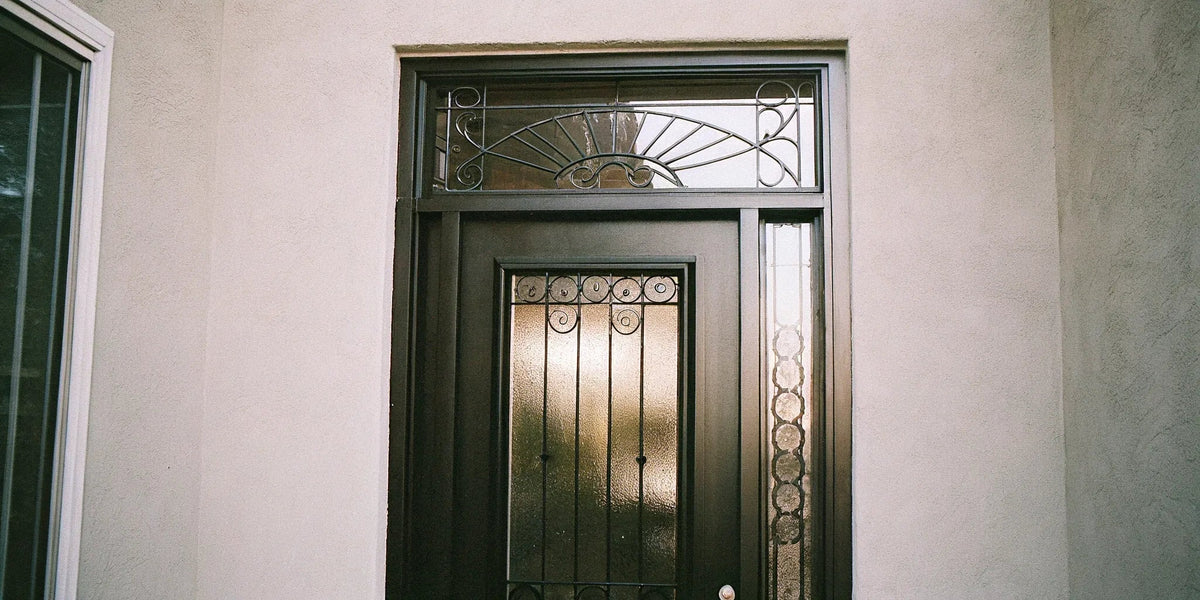
If you’ve ever admired a grand, light-filled entryway, chances are you were looking at a door with sidelights and a transom. This isn't just a single door; it's a complete entry system designed to make a statement. A steel entry door with these features combines the strength and security of steel with the beauty and brightness of glass. The result is an entrance that feels welcoming, open, and impressive, all while letting natural light stream into your home’s foyer.
This setup is perfect for anyone looking to enhance their home's curb appeal and create a brighter interior space without compromising on safety. It transforms a functional doorway into a stunning architectural feature.
Understanding the Parts: Door, Sidelights, and Transom
Let's get familiar with the terminology. The components of this system are simple but work together beautifully. Sidelights are the tall, narrow windows installed on one or both sides of the door. Think of them as the door's vertical companions. The transom is the horizontal window positioned directly above the door frame.
When combined, these glass elements frame the door, making a standard entrance feel much larger and more elegant. They create a cohesive, unified look that draws the eye and adds a touch of sophistication. This design is a fantastic way to make your front entrance a true focal point.
How Is It Different from a Standard Front Door?
A standard front door is just that—a single slab of material in a frame. While functional, it can sometimes leave an entryway feeling dark and closed off. An entry system with sidelights and a transom completely changes that dynamic. The primary difference is the integration of glass, which dramatically increases the amount of natural light entering your home.
This design also offers a better view of the outdoors while maintaining privacy, especially if you opt for frosted or decorative glass. By expanding the entryway's visual footprint, this system improves your home's curb appeal far more than a standalone door ever could. It’s a strategic upgrade that balances aesthetics, light, and the robust security of modern steel windows and doors.
Why a Steel Front Door Might Be Your Best Choice
Your front door is more than just an entry point—it’s the centerpiece of your home’s first impression and a critical part of its security. When you choose a steel entry system with sidelights and a transom, you’re investing in a complete package that delivers on security, performance, and style. Long gone are the days of plain, industrial-looking metal doors. Today’s designs offer sophisticated looks that can complement any architectural style, from modern minimalist to classic traditional. You can find finishes that mimic the warmth of wood or bold colors that make a statement, all with the underlying strength of steel.
The real power of a steel entry system lies in its trifecta of benefits. First, you get peace of mind from its incredible strength and durability, which provides a formidable barrier against intruders and harsh weather. Second, these systems are engineered for superior energy efficiency. An insulated steel door with a tight-fitting frame helps keep your home comfortable year-round while potentially lowering your energy bills. Finally, the addition of sidelights and a transom transforms your entryway, flooding it with beautiful, natural light that makes your home feel bright and welcoming. It’s a smart upgrade that adds lasting value and curb appeal without compromising on the essentials.
Enjoy Top-Tier Security and Durability
When it comes to protecting your home, strength is non-negotiable. Steel doors are renowned for their durability, making them a top choice for homeowners who prioritize security. Unlike wood doors that can warp, crack, or split over time, steel stands up to the elements and resists forced entry. A high-quality steel door is engineered with a reinforced frame and a solid core, creating a powerful deterrent to intruders. This inherent toughness means your door will not only keep your home safe but will also look great and function smoothly for years with minimal upkeep.
How Steel Resists Warping, Cracking, and Rot
One of the biggest headaches with traditional wood doors is how they react to the weather. Humidity makes them swell and stick in the summer, while dry air can cause them to shrink, leaving gaps or even causing cracks in the winter. Steel is completely different. Because it’s a stable material, it doesn’t absorb moisture, so it won’t warp, rot, or crack from changes in temperature or humidity. This means your door will open and close smoothly year-round, and its tight seal will remain intact, helping to keep your home insulated. This durability means you can avoid the constant upkeep that wood doors often demand, saving you time and money on repairs and refinishing down the road. It’s a low-maintenance solution that delivers consistent performance.
How Steel Doors Keep Your Home Comfortable
An inefficient front door can be a major source of energy loss, leading to drafts and higher utility bills. Modern steel doors are built to combat this with a thermally efficient core, typically filled with high-density foam insulation. This creates a thermal break that prevents heat and cold from passing through. When combined with a professionally fitted frame and high-performance weatherstripping, the entire system forms an airtight seal. This prevents drafts and helps maintain a consistent indoor temperature, making your home more comfortable and reducing the strain on your HVAC system.
Let the Natural Light In
A dark, cramped foyer can make a home feel unwelcoming. An entry system with sidelights and a transom is the perfect solution, designed to enhance your entryway by allowing more natural light to stream inside. This simple addition can completely change the ambiance of your home’s entrance, making the space feel larger, brighter, and more inviting. Paired with matching steel windows, you can create a cohesive and light-filled design. With various glass options available, from clear to frosted or decorative, you can control the level of privacy while still enjoying the benefits of a sunlit entryway.
Additional Performance Benefits
Beyond the core benefits of security, energy efficiency, and natural light, a well-designed steel entry system offers a few more perks that you might not have considered. These advantages contribute to both your quality of life and your wallet, making this upgrade an even smarter investment for your home. From creating a quieter indoor environment to potentially lowering your insurance premiums, the value of a modern steel door extends far beyond its good looks.
Noise Reduction with Double-Pane Glass
Your front door can be a major entry point for outside noise, from traffic to neighborhood chatter. A high-quality steel door system, especially one with double-pane glass in the sidelights and transom, acts as an effective sound barrier. This feature can significantly reduce noise transmission, creating a quieter and more peaceful environment inside your home. It’s particularly beneficial if you live in a busy urban area or near a highway, helping to turn your home into a true sanctuary from the outside world.
Potential for Home Insurance Savings
Investing in a high-security steel door can do more than just give you peace of mind—it could also lead to savings on your home insurance. Because steel doors are known for their strength and resistance to break-ins, they improve your home's overall security profile. Many insurance companies recognize this and offer discounts for homes with upgraded safety features. While policies vary, it's worth a call to your provider to see if installing a robust steel entry door qualifies you for a lower premium, adding a financial benefit to your investment.
How to Design Your Perfect Steel Front Door
A steel door isn't just a slab of metal. It's the centerpiece of your home's entrance, and you have an incredible amount of control over its final look. From the color and finish to the style of glass and the hardware you choose, every element can be tailored to match your home's architecture and your personal style. Thinking through these options is the fun part—it’s where you get to put your signature on your home’s curb appeal. Let’s look at the key ways you can make a steel door uniquely yours.
Choosing Your Frame Color and Finish
Forget the idea that steel doors only come in industrial gray. Today’s options are incredibly versatile. You can choose from a wide range of durable, factory-applied powder coatings in classic colors like black, white, and bronze. Many designs also feature sophisticated finishes that beautifully mimic the warm look of natural wood grain, giving you the strength of steel with a traditional aesthetic. If you have a specific color in mind, steel doors are also easy to paint, allowing you to perfectly match your home’s trim or siding. This flexibility ensures your new door will seamlessly complement your home’s exterior design.
Two-Tone Finish Options
To create a truly distinctive entrance, consider a two-tone finish. This design approach adds incredible depth and character by using different colors for the door slab and its surrounding frame. Imagine a bold, black frame paired with a door that has a warm, wood-grain finish—the contrast is stunning and creates an immediate focal point. It’s a perfect way to blend modern and traditional styles, giving you the sleek durability of steel with the timeless appeal of wood. Exploring different combinations allows you to design a unique entrance that reflects your personal taste and enhances your home’s architectural details. You can find a variety of finishes when looking at custom steel doors, making it easy to create an entryway that feels both sophisticated and personal.
Selecting Glass for Privacy and Style
The glass in your sidelights and transom does more than just let in light—it sets the tone for your entire entryway. Your choice here is all about balancing brightness with privacy. Clear glass is a great option for maximizing sunlight and offering an unobstructed view, making your foyer feel open and welcoming. For more privacy without sacrificing light, consider frosted or rain glass. Frosted glass provides a soft, diffused glow while obscuring the view from outside, while rain glass creates a beautiful, textured pattern that distorts visibility. These stylish glass options allow you to create an entrance that feels both bright and secure.
Adding Character with Hardware and Accents
Hardware is the finishing touch that can truly define your door's personality. Think of it as the jewelry for your entryway. The right handle, lockset, and hinges can tie the whole look together. You can choose from a variety of finishes, such as matte black for a modern, bold statement, brushed nickel for a sleek contemporary feel, or oil-rubbed bronze for a more traditional touch. Beyond the finish, the style of the hardware—from minimalist levers to ornate handlesets—makes a big difference. High-quality handles and locks not only complete the door's look but also add a critical layer of security.
Choosing Hardware from Trusted Brands
While the style and finish are important, the brand of your hardware is just as critical. Opting for handles and locks from trusted names like Schlage or Emtek ensures you're getting more than just a pretty accessory. These brands are known for their robust engineering, offering superior security features and finishes that resist wear and tear over time. A high-quality lockset is your first line of defense, so it's not an area to cut corners. When you invest in a durable steel door, pairing it with reliable hardware from a reputable manufacturer completes the system, giving you confidence in both its style and its strength for years to come.
Finding the Right Size for Your Entryway
Whether you're replacing an existing door or designing a grand entrance for a new build, there's a steel door system to fit your space. You can find standard sizes that fit most conventional openings, like a popular 36x96 Single Steel Door, which simplifies the installation process. For homes with unique architectural features or oversized entryways, custom sizing is the perfect solution. This allows you to specify the exact dimensions for your door, sidelights, and transom, ensuring a perfect fit. This versatility means you don’t have to compromise on your vision, whether you need a standard configuration or a dramatic, custom-built double steel door.
Exploring Different Door Styles and Shapes
Your entryway's shape and style don't have to be dictated by standard options. Modern steel door systems offer a surprising amount of flexibility, allowing you to create an entrance that perfectly complements your home's unique character. From asymmetrical configurations to elegant arched tops, you can tailor the door to your home's specific architectural language, ensuring the final result feels intentional and cohesive.
Beyond Single and Double Doors
While single and double doors are classic choices, your options don't end there. You can create a custom configuration that perfectly suits your entryway's scale and your personal style. For instance, you might opt for a single door with one wide sidelight for an asymmetrical, modern look, or flank it with two narrow sidelights for a more traditional, balanced feel. The beauty of a modern steel door system is its modularity. You can mix and match components—the door, the sidelights, and the transom—to achieve the right proportions and visual weight for your home, ensuring the entrance feels both grand and perfectly integrated.
Customizing the Top Arch
You're not just stuck with a rectangular frame. One of the most impactful ways to customize your entryway is by incorporating an arch. A full arch, a soft eyebrow arch, or a segmented arch top can add a touch of elegance and architectural interest that sets your home apart. This design element can be applied to the door itself, the transom above it, or both, creating a beautifully unified and sophisticated look. This level of customization ensures your door system harmonizes with other features of your home, like matching arched steel windows or interior doorways. It transforms a standard entrance into a custom architectural statement that reflects a high level of design detail.
How Much Does a Steel Front Door Cost?
A beautiful steel entry system is an investment in your home’s curb appeal, security, and value. While the final price tag can vary quite a bit, understanding the costs involved helps you plan your project with confidence. The total investment depends on the door's size, complexity, and features, as well as the cost of professional installation. Let's break down what you can expect to budget for.
A Breakdown of Typical Costs
So, what does a steel front door with sidelights and a transom actually cost? Generally, you can expect the price for a complete system to start around $4,600 and go up to $13,000 or more. This wide range reflects the incredible variety of options available. A standard-sized door with simple, clear glass will be on the lower end of the spectrum. In contrast, a grand, oversized double door with intricate wrought-iron details, custom glass, and a large transom will be at the higher end. Browsing a collection of steel doors is a great way to see how different styles and features affect the price.
Comparing Steel, Wood, and Fiberglass Doors
When choosing a front door, you'll likely compare steel, wood, and fiberglass. Wood offers a classic, warm aesthetic but requires consistent maintenance to prevent warping, cracking, and rot from exposure to the elements. Fiberglass is a durable alternative that can mimic wood's appearance with less upkeep, but it can crack under severe impact. Steel, however, stands in a class of its own for security and resilience. A steel door is renowned for its durability, easily resisting the dents and weather that damage other materials. It provides superior strength and peace of mind without the demanding maintenance schedule of wood.
Long-Term Value and Cost-Effectiveness
While looking at the initial price, it's crucial to consider the long-term value. When you factor in lifetime costs, steel is often the most cost-effective choice. A high-end wood door can have a similar upfront price but will demand ongoing expenses for sanding, staining, and sealing to protect it from weather damage. In contrast, steel doors require minimal upkeep, saving you time and money on repairs and replacements. When you add the energy savings from a properly insulated steel door, the investment becomes even smarter. A durable and stylish steel door not only protects your home but also enhances its value, making it a wise financial decision.
What Affects the Final Price?
Several key elements determine the final cost of your door. The gauge, or thickness, of the steel is a primary factor—thicker, lower-gauge steel is stronger and more expensive. From there, customization choices add up. The type of glass you select, from standard insulated panes to frosted, reeded, or decorative options, plays a big role. Hardware finishes, sidelights, and transoms also contribute to the total. A more complex design with detailed patterns or unique shapes requires more materials and craftsmanship, which is reflected in the price. Each choice allows you to create a door that fits your budget and style perfectly.
Specialty Door Styles and Pricing
As you might expect, the style of the door itself is a major factor in the final cost. A standard single door, like a 36x80 Single Steel Door, serves as a baseline. Moving up to a grander entrance with double steel doors, such as a 60x96 configuration, will naturally increase the price due to the additional materials and more complex frame. These larger systems create a more dramatic and inviting entrance, making them a popular choice for homes with spacious foyers. The key is to balance the architectural scale of your home with your budget to find the right fit.
This is where you can really get creative. Custom shapes, like arched or eyebrow tops, add a unique architectural flair but also require more specialized manufacturing, which adds to the cost. Similarly, pivot doors, which rotate on a central hinge for a sleek, modern look, are a premium option. Any design that includes intricate patterns, custom-cut glass, or non-standard dimensions will be priced higher than a standard configuration. These specialty styles allow you to create a truly one-of-a-kind entrance that perfectly complements your home's design and matching steel windows.
Factoring Installation into Your Budget
The cost of the door itself is just one part of the equation; you also need to account for professional installation. This isn't a place to cut corners, as a proper installation ensures your door is secure, weather-tight, and operates smoothly for years. Installation costs vary based on your location, the complexity of the job, and whether your home's entryway needs structural modifications. To get a clear picture of the expense, it’s smart to get quotes from several reputable installers. This allows you to compare prices and find a qualified professional you trust to handle the job.
Typical Labor Costs
While it varies, you can generally expect labor costs for a professional door installation to range from $150 to $800. Keep in mind that this is a broad estimate. A straightforward replacement of a single door will fall on the lower end of that spectrum. However, installing a complete entry system with sidelights and a transom is a more complex job and will naturally cost more. If your project requires any structural modifications to the entryway, such as resizing the opening, the price will increase further. The best approach is to get detailed quotes from a few qualified local installers after you've selected your ideal steel door to get an accurate picture of the total investment.
What Security Features Should You Look For?
A beautiful entryway with glass sidelights is a fantastic way to welcome guests, but it’s natural to wonder if all that glass compromises security. The short answer is no—as long as you choose a high-quality system. Modern steel doors are engineered with security as a core feature. The key is to look beyond the door slab itself and consider the entire entry system, from the locks that secure it to the frame that holds it in place. When you know what to look for, you can get that bright, open entryway without sacrificing peace of mind.
Why Multi-Point Locks Are a Must-Have
One of the biggest concerns with sidelights is an intruder breaking the glass to unlock the door. This is where a multi-point locking system makes all the difference. Unlike a standard deadbolt, a multi-point system secures the door to the frame at several points—typically at the top, middle, and bottom. This design makes it incredibly difficult to pry the door open, even if someone compromises the glass. When shopping for steel doors, always ask about the locking mechanism. It’s one of the most critical security features for your home’s main entrance.
Look for Reinforced Frames and Secure Glass
A strong door is only as secure as the frame that holds it. Look for systems with reinforced steel frames built to resist impact and tampering. The glass itself is another crucial component. The panes in sidelights and transoms aren't average window glass; they are designed for security. You can often choose options like tempered glass, which shatters into small, dull pieces, or laminated glass, which has a protective inner layer that holds the glass together even when broken. These secure glass options, combined with sturdy steel windows and frames, create a formidable barrier that protects your home.
How Steel Stands Up to Weather
Security isn’t just about resisting forced entry; long-term durability also matters. A door that deteriorates from weather exposure can become a weak point over time. Some steel doors may use galvanized or zinc-coated steel and protective finishes to reduce corrosion risk, but construction and exposure limits vary by model. Weatherstripping, installation, maintenance, and the manufacturer’s intended-use guidance also affect performance, so verify the exact product specification and warranty rather than assuming all-weather suitability.
How to Get the Right Size for Your Steel Door
A steel door system is a major architectural feature, so getting the proportions right is key. The perfect fit isn’t just about filling a space—it’s about creating a balanced, functional, and beautiful entryway. From measuring your opening to deciding on the right combination of doors, sidelights, and transoms, every choice impacts the final look and performance. Let's walk through how to get the sizing and configuration just right for your home.
How to Measure Your Opening Correctly
Before you start shopping, you need to know your numbers. The key measurement is the "rough opening"—the wall-to-wall space for the entire door unit. Use a tape measure to get the width from stud to stud and the height from the floor to the top header. Measure in three different spots for both, using the smallest number for accuracy. Also, measure the wall’s thickness for the correct jamb depth. These measurements are a great starting point for browsing our collection of steel doors, but we always recommend having a professional contractor confirm them before you order.
Do You Need a Standard or Custom Size?
With your measurements in hand, you can explore standard and custom sizes. Standard doors, like a 36x96 Single Steel Door, are often more affordable with shorter lead times. If your opening is a common dimension, this is an efficient choice. However, many homes have non-standard openings, which is where custom sizing is a lifesaver. A custom door is built to your exact specifications, giving you total freedom over dimensions, swing direction, and sidelight configuration. It guarantees a perfect fit without the extra work of reframing your entryway.
Matching the Door Style to Your Home
Your front door should complement your home’s architecture. A grand entryway can easily handle a 60x96 Double Steel Door with sidelights and a transom, creating a beautiful focal point. For a smaller home, a single door with one sidelight might feel more proportional. Think about your home’s style—clean lines and simple glass work well for modern designs, while more ornate details suit traditional facades. The right configuration makes your home feel more inviting from the outside and can even make a single door appear larger and more impressive.
A Checklist for Buying a Steel Front Door
You're ready to shop, but how do you choose the right door? Beyond looks, you need a door that performs well for years. This checklist covers the key details that matter most, helping you invest in a steel door system that’s secure, durable, and built to last.
Check for Quality Certifications
Certifications are your proof that a door meets industry standards for performance and reliability. When comparing steel doors, look for these quality indicators in the product specs. A reputable manufacturer will be transparent about their testing, giving you confidence that you're buying a product vetted for durability and safety. It’s a straightforward way to ensure you’re getting a high-quality door that’s built to perform as promised.
Look for the ENERGY STAR® Label
When you're comparing different steel doors, keep an eye out for the ENERGY STAR® label. This little blue sticker is a big deal—it means the door meets strict energy efficiency guidelines set by the U.S. Environmental Protection Agency. Modern steel doors achieve this with a smart design: a thermally efficient core, usually filled with high-density foam insulation. This creates what’s called a thermal break, which stops heat and cold from passing through the door. Investing in an ENERGY STAR® certified door isn't just about being eco-friendly; it can lead to real savings on your heating and cooling bills over time. The best part is that many contemporary styles meet these high standards, so you don't have to choose between great design and top-tier performance.
Decoding Energy Efficiency Ratings
Your front door plays a huge role in your home's energy efficiency. A well-insulated steel door prevents drafts and helps maintain a comfortable indoor temperature, which can lead to lower energy bills. Look for features like a polyurethane foam core and quality weatherstripping. An energy-efficient door is an investment in both your comfort and your home's long-term value, making it a feature you shouldn't overlook.
Why Steel Gauge Matters
The thickness of the steel is measured by its gauge—and a lower gauge number means thicker, more durable steel. A 20-gauge door is stronger than a 24-gauge one, offering better resistance to dents and greater security. While the gauge can influence the price of a steel door, choosing a lower gauge is a smart investment in the door's strength and longevity. Always check the product specifications for this key detail.
Don't Skip the Warranty and Brand Reputation
A strong warranty is the manufacturer's promise to stand behind their product, protecting you against defects. Before buying, read the warranty to understand what’s covered and for how long. Equally important is the manufacturer's reputation. Look for a company with a history of quality and positive customer feedback. Checking company reviews can give you a clear picture of what to expect in terms of product quality and service from a brand you can trust.
What to Look for in a Warranty
When you review the warranty for a steel door, focus on a few key details to make sure you’re protected. First, confirm that the policy covers both "materials" and "workmanship"—this is your safeguard against manufacturing defects. Next, check the duration of the coverage. You might find that different parts of the door system, like the finish, glass, and hardware, have their own specific warranty periods. Finally, read the fine print for any exclusions or conditions, such as required maintenance, so you know exactly what to expect. Clarifying these points upfront will help you make a confident investment.
Common Myths About Steel Doors with Glass
Steel doors with glass inserts often get a bad rap based on outdated ideas. Let's clear the air and look at how modern designs have completely changed the game. From sleek aesthetics to robust security, today's steel entry systems are a far cry from the industrial slabs you might be picturing. They offer a sophisticated blend of style, strength, and efficiency that can transform any entryway. If you've been hesitant to consider a steel door with sidelights because of these common myths, it's time to take a second look.
Myth: They Look Cold and Industrial
When you hear "steel door," it's easy to imagine a plain, gray, utilitarian door better suited for a warehouse than a home. But that image is completely outdated. Modern steel doors are designed with style in mind, offering a huge range of finishes that can mimic the warm look of natural wood or be painted in any color to match your home's aesthetic. The addition of glass sidelights and transoms adds an element of elegance and openness, turning your entrance into a bright, welcoming focal point. You get the strength of steel without sacrificing an ounce of curb appeal.
Myth: Glass Sidelights Weaken Security
This is probably the biggest concern people have, and it's a valid one to consider. The fear is that glass makes it easier for someone to break in. However, the glass used in high-quality sidelights is anything but standard. It's typically tempered or laminated, making it incredibly difficult to shatter. More importantly, the security of an entry system comes from its entire structure. A strong steel frame combined with a multi-point locking mechanism secures the door at several points, making it far more resistant to forced entry than a standard door with a single deadbolt.
Myth: They Aren't Energy Efficient
It seems logical that a door made of metal and glass would let in drafts and transfer temperatures, but the opposite is true for modern steel doors. They are engineered for excellent thermal performance. The core of a steel door is filled with high-density foam insulation, which prevents heat and cold from passing through. Paired with quality weatherstripping and thermal breaks in the frame, these doors create a tight seal that keeps your home comfortable and can even help lower your energy bills. The glass panels are often double- or triple-paned and filled with argon gas for even better insulation.
Myth: They Require a Lot of Upkeep
Compared to wood doors that need regular sanding, staining, and sealing to prevent warping or rot, steel doors are incredibly low-maintenance. They are built to withstand harsh weather without cracking, bowing, or fading. Most modern steel entry doors are finished with a durable, weather-resistant coating that protects against rust and corrosion. All they typically need is a simple wipe-down with mild soap and water a few times a year to keep them looking new. This durability makes them a practical, long-lasting choice for any home.
Keeping Your Steel Front Door Looking New
One of the best things about choosing a steel door is how little upkeep it requires. Unlike wood doors that can warp, rot, or need frequent repainting, steel doors are built to last with minimal fuss. However, a little bit of seasonal care will ensure your door looks and functions its best for decades. Think of it as a quick check-up to protect your investment and keep your entryway looking sharp.
Taking a few minutes every few months to clean and inspect your door can prevent minor issues from becoming bigger problems. It’s a simple routine that keeps your door secure, energy-efficient, and beautiful. This guide breaks down everything you need to know into a few easy steps.
Your Go-To Cleaning and Inspection Routine
Keeping your steel door clean is as simple as wiping it down with mild soap and water. Use a soft cloth or sponge to gently wash away dirt and grime, then rinse with clean water and dry it thoroughly to prevent water spots. While you’re cleaning, take the opportunity to give the door a quick inspection.
Look for any scratches, dents, or chips in the paint. Catching these early is key to preventing rust from forming on the exposed metal. A quick seasonal look-over will help you spot any potential issues before they become a problem. This simple habit ensures your collection of steel doors and entry systems remains in top condition, protecting your home and maintaining its curb appeal.
Handling Minor Dents and Scratches
Even the toughest steel doors can get a small scratch or dent from a stray grocery bag or a bumped piece of furniture. The key is to address these minor imperfections quickly to keep your door looking its best and prevent any potential for rust. If you spot a scratch that has exposed the metal, the fix is usually straightforward. Start by cleaning the area thoroughly. If there's any surface rust, gently sand it away with fine-grit sandpaper. Then, apply a small amount of rust-inhibiting metal primer to the spot. Once the primer is dry, carefully apply a matching touch-up paint. This simple repair restores the protective finish on your steel entry door, ensuring it remains durable and beautiful for years to come.
How to Maintain Hardware and Weatherstripping
Your door’s hardware and weatherstripping do a lot of heavy lifting, so they deserve a little attention, too. Periodically wipe down handles, locks, and hinges with a soft, damp cloth. Check that all screws are tight and that the lock mechanism operates smoothly. If hinges start to squeak, a small amount of lubricant will usually solve the problem.
Weatherstripping is the unsung hero that creates a seal to keep drafts out. Inspect it for any signs of cracking, peeling, or compression. A tight seal is crucial for energy efficiency in both your doors and steel windows. If you feel a draft or see visible damage, replacing the weatherstripping is a simple and inexpensive fix that makes a big difference.
How to Protect Your Door's Finish
If you find a scratch or chip during your inspection, it’s a good idea to touch it up promptly to protect the steel underneath. The process is straightforward. Start by lightly sanding the affected area to smooth any rough edges and remove any surface rust that may have started to form.
Next, apply a high-quality metal primer to the spot to ensure the new paint adheres properly and provides a protective barrier. Once the primer is dry, apply a matching exterior-grade paint. This small repair will blend seamlessly with the original finish, keeping your door looking flawless and preventing corrosion from taking hold.
A Quick Seasonal Maintenance Checklist
To make things even easier, here’s a simple checklist you can run through a few times a year. With just a little effort, your steel door will continue to protect and beautify your home for years to come.
- Wash: Gently clean the door surface, glass, and frame with mild soap and water.
- Inspect: Look for any scratches, dents, or signs of wear on the door and its finish.
- Check Hardware: Tighten any loose screws on handles and hinges, and test the lock to ensure it works smoothly.
- Examine Seals: Check the weatherstripping for damage or gaps and make sure it’s creating a tight seal.
- Touch-Up: Address any minor scratches or chips in the paint to prevent rust.
Steel Door Installation: What to Expect
You’ve picked out the perfect steel door, customized the glass, and selected the hardware. Now for the final, crucial step: installation. A flawless installation is what turns a beautiful door into a secure, energy-efficient, and functional part of your home. Getting this part right is just as important as choosing the door itself, as it ensures your new entryway performs exactly as it should for years to come. From finding the right professional to making sure everything is up to code, here’s what you need to keep in mind.
Why Professional Installation Is a Smart Move
While the DIY spirit is admirable, installing a steel entry system with sidelights and a transom is a job best left to the pros. This isn't just about hanging a door; it's about fitting a complete system that needs to be perfectly level, square, and sealed. A professional installer ensures there are no gaps that could lead to drafts or water leaks, which is key to maintaining your home's energy efficiency. They also have the right tools and experience to handle the weight of a steel door safely and secure it properly, so your multi-point locking system works without a hitch. Comparing quotes from a few reputable installers will help you find the best value for this critical service.
Understanding Pre-Hung Door Systems
When you shop for a new entry system, you'll likely come across the term "pre-hung." This simply means the door comes as a complete, ready-to-install package. A pre-hung system includes the door slab itself, already hanging on its hinges within a new frame. This all-in-one solution is a game-changer because it takes the guesswork out of installation. Instead of having to mortise hinges and align the door perfectly within an existing frame, the entire unit is built for a precise fit from the factory. This not only saves a massive amount of time and labor but also ensures the door operates smoothly and creates a tight, energy-efficient seal right from the start. Most modern steel doors, especially those with sidelights, are sold this way to guarantee a flawless fit and performance.
Checking Structural Needs and Local Codes
Replacing your front door, especially if you’re changing the size of the opening, can have structural implications. An installer or contractor will first assess the rough opening to make sure the header and surrounding framework can support the weight of your new steel door system. If you’re adding sidelights or a transom where there were none before, this often requires reframing the wall. It’s essential that all work complies with local building codes, which are in place to guarantee structural integrity and safety. An experienced professional will know exactly what’s required to integrate your new door seamlessly and safely into your home’s design.
Will You Need a Permit for Your New Door?
Any project that alters your home's exterior structure, like widening an entryway, typically requires a building permit from your local municipality. This process ensures that the work is planned and executed according to safety standards. Features like sidelights and transoms can sometimes trigger the need for a permit, even if the overall size isn't changing dramatically. Your contractor can usually handle the permitting process for you, but it’s always a good idea to confirm it’s been done. Once the work is complete, a city inspector may need to visit to sign off on the installation, giving you peace of mind that everything is officially up to code.
Related Articles
- Front Door with Sidelights That Open: A Buyer's Guide
- Steel Door with Sidelights: The Ultimate Guide
- Front Door Sidelight: Your Complete Buyer's Guide