
The Ultimate Guide to Fluted MDF Panels

What if one material could solve most of your design challenges? It sounds too good to be true, but it exists. Whether you're creating a calm Scandinavian bedroom, a sleek commercial lobby, or even a moisture-prone bathroom, there's a solution that fits. The incredible versatility of fluted mdf panels makes them a true design workhorse. Paint them any color, find them in realistic wood finishes, or source moisture-resistant versions for kitchens and powder rooms. Their simple, linear pattern complements countless aesthetics, from minimalist to Art Deco, adding instant character to your project.
Key Takeaways
- Add Sophisticated Texture Without the High Cost: Fluted MDF panels provide the visual impact of custom millwork at a budget-friendly price, making it easy to create an architectural feature wall or add dimension to any space.
- Gain Full Creative Control with Paint or Finishes: You can tailor fluted panels to your exact vision. Start with unfinished, paint-grade panels to match any color, or choose from a variety of pre-finished wood veneers for a quick, ready-to-install upgrade.
- Transform Any Room with an Easy Installation: Thanks to their straightforward installation process, fluted panels are a practical choice for both DIY enthusiasts and professionals. Use them to create a focal point in a living room, add character to a commercial lobby, or even upgrade a kitchen island.
What Are Fluted MDF Panels?
If you’ve been scrolling through design inspiration, you’ve likely seen walls with beautiful, uniform vertical grooves. These are fluted panels, a popular way to make a statement. Fluted MDF panels are decorative boards made from Medium Density Fiberboard, a versatile engineered wood. The "flutes" are the channels that create the signature linear pattern. They offer a sophisticated, architectural look that enhances any space, from a living room accent wall to a commercial reception area, blending modern style with timeless elegance.
Fluted vs. Traditional MDF: What's the Difference?
The key difference between fluted and traditional MDF is all about texture. A standard MDF board is completely flat and smooth, making it a reliable canvas for paint or veneer. Fluted MDF takes that same engineered wood base and carves vertical grooves into its surface. This simple alteration creates a huge visual impact. While a flat panel serves its purpose, the fluted design introduces depth, dimension, and an interesting play of light and shadow. It turns a basic material into a sophisticated design element, giving your walls an architectural feel that a plain board simply can't match.
Fluted vs. Reeded: Understanding the Profiles
While you might hear the terms "fluted" and "reeded" used interchangeably, they actually describe two distinct profiles. A fluted panel has concave grooves, meaning channels are carved into the surface—think of the classic columns in Greek architecture. This design creates sharp, clean lines and a dramatic play of light and shadow. A reeded profile, on the other hand, features convex, half-round shapes that are raised from the surface, almost like a bundle of thin dowels laid side-by-side. The effect is often a bit softer and more textural. Although there's a technical difference, "fluted" has become a common catch-all for this style of decorative paneling. Both are fantastic for adding depth and character, and you can find stunning examples in our collection of Interior WPC Fluted Slat Wall Panels.
A Look at How Fluted MDF Panels Are Made
Fluted panels start as high-quality Medium Density Fiberboard (MDF), an engineered wood made by pressing fine wood fibers with resin. This process creates a dense, stable sheet perfect for machining. To get the signature look, precision routers carve uniform vertical grooves into the panel's surface. From there, you have options. Our Interior WPC Fluted Slat Wall Panels come in various finishes, but you can also find unfinished MDF panels ready for custom paint or stain. Many are also available pre-primed, saving you a step in the finishing process.
The Top Benefits of Using Fluted MDF
Fluted MDF panels are a go-to for designers because they offer major style without a major headache. Their biggest advantage is adding high-end texture and visual interest to a room affordably. They’re also incredibly versatile—perfect for creating a stunning feature wall, wrapping a kitchen island, or even upgrading plain cabinet doors.
Key benefits include:
- Modern Aesthetic: The clean, linear pattern adds instant sophistication.
- Easy to Customize: You can paint or stain them to match your decor perfectly.
- Simple Installation: Panels are designed to fit together for a seamless look.
- Durable and Stable: MDF resists warping, making it a long-lasting choice.
Potential Downsides to Consider
While fluted MDF panels are a fantastic choice for many projects, it’s always smart to know the full picture before you start. Like any building material, they have a few characteristics that are important to keep in mind. This isn't about finding flaws, but about being prepared so your project turns out exactly as you envisioned. Being aware of these potential challenges ahead of time helps you plan properly, ensuring your installation goes smoothly and you end up with a final result you absolutely love. Let's look at a couple of things to consider so you can make the best choice for your space.
Installation and Alignment Challenges
The clean, seamless look of a fluted wall is its biggest draw, but achieving it requires a bit of patience. Getting the panels to line up just right can be tricky and needs careful work to look good. Because the vertical lines are so uniform, even a small misalignment can be noticeable, disrupting the pattern and creating visible seams. This isn't a reason to avoid them, but it does mean that precision is key. Whether you're a seasoned contractor or a dedicated DIYer, take your time, use a level, and double-check your measurements before permanently fixing the panels to the wall. A little extra care during installation makes all the difference.
Thermal Insulation Properties
It's important to remember that fluted MDF panels are primarily a decorative finish, not a structural or insulating material. The grooves that create their beautiful texture mean they don't provide significant thermal insulation, which can affect a room's overall energy efficiency if you're relying on them for that purpose. For most interior projects where panels are installed over existing drywall, this isn't a concern. However, if improving your home's thermal performance is a major goal, you'll want to ensure your walls are properly insulated before adding the fluted panels as the final decorative layer. Think of them as the finishing touch, not the functional base.
Why Use Fluted MDF in Your Next Project?
Fluted MDF panels are popping up in designer spaces for a reason. They offer a unique combination of style, function, and affordability that’s hard to beat. If you’re looking for a way to add character and sophistication to a room without a massive renovation, these panels are a fantastic solution. They go beyond simple decoration, providing tangible benefits that can transform how a space looks and feels. Let's explore why fluted MDF is such a smart choice for your next project.
Get a High-End Look for Less
One of the biggest draws of fluted MDF is its ability to deliver a luxurious, custom-millwork look at a fraction of the cost. Getting that beautiful, textured wall with solid wood can be expensive and time-consuming. Fluted MDF panels offer a stylish and budget-friendly way to upgrade any home or office. They provide the same visual impact and architectural interest as more expensive materials, allowing you to create a stunning feature wall or add detail to cabinetry without breaking the bank. It’s an accessible way to bring a high-end design element into your space.
Play with Dynamic Light and Shadow
Flat walls are fine, but they don’t do much to engage the eye. Fluted panels change that completely. The gentle, repeating curves of the fluted design play with light and shadow in a way that adds incredible visual interest to a room. As the natural light shifts throughout the day, the appearance of the wall changes, creating a subtle sense of movement and depth. This dynamic effect can make a ceiling feel higher and a room feel more alive. It’s a simple yet powerful way to turn a plain wall into a captivating focal point.
Bring Instant Texture and Depth to Your Walls
In modern design, texture is key to creating spaces that feel warm and inviting. Fluted wall panels are a perfect tool for this, offering a sleek, contemporary look while adding dimension to your walls. The clean, vertical lines introduce a tactile quality that breaks up monotonous surfaces and adds a layer of sophistication. Whether you use them on a full accent wall, as wainscoting, or on a kitchen island, fluted panels provide an immediate sense of architectural detail that makes any room feel more thoughtfully designed and complete.
Enjoy Better Acoustics with Fluted Panels
Beyond their visual appeal, fluted panels also offer a surprising functional benefit: better sound quality. The grooved surface helps control sound by absorbing and diffusing sound waves, which can reduce echo and reverberation in a room. This makes them an excellent choice for spaces where acoustics matter, like home offices, media rooms, or even busy commercial environments like restaurants and lobbies. By installing acoustic wall panels, you can create a more comfortable and pleasant-sounding environment without sacrificing style. It’s a two-for-one benefit that adds real value to your project.
How Can You Customize Fluted MDF Panels?
One of the biggest draws of fluted MDF is its incredible versatility. You aren’t stuck with a one-size-fits-all product. Instead, you can tailor these panels to fit your exact design vision, whether you’re a homeowner planning a weekend DIY or a contractor sourcing materials for a large-scale project. From color and texture to size and functionality, you have control over the final look. Let’s walk through the main ways you can customize fluted MDF panels to make your space truly your own.
Choosing Your Finish: From Paint to Veneer
If you want a ready-to-install solution, many fluted panels come in a variety of beautiful pre-finished styles. You can find options that mimic the warm, natural look of White Oak or Walnut without the solid wood price tag. Beyond wood grains, some collections offer unique textures like linen or even stone-inspired finishes. Exploring these different finishes is a great starting point, as you might find the perfect look that requires no extra work after installation. This is ideal for projects with tight timelines or for anyone who wants a professional look right out of the box.
Make It Yours: Painting and Staining Tips
For complete creative control, nothing beats a paint-grade panel. Most unfinished fluted MDF panels arrive pre-primed and ready for paint, saving you a crucial preparation step. This means you can perfectly match the panels to your existing wall color for a subtle, textured look or choose a bold, contrasting shade to create a dramatic focal point. You’re not limited to a manufacturer’s color palette; any paint color you can dream up is an option. This flexibility is why so many designers and DIYers use unfinished wood wall panels to achieve a truly custom result in their projects.
Selecting the Right Panel Size and Groove Style
Customization goes beyond color. The physical dimensions of the panels play a huge role in the final design. Consider both the overall size of the panel and the width of the flutes or grooves. Wider flutes create a softer, more subtle sense of dimension, while narrow, tightly spaced flutes deliver a more dynamic and intricate texture. Standard panel sizes often make installation straightforward, allowing you to cover a wall with clean, vertical lines. Before you buy, measure your space and think about the scale you want to achieve. The right proportions will ensure the fluted texture complements the room rather than overwhelming it.
Exploring Different Styles: Ribbed, Slatted, and More
While "fluted" is the term you'll see everywhere, it's just one of several profiles you can choose from. Getting to know the subtle differences helps you pick the perfect texture for your space. For example, ribbed panels have rounded, outward-curving ridges that give off a softer, more organic vibe. In contrast, slatted panels use flat, evenly spaced boards to create that clean, minimalist look that works so well in modern homes. Our collection of wall panels features these different styles, so you have the freedom to find the right pattern. Whether you prefer the sharp architectural lines of a classic flute or the gentle waves of a ribbed panel, the best choice is the one that creates the atmosphere you're going for.
Need It for a Bathroom? Find Moisture-Resistant Options
A common question is whether MDF can handle moisture-prone areas like bathrooms, kitchens, or basements. While standard MDF is not a good fit for these spaces, many manufacturers offer moisture-resistant versions specifically designed for them. These panels are engineered to withstand higher humidity levels without warping or damage, giving you the freedom to bring that beautiful fluted texture into any room of the house. When shopping, always check the product specifications to confirm it’s rated for damp environments. This simple step ensures your feature wall will look great for years to come, no matter where you install it.
Specialty Options: Fire-Rated and Flexible Panels
For projects with specific safety or design challenges, fluted panels come in specialty versions that go beyond the standard. In commercial spaces like restaurants, offices, or lobbies where building codes are strict, fire-rated MDF is an essential choice. These panels are specially treated to resist ignition and help slow the spread of flames. This feature is more than just a technical specification; it provides crucial extra time for safe evacuation during an emergency, offering peace of mind for business owners and designers alike. Choosing a fire-rated material ensures your design is not only beautiful but also compliant and safe.
On the creative side of things, flexible fluted panels open up a whole new world of design possibilities. If your project includes curved walls, rounded columns, or a custom reception desk, these panels are the perfect solution. They are designed to bend and conform to non-flat surfaces, allowing you to create seamless, flowing lines that would be impossible with rigid boards. This flexibility lets you achieve the sophisticated look of custom millwork without the complex installation or high cost. These specialty wall panels empower you to bring ambitious architectural visions to life with ease.
Where Can You Use Fluted MDF Panels?
One of the best things about fluted MDF panels is their incredible versatility. They aren’t just for one type of room or style. Whether you’re a homeowner looking to add a personal touch or a contractor designing a commercial space, these panels offer a simple way to add texture, depth, and character. From residential living rooms to professional reception areas, the design possibilities are nearly endless. Let’s look at some of the most popular and creative places to use them.
Ideas for Your Home: Feature Walls and More
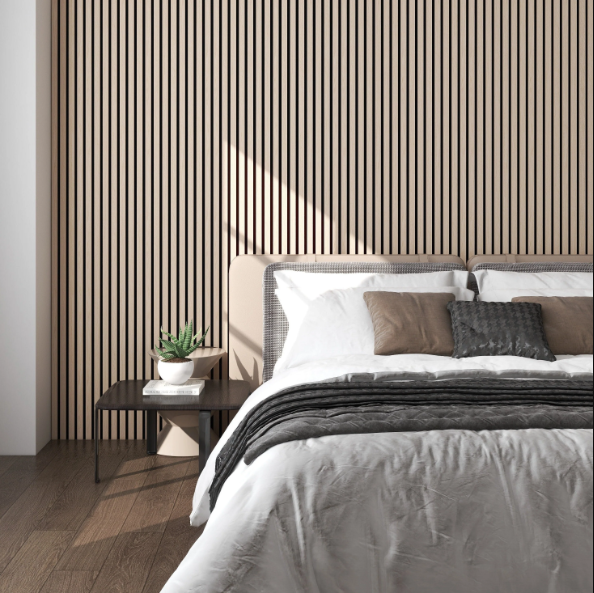
The living room feature wall is a classic for a reason. Installing fluted panels behind a sofa or TV creates an instant focal point that feels both modern and timeless. But don’t stop there. Think about using them to build a stunning floor-to-ceiling headboard in a bedroom for a touch of hotel-like luxury. You can also wrap a kitchen island, upgrade plain closet doors, or add dimension to a hallway. Because they are so easy to customize, our collection of wall panels lets you match any color scheme, giving you complete creative control over your home’s design.
Beyond the Walls: Ceilings and Furniture Upgrades
While accent walls get a lot of attention, don't forget to look up. Applying fluted panels to a ceiling adds an unexpected layer of architectural detail that draws the eye upward, creating the illusion of height. The linear pattern can also help define a specific area, like a dining space within an open-concept floor plan. Imagine how recessed lighting would interact with the grooves, creating a dynamic play of light and shadow. Using fluted panels on the ceiling turns an often-ignored surface into a sophisticated design feature.
These panels are also perfect for breathing new life into furniture. You can easily transform a basic cabinet into a custom piece or give a dated kitchen island a modern facelift by wrapping it in panels. Think about upgrading plain closet doors or building a stylish reception desk for a commercial space. Because these versatile panels are easy to cut and install, they’re a great material for DIY projects that look professionally done. It’s a simple way to add texture and a high-end feel to furniture without starting from scratch.
Commercial Spaces: Lobbies, Offices, and Retail
First impressions matter in business, and fluted panels deliver a high-end, professional look. They are perfect for creating a memorable experience in commercial spaces like lobbies, offices, and retail stores. Imagine a sleek reception desk clad in dark, fluted panels or a sophisticated feature wall displaying a company logo. In a retail setting, they can be used to define different zones or create eye-catching product displays. These panels add warmth and dimension, making any commercial environment feel more inviting and thoughtfully designed. For contractors and designers working on these projects, we offer special pricing through our trade program.
Creative Ways to Use Fluted MDF in Kitchens and Bathrooms
Yes, you can absolutely use fluted MDF in kitchens and bathrooms—you just need to choose the right product and finish. Many paintable panels offer good moisture resistance, making them a great choice for adding texture to a powder room wall or the front of a kitchen island. Since fluted MDF panels are designed to be paint-ready, you can seal them with moisture-resistant paint for extra protection and a custom color finish. While we wouldn't recommend them for a shower enclosure, they are perfect for areas with indirect moisture. This allows you to carry a consistent design element into every room of the house.
Design Styles That Pair Perfectly with Fluted Panels
One of the best things about fluted MDF panels is their incredible versatility. They aren’t just a one-trick pony for a single aesthetic; they adapt to fit a wide range of interior design styles, from sleek and contemporary to warm and organic. Because they add texture and depth without overwhelming a room, they can serve as a subtle backdrop or a statement-making feature wall. The secret is in their simple, repeating lines, which create a dynamic play of light and shadow that adds instant character. Whether your style is clean and simple or bold and dramatic, there’s a way to make fluted panels work for you. They offer a sophisticated solution for adding visual interest to any space, and as a rising trend in modern architecture, they're showing up everywhere from high-end homes to chic commercial interiors. You can paint them any color, stain them to look like natural wood, or leave them with a simple finish. This adaptability makes them a favorite for designers and homeowners who want a custom look without a complicated process. Below, we’ll explore how you can use them to complement some of today's most popular design movements.
Perfect for Minimalist and Scandi Designs
Minimalist and Scandinavian designs are all about clean lines, functionality, and a sense of calm. These styles avoid clutter, focusing instead on texture and light to create warmth. Fluted panels fit in perfectly here. A feature wall made from Paint and Stain Grade Panels painted in a soft white or a muted neutral tone adds subtle dimension without disrupting the serene atmosphere. The vertical lines draw the eye upward, making a room feel taller and more open, while the gentle shadows created by the grooves add a layer of texture that keeps the space from feeling flat or sterile. It’s a simple way to introduce character while staying true to a “less is more” philosophy.
A Great Fit for Modern and Industrial Spaces
Modern and industrial interiors often celebrate raw materials, geometric shapes, and a functional, uncluttered approach. Think exposed brick, polished concrete, and metal accents. Fluted panels can soften these harder elements while complementing their linear nature. The clean, repeating lines of the panels echo the structured feel of industrial architecture, but their texture adds a touch of refinement. In a commercial lobby or a modern loft, a wall of dark-stained or black fluted panels creates a dramatic, sophisticated focal point. They bridge the gap between raw and refined, making them a go-to for designers looking to add polished texture to a contemporary space.
Enhancing Natural and Biophilic Interiors
Biophilic design focuses on bringing the outdoors in to create a stronger connection with nature. This trend uses natural materials, earthy colors, and plenty of plant life. Fluted panels, especially those with a realistic wood grain, are a natural fit. The vertical grooves can evoke the feeling of a dense forest or a field of reeds, adding an organic rhythm to a room. Paired with large windows, natural light, and lots of greenery, Natural Veneer Wall Panels can transform a space into a calming retreat. They provide a textural backdrop that enhances the natural elements in the room, creating a cohesive and peaceful environment.
Add a Modern Twist to Art Deco Style
Art Deco is known for its glamour, symmetry, and bold geometric patterns. While it originated a century ago, its core principles are making a comeback in a more modern, streamlined way. Fluted details were a hallmark of original Art Deco design, and today’s panels offer a fresh take on that classic look. Use fluted panels to create an accent wall behind a velvet sofa or as a custom headboard. To capture that luxe Art Deco feel, choose a deep, rich color like emerald green, navy, or even a dramatic black. The repeating vertical lines provide the symmetry and rhythm that define the style, adding a dose of sophisticated drama to any room.
Common Myths About Fluted MDF, Debunked
Fluted MDF panels are a fantastic design tool, but like any popular material, they’re surrounded by a few myths. If you’ve heard things that make you hesitant, let’s clear the air. Understanding the facts can help you feel confident about choosing these stylish panels for your project. We’ll walk through some of the most common misconceptions and set the record straight so you can move forward with your design plans.
Myth #1: Fluted Panels Are Hard to Clean
This is one of the biggest misunderstandings about fluted panels. The truth is, they are incredibly low-maintenance. Unlike natural wood that might need periodic sealing or special treatments, fluted MDF is simple to care for. For routine cleaning, all you need is a soft, damp cloth to wipe away dust and smudges. The smooth, consistent surface of MDF doesn't have the pores and knots of solid wood, making it less likely to trap dirt. This easy upkeep makes them a practical choice for busy homes and commercial spaces alike, ensuring your beautiful wall panels look great for years with minimal effort.
Myth #2: You Can't Use Them in Damp Spaces
The idea that all MDF will immediately swell and fall apart at the first sign of moisture is outdated. While standard MDF isn't ideal for high-humidity areas, many modern fluted panels are specifically engineered to be moisture-resistant. These options are perfect for adding texture to bathrooms, laundry rooms, or kitchens without worrying about water damage. For an even more durable solution in wet environments, you can also explore materials like Interior WPC Fluted Slat Wall Panels, which are fully waterproof. The key is to select the right product for the space and ensure it’s installed correctly.
Myth #3: MDF Isn't a Safe or Healthy Choice
Concerns about formaldehyde and air quality are valid, but today’s manufacturing standards are much stricter than they used to be. Reputable manufacturers produce MDF panels that meet stringent safety standards, using low-VOC (volatile organic compound) resins and adhesives. This means the panels have minimal impact on your indoor air quality. When you source your materials from a trusted supplier, you can be sure you’re getting a product that is safe for your home or business. Always check the product specifications to confirm they comply with current health and safety regulations for peace of mind.
How to Install Fluted MDF Panels Yourself
One of the best things about fluted MDF is how simple it is to install. You don’t need a workshop full of specialized equipment to create a stunning feature wall. With careful prep and a few basic tools, you can completely transform a room in an afternoon. Whether you’re a seasoned contractor or a weekend DIY warrior, this project is well within reach. The key is to work methodically, measure twice, and ensure your surface is ready before you begin. Let’s walk through exactly what you’ll need and the steps to get it done right.
Everything You'll Need: Tools and Materials
You can achieve a professional-looking installation without any advanced skills. Most of the items you’ll need are probably already in your garage or can be picked up at any hardware store. Before you start, gather your materials to make the process go smoothly.
Here’s a basic checklist:
- Your chosen fluted wall panels
- Measuring tape
- Pencil
- Level
- Fine-tooth saw (a circular saw or miter saw works best for clean cuts)
- Construction adhesive
- Caulking gun
- Brad nailer with finishing nails (optional, but recommended for extra security)
- Sandpaper or a sanding block
- Wood filler
- Paint or stain and brushes/rollers (if you're using unfinished panels)
A Step-by-Step Installation Guide
Ready to get started? Follow these steps for a seamless installation. First, make sure your wall is clean, dry, and smooth. Patch any holes and sand down bumps for a flat surface. Acclimate your panels by letting them sit in the room for 48 hours so they can adjust to the temperature and humidity.
- Measure and Mark: Measure the height and width of your wall. Use a level and pencil to draw a guideline for your first panel to ensure it goes on perfectly straight.
- Cut Your Panels: Carefully measure and cut your panels to the required height using a fine-toothed saw. Cutting from the back can help prevent splintering on the fluted face.
- Apply Adhesive: Apply a generous amount of construction adhesive to the back of your first panel in a zigzag pattern.
- Secure the Panel: Press the panel firmly against the wall, aligning it with your guideline. For extra hold, use a brad nailer to place a few finishing nails along the top, bottom, and into the grooves where they’ll be less visible.
- Repeat: Continue with the next panels, making sure the tongue-and-groove edges fit together snugly.
- Finishing Touches: Once all panels are up, fill any nail holes with wood filler. After it dries, lightly sand it smooth. Caulk the seams and edges for a clean, finished look. If you’re using unfinished panels, now is the time to prime and paint or stain them.
Pro Finishing Tips: Caulking and Painting
The final touches are what separate a good DIY project from a great one. After your panels are installed, take the time to fill any nail holes with a bit of wood filler. Once it’s dry, a light sanding will make them disappear completely. Next, apply a thin bead of paintable caulk along the top and bottom edges where the panels meet the ceiling and baseboards, as well as in the corners. This simple step closes any small gaps and gives your wall a seamless, professionally finished look. When it comes to painting your unfinished wood wall panels, a quality primer is your best friend. For the final coat, consider an eggshell finish, especially in high-traffic areas, as it’s more durable and easier to clean than a flat paint.
Important Safety Considerations for Installation
A successful installation starts long before you pick up the adhesive. First, focus on your wall. It needs to be clean, dry, and as smooth as possible. Take the time to patch any holes or significant cracks and sand down any bumps that could prevent the panels from sitting flat. This prep work is crucial for a secure bond. Just as important is acclimation. Let your panels rest in the room where they will be installed for at least 48 hours. This allows the MDF to adjust to the specific temperature and humidity of the space, which helps prevent any potential warping or shrinking after they’re on the wall. Skipping this step is a common mistake that can compromise your entire project.
Mounting a TV on a Fluted Wall
This is a critical point: never mount a TV directly onto the fluted panels themselves. The panels are a decorative surface, not a structural support, and they cannot hold the weight of a television. The correct method is to locate the wall studs and install your TV mounting bracket directly and securely to them. Once the bracket is in place, you can measure and cut your fluted panels to fit neatly around it. This ensures your TV is safely supported by the wall’s framework, while the panels provide a beautiful, uninterrupted backdrop. It gives you the best of both worlds—style and safety.
Installing Near Heat Sources
While fluted MDF panels are versatile, you need to be mindful when installing them near sources of heat like fireplaces, wood stoves, or radiators. To prevent any risk of damage or fire hazard, it’s essential to maintain a safe distance. As a general rule, keep at least 18 inches (about 45cm) of clearance between the wall panel and the heat source. This buffer zone helps protect the panels from warping, discoloration, or other heat-related damage, ensuring your installation remains safe and looks great for the long term. Always check the specific recommendations from your heat source manufacturer as well.
Should You DIY or Hire a Pro?
Deciding whether to install the panels yourself or hire a pro often comes down to time, confidence, and the complexity of the job. For a straightforward accent wall, a DIY installation is a fantastic way to save money and gives you complete control over the final result. The process is very forgiving, and many homeowners find it to be a satisfying project.
However, there are times when calling a professional is the right move. If your project involves tricky cuts around outlets, windows, or complex corners, a skilled carpenter can ensure a flawless finish. Likewise, if your walls are particularly uneven, a pro will know how to prep the surface correctly. For contractors and designers, offering installation services can be a great value-add for clients. If you’re a trade professional, you can get special pricing by signing up for a trade account.
How to Choose the Best Fluted MDF Panels
Once you’ve decided to use fluted MDF, the next step is finding the right product for your project. Not all panels are created equal, and the supplier you choose can make a huge difference in the final result. Think about factors like the quality of the material, the customization options available, and how easily you can get the panels delivered to your job site. Making a smart choice here ensures your project runs smoothly and looks fantastic for years to come.
What to Look for in a High-Quality Panel
The foundation of a great fluted panel is the material itself. Look for panels made from strong, machine-grade Medium Density Fiberboard (MDF), as this ensures stability and durability over time. High-quality panels provide a perfect canvas, whether you plan to paint them or prefer a pre-finished look. You can find them unfinished and ready for your custom touch, primed white for convenience, or covered in a 3D laminate. The fluted design itself is meant to create beautiful patterns of light and shadow, and a well-made panel will have crisp, consistent grooves that really make that effect pop and add texture to your space.
Ordering Samples and Understanding Policies
Colors on a screen can be misleading, and texture is something you really need to feel. Before you commit to a full order, it’s a smart move to get your hands on a few samples. Many suppliers offer them for a small fee, and as one source notes, this cost is sometimes refunded when you place your final order. This lets you see how the panels look in your room’s specific lighting and how they feel to the touch. While you’re at it, take a moment to review the company’s shipping and return policies. Understanding these details upfront can save you a lot of hassle later on. It’s a simple, low-risk step that ensures you’ll be completely happy with your choice of wall panels.
Considering Eco-Friendly Options
When you hear "engineered wood," you might not immediately think "eco-friendly," but modern MDF is often a very sustainable choice. Many manufacturers use recycled wood fibers or wood sourced from sustainably managed tree farms, which helps reduce waste and protect natural forests. According to one industry source, using these farmed wood fibers makes MDF a good choice for the environment. By choosing a product like our Unfinished Wood Wall Panels, you’re opting for a material that makes the most of our wood resources. Some companies even take it a step further by planting a tree for every box sold. Looking for suppliers with these kinds of practices is a great way to ensure your design choices are as responsible as they are beautiful.
Why Custom Options from Your Supplier Matter
Your project has unique needs, and your supplier should be able to meet them. The best suppliers offer a range of customization options that allow you to get the perfect fit and finish. This might include ordering panels cut to a specific size, which saves you time and reduces waste on-site. It also means having access to a wide variety of finishes, from different wood grains to stone looks. A supplier that provides these choices acts more like a partner in your design process, helping you bring your exact vision to life. Having a diverse collection of wall panels to choose from is a great sign you're in the right place.
The Importance of Nationwide Shipping
Don't let your location limit your access to top-quality materials. A supplier with reliable nationwide shipping is essential, especially if you aren't near a major city. Look for companies that can get your order to you quickly, often within just a few business days. This keeps your project on schedule and avoids frustrating delays waiting for materials to arrive. Many suppliers also offer free or discounted shipping for larger orders, which can make a big impact on your budget. Fast and affordable shipping means you can source the best possible fluted MDF panels for your project, no matter where you are.
What Do Fluted MDF Panels Cost?
One of the biggest draws of fluted MDF is its ability to deliver a sophisticated, high-end look without the hefty price tag. It’s an accessible material that allows you to add architectural interest to a space on a realistic budget. But what exactly goes into the final cost? Several factors come into play, from the finish you choose to the supplier you work with. Understanding these elements will help you plan your project budget effectively and make the most of this versatile material.
What Factors Influence the Price?
Fluted MDF is known for being budget-friendly, with many prefinished wall panels staying under $10 per square foot. The final price, however, depends on a few key details. Unfinished panels are typically the most affordable option, giving you a blank canvas to paint or stain yourself. Prefinished panels, whether painted, primed, or covered in a wood veneer, will cost a bit more but save you significant time and labor during installation. The thickness of the panel and the complexity of the fluted design can also influence the price. Thicker panels or those with intricate custom grooves will naturally have a higher cost than standard options.
Understanding Panel Dimensions and Coverage
Before you can finalize your budget, you need to figure out exactly how many panels you’ll need. Panel sizes can vary, so always start by checking the product specifications for the specific wall panels you're considering. Suppliers typically list the height and width of each panel and the total square footage a single panel or a box of panels will cover. For example, some panels might be sold in boxes of three that cover just over 23 square feet. To determine your needs, measure the height and width of your wall to calculate the total square footage. Then, divide that number by the coverage per panel or box. It’s always a smart move to order about 10% extra to account for any mistakes or tricky cuts.
Fluted MDF vs. Solid Wood: A Cost Comparison
When you’re aiming for a textured, wood-like finish, solid wood is often the first material that comes to mind. While beautiful, solid wood planks can be expensive and may require more maintenance over time. Fluted MDF offers a fantastic, cost-effective alternative that doesn’t sacrifice style. Because it’s an engineered product, MDF is dimensionally stable and less likely to warp or crack with changes in humidity. This makes it a reliable choice for creating consistent, seamless feature walls. You get the visual impact of a fluted wood wall at a fraction of the cost, freeing up your budget for other elements of your design.
Are You a Trade Pro? Ask About Special Pricing
If you’re a contractor, interior designer, or builder, the per-panel price is just the starting point. For larger commercial or residential projects, fluted MDF becomes an even more economical choice. Many suppliers offer special pricing and bulk discounts for industry professionals, which can significantly lower the overall material cost. This allows you to specify a high-impact design feature for your clients while keeping the project on budget. By partnering with a supplier, you can often access exclusive rates that make it possible to use these panels across multiple rooms or in large-scale installations. You can see if you qualify by filling out a trade application to get access to these benefits.
Ready to Start Your Fluted MDF Project?
Ready to bring the texture and sophistication of fluted MDF into your space? The final steps—ordering your panels and learning how to care for them—are straightforward. Making sure you get the right product for your project and keeping it in top condition will ensure you love the results for years to come. Here’s what you need to know to finalize your purchase and maintain your beautiful new feature walls.
Ready to Order? Here’s How
Before you commit to a full order, it’s always a good idea to get your hands on a few samples. Seeing the panels in your own space allows you to observe how the color and texture interact with your room’s lighting throughout the day. Many suppliers will even refund the cost of samples when you place your final order. This step helps you move forward with confidence, knowing you’ve made the perfect choice. When you’re ready to buy, you’ll find that most wall panels come in a paint-grade finish, giving you a perfect blank canvas to match any color scheme you can imagine.
How to Care for Your Panels for Years to Come
Keeping your fluted panels looking pristine is simpler than you might think. For routine cleaning, a quick dusting with a soft cloth or a vacuum cleaner with a brush attachment is all you need to keep them free of dust. If you notice a scuff or a stain, gently wipe the area with a damp, well-wrung cloth and a bit of mild soap. It’s important to avoid harsh chemical cleaners, as they can damage the panel’s surface. For panels installed in high-traffic areas like hallways or commercial spaces, consider using a durable eggshell or satin paint finish, which makes cleaning even easier and adds extra resilience.