
Stone Wall Panel 101: Your Ultimate Guide
Dreaming of a stone exterior but dreading the cost and complexity? I get it. Hiring a mason feels like a huge commitment. But what if you could achieve that gorgeous, high-end look yourself? With a modern stone wall panel, you absolutely can. These lightweight systems are a game-changer for DIY projects, making a stunning stone facade a manageable weekend job. This guide will walk you through every step—from prepping the surface to the final seal—so you can confidently transform your home's exterior.
Key Takeaways
- Match the material to your project's needs: Decide if your priority is a budget-friendly DIY installation (faux stone), timeless authenticity (natural stone), or maximum durability (fiber cement) to find the perfect fit for your home.
- Proper prep work prevents future headaches: Before you start, make sure your walls are clean, sound, and correctly weatherproofed. A quick check on local building codes is a non-negotiable step for a safe and compliant installation.
- Think beyond the price tag for the best value: Your total cost includes materials, installation, and long-term maintenance. Save money without sacrificing quality by looking for online bulk discounts or using a trade program for professional pricing.
What Are Exterior Stone Wall Panels, Anyway?
If you love the timeless, rugged look of a stone exterior but aren't so keen on the cost and complexity of traditional masonry, exterior stone wall panels are the perfect solution. Often called stone veneer or faux stone, these panels are a man-made material designed to perfectly replicate the look and feel of natural stone. They capture the authentic texture and color variations of real stone because they are often cast from molds of the real thing.
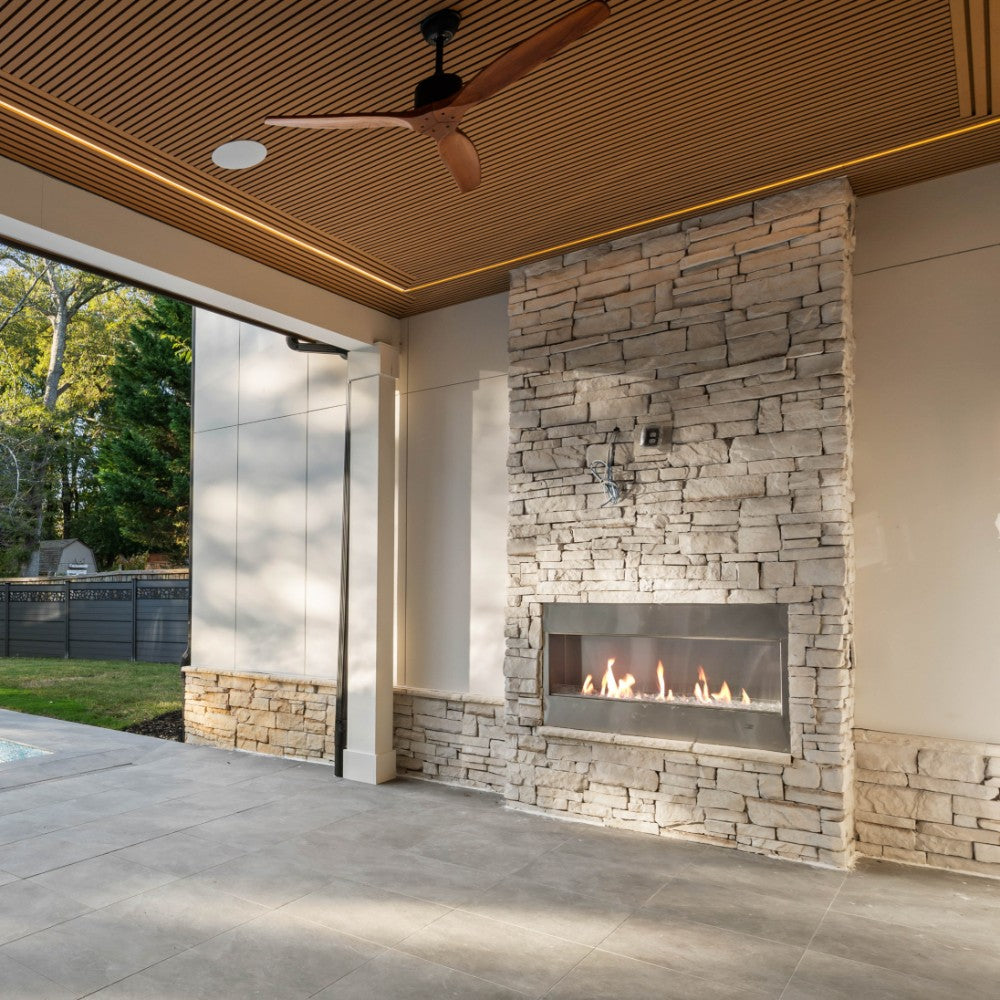
The main idea is to give you the high-end aesthetic of a stone facade without the demanding installation process and heavy structural requirements. Unlike solid stone, these lightweight wall panels can be installed over existing walls, making them a fantastic option for both new construction and renovation projects. They offer a practical way to add stunning curb appeal, create a beautiful accent wall on a patio, or completely transform your home’s exterior with a durable, modern finish.
Understanding the Different Types
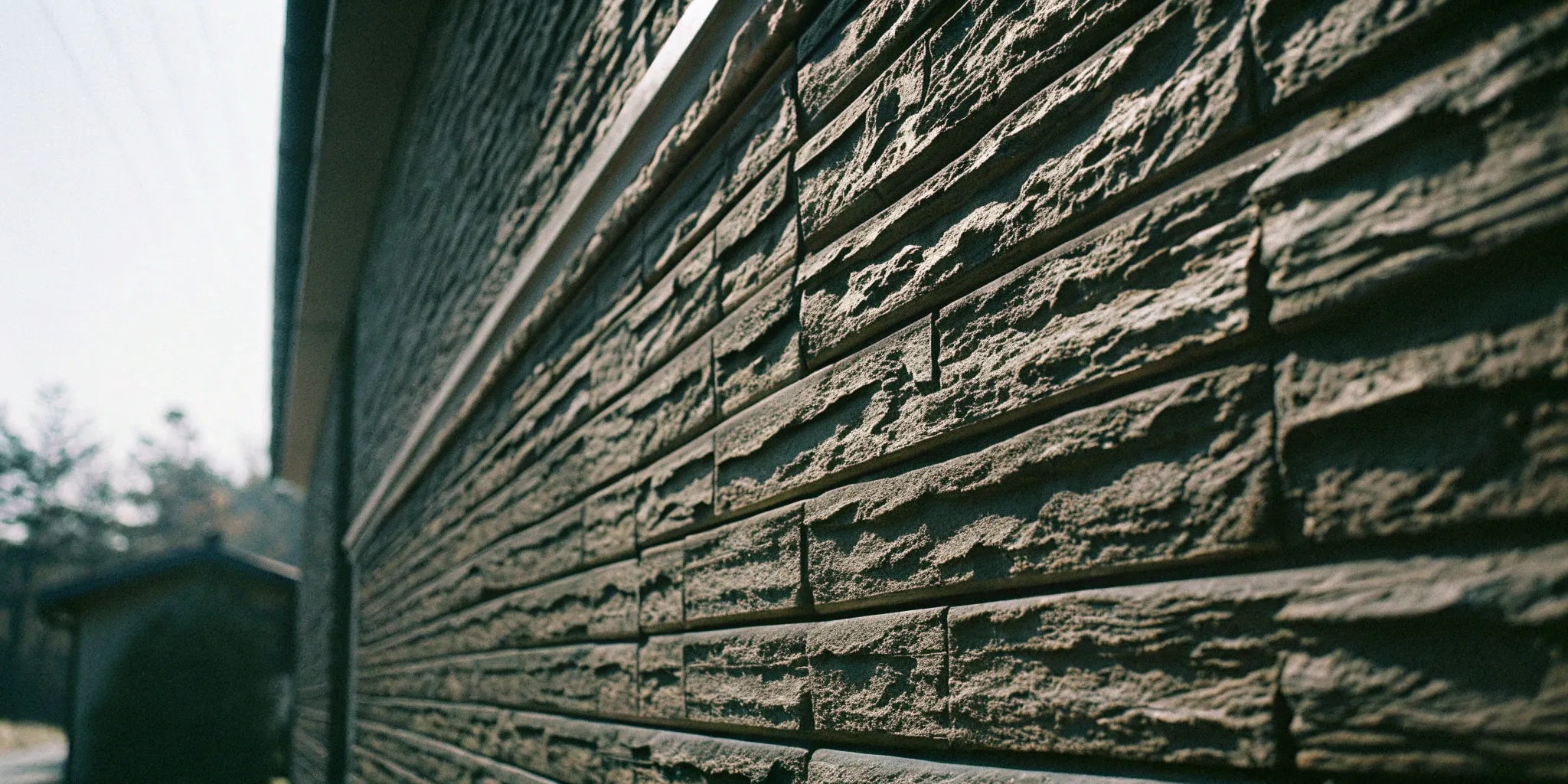
One of the best things about stone panels is the sheer variety of styles available. You aren’t limited to just one look. You can find panels that mimic everything from the smooth, rounded shapes of Riverstone to the rough, stacked appearance of Ledgestone or the chiseled look of Quarry Stone. This variety makes it easy to find a texture that matches your home’s architectural style, whether it’s rustic, modern, or traditional. To achieve such a realistic appearance, manufacturers often use actual stones to create the molds and then hand-paint the panels with multiple layers of color to capture natural variations.
Beyond the Exterior: Interior Applications
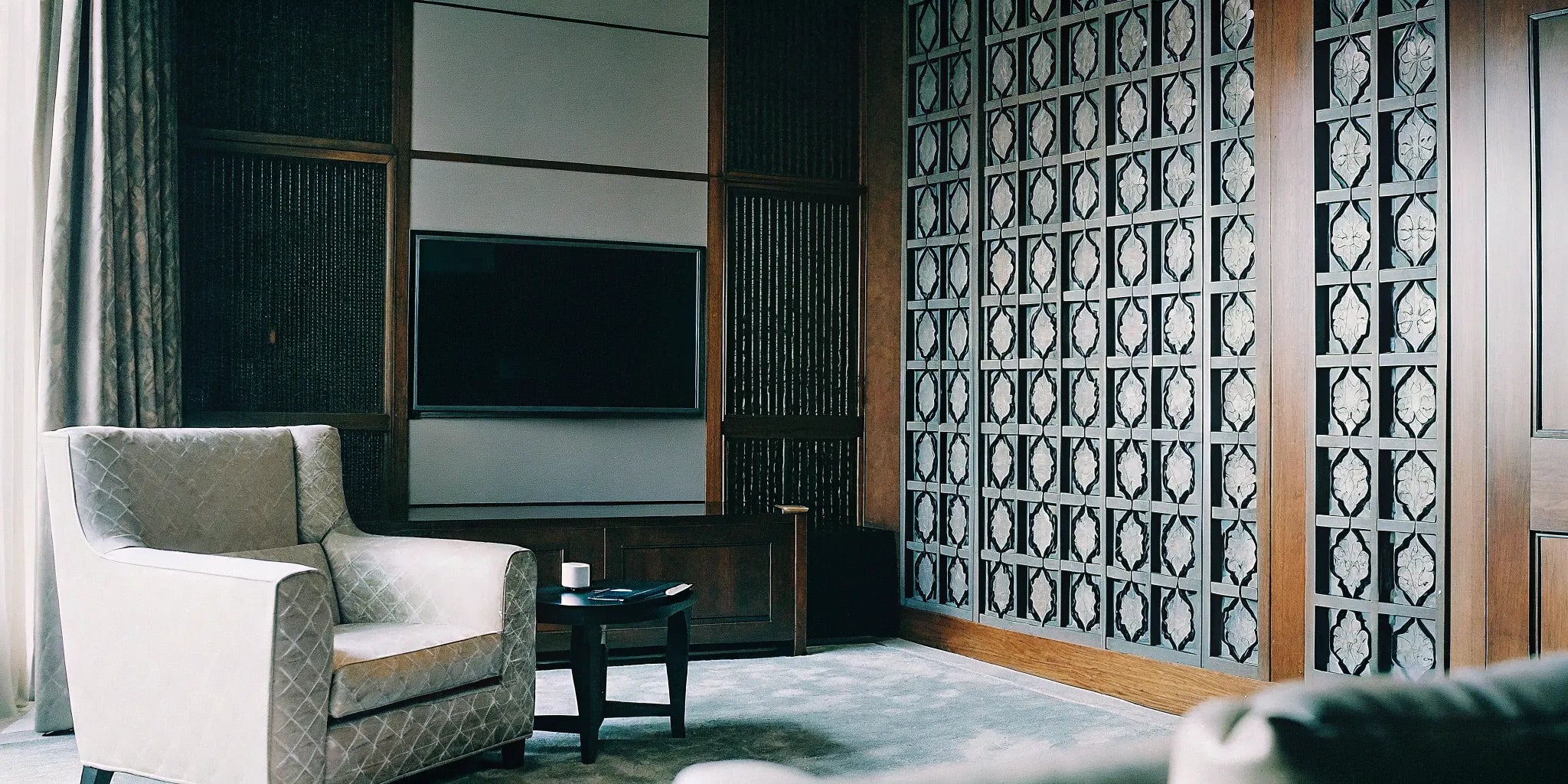
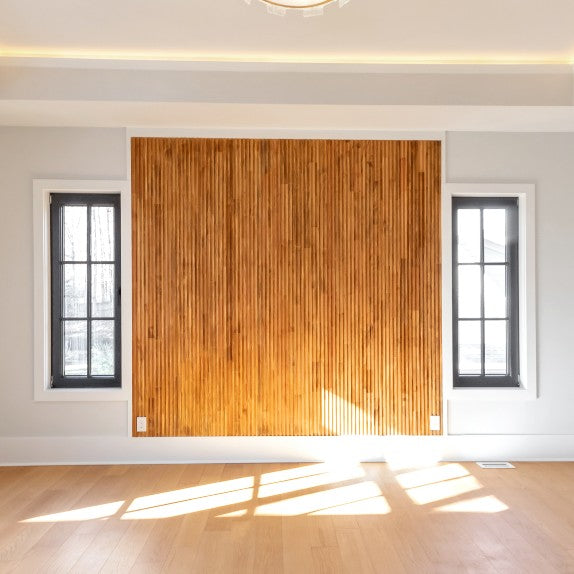
While these panels are fantastic for boosting curb appeal, their design potential doesn't stop at the front door. Bringing that same rugged, natural texture inside can completely change the feel of a room. Think about creating a stunning accent wall behind your TV, a rustic fireplace surround, or a unique kitchen backsplash that’s both durable and stylish. Because they are lightweight and easy to install, you can add the high-end look of stone in just a few hours, not days. This makes them a perfect solution for adding character and warmth to living rooms, home offices, or entryways. Many modern interior wall panels offer unique textures that serve as a beautiful focal point, giving you a custom look without the custom price tag or complicated masonry work.
Why Stone Panels Are a Smart Choice for Your Home
Stone panels are a fantastic alternative to natural stone for a few key reasons. First, they give your home an authentic stone look without the high cost. Second, their lightweight nature makes installation much simpler and faster, and many are designed specifically for DIY projects. This means you can save a significant amount on labor costs. Beyond aesthetics and ease of use, these panels are built to last. They are incredibly durable and engineered to handle harsh weather, from intense sunlight and moisture to extreme temperatures, ensuring your home’s exterior looks great for years to come.
Comparing the Best Materials for Stone Panels
When you decide to add stone panels to your home, you’ll find that "stone" can mean a few different things. The material you choose impacts your project's budget, installation, and final look. Understanding your options makes it much easier to pick the right fit for your home. Let’s break down the four most common materials for exterior stone panels so you can compare them side-by-side and choose with confidence.
Faux Stone: The Lightweight & Versatile Choice
If you love the look of stone but want a budget-friendly and DIY-approachable option, faux stone panels are a fantastic choice. Made from high-density polyurethane, these panels are molded from real stones to capture their natural texture. Because they’re so lightweight, you don’t need to reinforce your walls, and the installation process is straightforward enough for a weekend project. High-quality faux stone is hand-painted in layers to create a surprisingly realistic appearance, giving you that classic stone look without the heavy lifting or high price tag.
The Art of Realism: Manufacturing and Hand-Painting
The secret to high-quality faux stone is in the details. These panels are crafted to look and feel like real stone because they are cast in molds made from actual stones. This process captures every natural crevice, edge, and surface texture, ensuring the final product isn't just a flat image of stone but a dimensional replica. To take the realism even further, skilled artisans often hand-paint each panel. This isn't a quick, single-coat job; it can involve applying up to 12 distinct layers of paint to achieve the subtle color variations and depth you'd see in a natural quarry stone. This meticulous attention to detail is what separates premium panels from cheaper alternatives and gives your home an authentic, high-end finish.
Understanding 3D Textures and Finishes
A key feature of faux stone panels is their three-dimensional texture, which prevents the flat, repetitive look that can make a project feel artificial. Even when panels are the same color and style, each one often has a unique surface texture. When you install them side-by-side, their varied depths and patterns create a dynamic 3D effect with authentic shadows and highlights. This design versatility allows you to arrange them in different ways to customize the final look. Most systems also feature interlocking edges or shiplap designs that help hide the seams between panels, resulting in a continuous and professional-looking stone facade that looks like it was built by a master mason.
Material Safety for Indoor Use
While we're focused on exteriors, it's worth noting that many faux stone panels are also perfectly safe for indoor projects. They are typically made from high-quality polyurethane (PU), a stable and durable material. Most importantly, reputable manufacturers ensure their panels are free from harmful chemicals like formaldehyde and volatile organic compounds (VOCs). VOCs are chemicals that can be released into the air, impacting indoor air quality. By choosing VOC-free panels, you can confidently use them to create a stunning accent wall in a living room, kitchen, or basement without worrying about bringing harmful substances into your home.
Natural Stone Veneer: For an Authentic Look
For pure authenticity, nothing beats natural stone veneer. This is real stone that’s been quarried and cut into thin profiles. Each panel has unique colors and textures, giving your home a one-of-a-kind, timeless character that can’t be duplicated. Natural stone is incredibly durable, standing up to harsh weather, fading, and chipping for decades. While it’s a premium material with a higher price point and requires professional installation due to its weight, its longevity and unmatched beauty make it a worthwhile investment for many homeowners.
Manufactured Stone: Your Customizable Option
Manufactured stone offers a great middle ground between natural stone and faux panels. Also known as cultured stone, this material is made from a concrete mixture that’s poured into molds and colored with pigments to look like real stone. It’s lighter than natural stone, which simplifies installation and reduces costs, but more substantial than polyurethane faux stone. Because it’s a man-made material, you get a consistent product with a huge variety of styles and colors, making it easy to match your design vision.
Fiber Cement: Built for Durability
If durability is your top priority, fiber cement is a serious contender. This composite material, made from cement, sand, and cellulose fibers, is engineered to withstand almost anything—from fire and insects to rot and extreme weather. While it’s not stone, advanced manufacturing allows fiber cement panels to be molded with a realistic stone texture. This gives you the rugged aesthetic of stone with unparalleled performance and low maintenance. Our fiber cement boards offer a modern, resilient solution for exterior cladding, providing both strength and style for any project.
Exploring Popular Styles and Finishes
One of the best parts about choosing stone panels is the incredible range of styles you can find. You're not stuck with a single look. Whether you prefer the rough, organic texture of stacked Ledgestone, the smooth, rounded feel of Riverstone, or the classic chiseled appearance of Quarry Stone, there's a design to fit your home's personality. This variety ensures you can find the perfect match for any architectural style, from a cozy rustic cabin to a sleek modern build. The right choice can dramatically influence your home's curb appeal, creating a welcoming entryway or a bold, contemporary statement. The goal is to find a texture and pattern that complements your existing design and adds authentic character.
So, how do these panels look so much like the real thing? The secret lies in a meticulous manufacturing process. High-quality panels, especially faux stone options, are cast in molds made from actual stones, which captures every natural crevice and authentic detail. But the realism doesn't stop there. To complete the effect, skilled artisans then hand-paint each panel with multiple layers of color, recreating the subtle tonal variations and depth found in nature. This careful, hands-on approach is why modern stone veneer panels so convincingly mimic genuine stone, giving you a stunning, high-end finish without the complexity of traditional masonry.
How Much Do Exterior Stone Panels Cost?
Let's talk budget. Adding stone panels to your home's exterior is an investment, but it's one that pays off in curb appeal and durability. The total price tag for your project will come down to three main things: the type of material you choose, the cost of professional installation, and the long-term value you get from your choice. Understanding how these pieces fit together will help you make a smart decision that looks great and fits your finances.
Understanding Material Costs
The material itself is often the biggest part of your budget, and there's a pretty wide price range depending on what you choose. For example, authentic natural stone siding can run anywhere from $15 to $30 per square foot. If you love that look but not the price, a high-quality stone veneer is a great alternative, typically costing between $6 and $9 per square foot. Other options, like durable fiber cement boards, can also offer a similar aesthetic at a more accessible price point, giving you plenty of flexibility to find the right fit for your project.
Panel Sizing, Coverage, and Multi-Packs
When you start shopping for panels, you'll notice they come in specific sizes, which makes planning your project much easier. For instance, a common panel size might be around 41 by 11.25 inches, covering about 3.2 square feet. To figure out how many you need, just measure the total square footage of your project area and divide it by the coverage per panel. It’s always a good idea to add about 10% extra to account for cuts and mistakes. For larger projects, look for multi-packs. Some suppliers offer packs of four panels that can cover a larger area, like 31 square feet, which often provides a better value than buying individual pieces.
A Look at the Wide Range of Pricing
The price of stone panels can vary significantly based on the material and design complexity. You might find some faux stone panels for around $55 each, making them an accessible option for many budgets. On the other end of the spectrum, high-end or natural stone panels can range from a few hundred to several thousand dollars for a single, large-format panel. This wide range is actually great news because it means there’s likely a product that fits both your aesthetic goals and your budget. The key is to balance the initial cost with the long-term durability and look you want to achieve for your home.
Factoring in Samples and Touch-Up Kits
Before you commit to a full order, I always recommend getting a sample. Most companies will let you order a small piece of the panel so you can see its true color and texture in your home’s natural light. This small step can save you from a costly mistake and ensure you’re completely happy with your choice. Additionally, don’t forget to add a touch-up kit to your cart. These kits, which usually cost around $25 to $30, are essential for fixing any minor scuffs or scratches that might happen during installation or over the years, keeping your new stone exterior looking flawless.
Calculating Your Installation Costs
Beyond the panels, you'll need to account for labor costs. This is where the type of material you choose really makes a difference. Heavy, natural stone requires specialized skills and equipment, meaning you'll almost certainly need to hire a professional mason. Lighter materials, on the other hand, are much more forgiving. Faux stone panels are designed to be a great alternative, giving your home a real stone look without the difficult installation. This makes them a popular choice for confident DIY-ers or for homeowners looking to reduce professional labor costs. Always get a few quotes from local contractors to get a clear picture of installation expenses in your area.
Are Stone Panels a Good Investment?
When you're comparing prices, it's easy to focus on the upfront cost, but don't forget to think about the long-term value. A cheaper panel might save you money today, but it could end up costing you more down the road. Some lower-quality materials are prone to fading, cracking, or moisture damage, leading to expensive repairs. As some experts point out, if you have to spend money on repairs later, a cheaper initial deal can turn into a bad deal overall. Investing in durable, low-maintenance wall panels ensures your home's exterior will look fantastic for years to come, making it a smarter financial choice.
Top Stone Wall Panel Brands to Consider
Once you’ve decided on the right material for your project, the next step is finding a brand you can trust. The market has plenty of options, but quality, style, and customer support can vary quite a bit. Let’s look at what makes a great supplier and what real customers have to say.
Why Choose USA Builders Depot?
When you’re looking for that authentic stone aesthetic without the hefty price tag and complex installation, USA Builders Depot is a fantastic place to start. They offer a wide variety of high-quality wall panels designed to be both stylish and incredibly durable. Whether you're a homeowner tackling a weekend project or a contractor sourcing materials for a large build, you can find a design that fits your vision and budget. Their focus is on providing products that deliver the high-end look of real stone while being practical and long-lasting, which is a win-win for any exterior renovation.
How Other Popular Brands Stack Up
Of course, it’s always smart to see what else is out there. As you explore different brands, you’ll notice that some specialize in ultra-lightweight panels that are simple to install, while others focus on using eco-friendly or recycled materials. Each brand has its own strengths, so it’s worth comparing features, pricing, and warranties to find the perfect match for your specific needs. Taking the time to weigh your options ensures you’re making an informed decision that you’ll be happy with for years to come. For trade professionals, it's also worth seeing if companies offer a trade program for bulk discounts.
Signs of a Reputable Brand
When you're comparing brands, it's important to look past the pretty pictures and dig a little deeper. A truly reputable company prioritizes quality and durability, offering products designed to withstand the elements and look great for years. You'll also notice they provide a wide selection of styles and materials, showing they understand that every project is unique. But the most reliable sign of a trustworthy brand is what their past customers have to say. Spend some time reading through customer reviews and testimonials. Honest feedback will give you a clear picture of the product quality, the company's customer service, and the overall experience you can expect, helping you invest with confidence.
What Are Customers Saying?
Customer feedback is one of the best tools you have when choosing a brand. Diving into reviews can give you a clear picture of what to expect from both the product and the company. For USA Builders Depot, customers frequently praise the realistic appearance and impressive durability of their panels. Many reviews also highlight the helpful customer service, which can make a huge difference during a project. As with any major purchase, it’s a good idea to read a mix of feedback to get a well-rounded view before you commit.
What to Know Before You Install Stone Panels
Jumping into a project like installing exterior stone panels is exciting—it’s a step that completely transforms your home’s curb appeal. But before you get to the satisfying part of seeing it all come together, a little prep work is essential. Taking the time to properly assess your walls, check for structural needs, and understand local rules will save you from major headaches down the road. Think of it as building a strong foundation for your beautiful new exterior. A successful, long-lasting installation starts long before the first panel goes up.
How to Prepare Your Walls for Installation
First things first: your wall surface needs to be ready for its new look. Proper preparation is crucial to ensure the stone panels adhere correctly and stay secure for years. Start by giving the wall a thorough cleaning to remove any dirt, dust, or grime. Next, inspect the surface for any damage like cracks, holes, or uneven spots and make the necessary repairs. The goal is a clean, smooth, and structurally sound surface. Whether you’re working with wood, brick, or another material, ensuring it’s in top condition is the best way to guarantee a professional-looking finish that lasts.
A Note on Initial Product Odor
When you first unbox your new stone wall panels, you might notice a slight smell. Don't worry—this is completely normal, especially with high-quality polyurethane panels. The odor usually comes from the protective coating applied during manufacturing to ensure the panels arrive in perfect condition, and it's a sign of a fresh, new product, not a defect. This scent is temporary and should completely disappear within about 72 hours after you've unpacked the panels and let them air out. The material itself is designed to be lightweight, durable, and safe for your home, so you can feel confident moving forward with your installation once the initial smell has faded.
Check for Proper Structural Support
Beyond a clean surface, you need to be sure your wall can handle the added weight of the stone panels. Make sure the wall is strong enough before you start. Depending on the material you choose, this could add significant load to your home’s structure. It’s also vital to protect your home from moisture. For exterior projects, you must install a water-resistant barrier and proper flashing around windows and doors. This creates a drainage system behind the stone to prevent water damage. Using a durable substrate like fiber cement boards can provide a solid, weather-resistant base for your panels.
Consider Local Building Codes and Your Climate
This step is one you absolutely can’t skip. Before you buy materials or begin installation, always check and follow your local building codes. Different regions have specific requirements for exterior cladding, especially in areas prone to extreme weather like high winds or heavy rain. Your local code enforcement office can provide information on what’s required for your project. Climate also plays a huge role. The installation methods and materials that work well in a dry, arid region might not be suitable for a humid, coastal area. A quick call to your local building authority or a consultation with a local contractor can ensure your project is safe, compliant, and built to withstand your specific climate.
How to Install Exterior Stone Wall Panels
Once you’ve chosen your perfect stone panels, it’s time for installation. This process can transform your home’s exterior in a weekend, but it requires careful planning and the right technique. Whether you’re a seasoned contractor or a hands-on homeowner, understanding the steps involved will ensure a professional-looking and durable finish. From preparing your walls to applying the final weatherproof seal, here’s what you need to know to get the job done right.
DIY vs. Hiring a Pro: Which is Right for You?
One of the best things about modern stone panels, especially faux stone options, is that they’re designed to be DIY-friendly. Unlike heavy, traditional masonry, these lightweight panels don’t require specialized skills or equipment, meaning you can achieve a real stone look without the high cost of hiring a professional. If you’re comfortable with basic tools and have a free weekend, installing the panels yourself is a totally achievable project.
However, it’s smart to call a pro if your project is large-scale, involves multiple stories, or if you’re simply short on time. A professional will have the experience to handle any unexpected issues and ensure the installation meets all local building codes, giving you peace of mind.
A Step-by-Step Guide to Installation
Before you begin, gather your tools: a tape measure, level, saw, drill, construction adhesive, screws, and a caulk gun. First, make sure your exterior wall is clean, dry, and structurally sound. Next, lay your wall panels on the ground to plan the layout; this helps you create a natural-looking pattern by mixing different textures and colors.
To install, apply a quality construction adhesive to the back of a panel and press it firmly onto the wall. For the most secure fit, drive screws through the panel and into the wall, especially along the top and bottom edges. Continue this process, interlocking the panels as you go. Finally, use a textured caulk to fill any small gaps for a seamless, waterproof finish.
Working with Complete Installation Systems
To simplify the installation, many brands offer complete systems that bundle everything you need. These kits often feature interlocking panels that fit together seamlessly, taking the guesswork out of alignment and ensuring a tight, professional-looking fit. This design is especially helpful for DIY projects because it streamlines the layout process. These systems are engineered to be both lightweight and durable, allowing you to achieve the authentic look of stone without needing to reinforce your walls or hire a mason. When you choose a complete wall panel system, you get a product designed for straightforward installation that stands up to the elements, giving you confidence in your project from start to finish.
Seal and Weatherproof for a Lasting Finish
Most high-quality faux stone panels are built to withstand the elements, including harsh sunlight, moisture, and extreme temperatures. They are incredibly durable and designed for outdoor use without much fuss. However, adding a protective sealant is a great final step to ensure your investment lasts for decades.
Applying a coat of a high-quality exterior sealant is especially important in areas with high moisture, like near a pool or in a rainy climate. This clear coat provides an extra layer of defense against water penetration and UV damage, helping to prevent fading and keeping your stone panels looking brand new. It’s a simple step that adds significant long-term value and protection to your home’s beautiful new exterior.
How to Maintain Your New Stone Wall Panels
One of the best parts about upgrading your home’s exterior with stone wall panels is how little upkeep they require. You get a massive visual impact without signing up for a lifetime of tedious maintenance. Unlike wood siding that needs regular staining or paint that chips and fades, stone panels are built to last. However, a little bit of care will go a long way in keeping them looking as good as the day they were installed.
The type of maintenance you’ll need depends on the material you chose and the climate you live in. Generally, the process is simple and doesn’t require much more than an occasional cleaning. Taking these small steps ensures your investment remains a standout feature of your home for years to come, protecting its curb appeal and value. Think of it less as a chore and more as a quick touch-up to preserve the beauty you worked so hard to create.
Easy Cleaning and Care for Your Stone Panels
For the most part, exterior stone panels are incredibly low-maintenance. Both natural stone and quality manufactured stone veneers are designed to be almost maintenance-free, so you won’t be spending your weekends scrubbing walls. A simple annual cleaning is usually all it takes to remove any accumulated dirt, dust, or pollen.
To clean your panels, use a soft-bristled brush and a bucket of water with a mild detergent. Gently scrub the surface to lift away any grime, then rinse thoroughly with a garden hose. It’s best to avoid using pressure washers, as the high-powered stream can sometimes damage the panel’s surface or grout, doing more harm than good.
How to Protect Your Panels from Weather
Modern stone panels are engineered to be tough. Faux stone, for example, is incredibly durable and can easily handle harsh sunlight, moisture, and extreme temperatures with little to no upkeep. This resilience is a major reason why so many homeowners choose it for their exteriors.
For extra protection in certain environments, applying a sealer is a smart move. If your panels are installed near a pool, in a coastal area with salt spray, or in a region with heavy rainfall, a quality stone sealer can prevent moisture from seeping in and causing long-term damage. This simple step helps preserve the color and integrity of the panels, ensuring they last even longer.
How Long Do Stone Wall Panels Last?
Your panels’ long-term performance really comes down to the material. Natural stone is exceptionally strong, offering incredible resistance to chipping, cracking, and weathering over decades. It’s a timeless choice that holds up beautifully against the elements.
On the other hand, some lower-quality manufactured stone veneers can be more susceptible to damage. These products can sometimes chip or crack, especially in climates with freeze-thaw cycles that cause materials to expand and contract. Understanding these potential disadvantages of manufactured stone can help you make an informed decision and set realistic expectations for the life of your exterior walls.
How to Choose the Perfect Stone Panels for Your Project
Picking the right stone panels can feel like a huge decision, but it doesn't have to be overwhelming. When you break it down, the perfect choice comes down to three key things: your home's style, your local climate, and your budget. Think of these as your guideposts. You want panels that not only look like they belong on your home but can also stand up to the weather without falling apart. And, of course, you need a solution that fits your project's finances without sacrificing quality.
Considering these factors from the start helps you narrow down the vast world of wall panels to a few great options. Whether you’re drawn to the authentic look of natural stone veneer or the versatility of a manufactured alternative, there’s a panel that checks all your boxes. By thinking through your aesthetic goals, practical needs, and financial plan, you can confidently select a material that you’ll love seeing every time you pull into the driveway. Let’s walk through how to balance these three elements to find your ideal match.
How to Match Panels to Your Home's Style
The first step is to find a stone panel that complements your home’s architecture. A modern home might look stunning with sleek, large-format panels, while a rustic farmhouse would be better suited to the rugged, uneven texture of ledgestone. Take a look at your home’s existing features—like the roof color, window trim, and overall design—to guide your choice. Many modern faux stone panels are molded from actual stone and then carefully hand-painted, giving you an authentic look with a consistent finish. This process creates a variety of styles, from classic riverstone to stacked quarry stone, so you can find the perfect texture and color palette to match your vision.
Choosing the Best Panels for Your Climate
Your home’s exterior is its first line of defense against the elements, so choosing a material built for your climate is essential. If you live in an area with harsh winters, you’ll need panels that can handle freeze-thaw cycles without cracking. In a hot, sunny region, you’ll want a material that resists fading from UV exposure. Both natural stone and high-quality faux stone are engineered for durability and can withstand moisture and extreme temperatures. Materials like fiber cement boards are another excellent choice, as they are specifically designed to resist rot, pests, and weather-related damage, ensuring your exterior looks great for years to come.
How to Balance Budget and Quality
For most projects, the budget plays a big role in the final decision. The good news is that you don’t have to choose between price and quality. While natural stone is a premium option, manufactured stone veneer and faux stone panels offer a similar high-end look for a fraction of the cost—often one-third to one-half less than the real thing. These alternatives are lightweight, which can also reduce installation expenses. When planning your budget, think about the long-term value. A durable, low-maintenance panel saves you money over time. For contractors and trade professionals, applying for a trade account can also provide access to bulk pricing and special discounts, making high-quality materials even more affordable.
Why Ordering Samples is a Crucial Step
You wouldn't pick a paint color for your entire house without trying a swatch on the wall first, and the same logic applies to stone panels. What you see on a computer screen can be a great starting point, but it can’t capture the true color, texture, and depth of the material. Ordering a sample allows you to see exactly how the panel looks and feels in your hands. More importantly, you can hold it up against your home’s exterior to see how it interacts with the natural light throughout the day and how it pairs with your existing roof, trim, and landscaping. As some suppliers note, ordering a small sample lets you see its details and quality before committing to a full order, ensuring your final choice is one you’ll love.
Leveraging Project Support Services
Tackling a big exterior project can feel a bit intimidating, especially when it comes to estimating materials and planning the installation. The good news is you don’t have to figure it all out on your own. Many top brands offer project support services to guide you through the process. For example, some companies provide a dedicated coordinator who can help you choose colors, calculate how many panels you need, and answer technical questions. This kind of expert guidance is invaluable for ensuring a smooth, successful project from start to finish. It turns a potentially stressful process into a manageable one, giving you the confidence that you’re making the right choices for your home.
Where to Find the Best Deals on Stone Wall Panels
Getting a great price on exterior stone wall panels doesn’t mean you have to compromise on quality. With a little planning, you can achieve that high-end, textured look for your home’s exterior without stretching your budget too thin. The key is knowing where to look and what to ask for. Whether you’re a homeowner tackling a weekend project or a contractor managing a large build, there are several ways to make your investment go further.
Shopping smart involves more than just comparing price tags. It’s about understanding how suppliers structure their pricing, taking advantage of professional programs, and keeping an eye out for timely promotions. By exploring online bulk discounts, signing up for trade accounts, and learning how to spot a good sale, you can secure premium materials at a much more manageable cost. Let’s walk through the best strategies for finding quality stone panels that fit your project’s financial plan.
How to Find Deals and Discounts Online
One of the most direct ways to save money is by purchasing your wall panels online, especially if your project requires a significant amount of material. Many suppliers offer tiered pricing, which means the cost per panel decreases as your order quantity increases. For example, you might find that buying 25 panels unlocks a better price than buying just a few. This is perfect for covering large exterior walls or multiple areas of your property.
For very large projects, such as a full home exterior or a commercial building, don’t hesitate to reach out to the supplier directly. If you need 150 panels or more, most companies are happy to provide a custom quote that can offer substantial savings over their standard bulk pricing. Always plan your material needs ahead of time to take full advantage of these volume discounts.
Special Pricing for Trade Professionals
If you’re a contractor, builder, or designer, you should absolutely be using a trade program. Most building material suppliers, including us at USA Builders Depot, offer exclusive pricing and services for industry professionals. These programs are designed to build long-term relationships and make your job easier. By signing up, you can often get access to discounts that aren’t available to the general public.
Beyond just better pricing, these programs often come with perks like a dedicated account representative who can help with material selection, calculating quantities, and coordinating logistics. This kind of support saves you time and helps prevent costly ordering mistakes. Take a few minutes to fill out a trade application; it’s a simple step that can lead to significant savings and a smoother project workflow.
How to Spot Promotions and Sales
Keep an eye out for seasonal promotions and sales events, which can be a great opportunity to purchase materials at a lower cost. Suppliers often run discounts around major holidays or at the beginning of peak construction seasons in the spring and fall. The best way to stay informed is to subscribe to the email newsletters of your favorite suppliers. This way, you’ll be the first to know when a sale is happening.
When you’re browsing product pages, look for any highlighted promotional offers or banners advertising a special deal. Sometimes, companies will bundle products or offer a discount on complementary materials. It’s also worth remembering that choosing a cost-effective material from the start, like a high-quality faux stone or fiber cement panel, is a built-in way to save money while still achieving a beautiful and durable finish.
Finding Brands with Buyer-Friendly Policies
A great price is important, but it’s only part of the equation. When you’re making a significant investment in your home, you want to partner with a company that stands behind its products. Before you buy, take a moment to look into the brand’s warranty and return policy. A strong warranty is a clear sign that the manufacturer is confident in the durability and quality of their panels. Similarly, a fair return policy gives you peace of mind, especially when ordering online where colors can look slightly different in person. Excellent customer service is another non-negotiable. Reading through customer feedback can give you a real sense of how a company handles questions or issues, ensuring you have support throughout your project.
Related Articles
Frequently Asked Questions
Can I install stone panels directly over my existing siding or brick? In many cases, yes, but proper preparation is key. For siding, you'll need to ensure it's in good condition and provides a flat, stable surface. For brick or concrete, the main concern is making sure the surface is clean and sound. No matter what you're covering, you must install a water-resistant barrier first to protect your home from moisture. This step is non-negotiable for a durable, long-lasting finish.
How realistic do the faux or manufactured stone panels actually look up close? You’d be surprised how authentic modern panels look. High-quality options are often cast from molds of real stone, so they capture all the natural textures, cracks, and imperfections. The coloring process is also quite advanced, with multiple layers of paint applied by hand to mimic the subtle variations you’d see in quarried stone. The result is a look that’s incredibly convincing, even from just a few feet away.
Which type of panel is the easiest for a beginner to install? If you're planning a DIY project, faux stone panels made from high-density polyurethane are definitely your best bet. They are extremely lightweight, which means you won't need a specialized crew or equipment to lift them. They are also designed with simple interlocking systems and can be cut with standard woodworking tools, making the entire installation process much more straightforward for a weekend project.
Are stone panels a good investment for increasing my home's resale value? Absolutely. Upgrading your home's exterior with a stone finish provides one of the highest returns on investment of any renovation project. It dramatically improves curb appeal, which is the first thing potential buyers see. Because quality stone panels are so durable and low-maintenance, they signal to buyers that the home is well-cared-for and built to last, making it a very attractive feature.
Besides an annual cleaning, is there any other regular maintenance I should plan for? For the most part, a simple cleaning is all you'll ever need. However, it's a good practice to do a quick visual inspection of your panels each year, perhaps when you're cleaning your gutters. Check the caulked seams around windows and corners to make sure they are still intact and sealed tight. If you spot any cracks or gaps, a quick touch-up with the right exterior caulk will keep moisture out and prevent any future issues.