



WPC Wall Cladding 101: The Ultimate Guide
Tired of compromising on your walls? You love the warmth of wood but know it won't last in a humid bathroom. And standard drywall just can't handle the scuffs and dents in your busy entryway. What if you didn't have to choose between style and durability? Enter WPC wall cladding. This innovative material blends wood fibers with waterproof plastic, giving you a finish that’s as tough as it is beautiful. This guide breaks down everything you need to know, from its key benefits to a simple installation process.
Key Takeaways
- Combine style with resilience: WPC cladding offers the warm, natural aesthetic of wood without its weaknesses. The composite material resists moisture, rot, and scuffs, making it a more durable and long-lasting choice than traditional wood or drywall.
- A versatile solution for any room: Because it’s water-resistant and tough, WPC is an excellent choice for challenging spaces like bathrooms and kitchens, as well as high-traffic areas like hallways and commercial lobbies where both style and durability are essential.
- Achieve a low-effort, high-impact update: WPC panels are designed for straightforward installation, making them a manageable DIY project. They require no sealing or painting and clean easily, providing a beautiful finish with minimal long-term maintenance.
What Is WPC Wall Cladding and How Does It Compare?
When you're looking for a wall covering that combines style with serious performance, WPC wall cladding is a fantastic option. It’s a modern material that’s quickly becoming a favorite for accent walls, bathrooms, and even commercial spaces. But what exactly is it, and how does it stack up against more traditional materials like wood or drywall? Understanding the differences will help you see why so many designers and homeowners are choosing WPC for their projects. It’s not just about looks; it’s about finding a long-term solution that is both beautiful and practical. Let's break down what makes WPC unique and compare it to the materials you already know.
What Is WPC Actually Made Of?
WPC stands for Wood Plastic Composite, and the name tells you exactly what it is: a hybrid material made from a blend of wood fibers and plastic. This combination is what gives WPC its superpowers. You get the warm, natural aesthetic of wood without its vulnerabilities. The plastic component provides incredible durability, water resistance, and stability, protecting the wood fibers from moisture and wear. Because it often uses recycled plastics and reclaimed wood, WPC is also a more sustainable choice for your home or project. This smart blend results in a material that’s strong, long-lasting, and perfect for creating stunning interior slat walls that stand the test of time.
Core Components: Wood Fibers and Thermoplastics
Let's look closer at the two main ingredients. The "wood" in WPC usually comes from finely ground wood fibers, like sawdust or wood flour, often sourced from reclaimed materials. This isn't just filler; it's what gives the panels their structure, rigidity, and that authentic, warm appearance that mimics natural wood. This component provides the aesthetic foundation, ensuring the panels look and feel substantial while also being an environmentally conscious choice. By turning potential waste into a durable and beautiful building material, you get a product that looks good and feels good to use in your home.
The "plastic" component consists of thermoplastics, which act as a binder and a protective shield for the wood. This is the ingredient that delivers the material's incredible resilience. By completely encapsulating the wood fibers, the plastic makes the panels waterproof and resistant to rot, mildew, and insects. This is why you can confidently install WPC fluted slat panels in high-humidity environments like bathrooms or basements without worrying about warping or swelling. The plastic provides the low-maintenance durability that makes WPC such a practical and long-lasting choice for modern interiors.
WPC vs. Wood: Which Wall Paneling Is Better?
While traditional wood paneling has a classic charm, it comes with a few drawbacks. Wood is susceptible to moisture, which can cause it to warp, rot, or stain over time. It also requires regular maintenance like sealing or refinishing to keep it looking its best. WPC, on the other hand, offers the beautiful look of wood without the high upkeep. Its composite nature makes it highly resistant to water, so you don’t have to worry about splashes or humidity. This makes WPC a superior alternative for kitchens and bathrooms. Plus, it won't splinter or crack like natural wood can, giving you a durable finish that looks great for years with minimal effort. For those who love the look of real wood, unfinished wood panels offer a customizable alternative, but WPC provides a ready-to-go solution.
Is WPC a Good Alternative to Drywall?
Drywall is the standard for interior walls, but it’s essentially a blank canvas that’s prone to dents, scuffs, and water damage. WPC wall cladding is a significant upgrade in both durability and style. Unlike drywall, which can crumble or develop mold in damp environments, WPC panels are completely waterproof, making them ideal for bathrooms, laundry rooms, and basements. They also offer a finished look right out of the box, with textures and colors that add instant character to a room—no painting or wallpapering required. WPC is also much tougher than drywall and resists the everyday wear and tear that can leave standard walls looking tired. It’s a reliable, long-term choice that won’t bend or degrade over time.
Why Choose WPC Wall Cladding for Your Home?
When you’re choosing materials for your home or commercial space, you want something that looks great and performs even better. WPC wall cladding checks both boxes, offering a practical alternative to traditional materials like drywall or solid wood. Its unique composition of wood fibers and recycled plastics gives it a set of advantages that are hard to ignore. From its incredible resilience to its easy upkeep, here’s a closer look at why WPC is becoming such a popular choice for interior walls.
Stands Up to Wear, Tear, and Moisture
One of the biggest draws of WPC is its sheer toughness. Unlike natural wood, these panels don't rot, decay, or attract termites, which means they are built to last for years with minimal fuss. This durability makes them a smart long-term investment for any property. Plus, WPC is highly resistant to moisture. It won’t soak up water, so you don’t have to worry about the warping or swelling that can ruin traditional wood in damp environments. This makes Interior WPC Fluted Slat Wall Panels an excellent choice for bathrooms, kitchens, basements, or any area where humidity is a concern.
Long-Lasting and Low-Maintenance
When you invest in a home renovation, you want it to last. WPC panels deliver on that promise with an impressive lifespan of 20 to 30 years. This longevity makes them a smart, cost-effective choice over materials that might need replacing or frequent refinishing. Because they are so durable and resistant to common issues like moisture and pests, you can install them and enjoy them for decades with very little upkeep. A simple wipe-down is usually all that’s needed to keep them looking fresh. This means less time and money spent on maintenance and more time enjoying your beautiful space. It’s a true set-it-and-forget-it solution for modern interiors.
A Perfect Fit for Kitchens and Bathrooms
Plywood and MDF are common building materials, but they have a major weakness: water. In damp environments like bathrooms or kitchens, they can absorb moisture, swell, and even delaminate over time. WPC, however, is completely waterproof. The plastic in its composition creates a non-porous barrier, so the panels won’t soak in water or warp, even with direct splashes or high humidity. This makes our Interior WPC Fluted Slat Wall Panels a far superior choice for these challenging spaces. You get the sophisticated look of wood without any of the risks associated with water damage, ensuring your walls stay pristine for years.
Resistant to Pests and Decay
One of the biggest headaches with natural wood is its vulnerability to termites, rot, and fungus. WPC’s composite structure solves this problem entirely. The blend of wood fibers and plastic makes the panels unappealing to termites and other wood-boring insects. At the same time, its moisture resistance prevents the growth of mold and mildew, which can cause wood to decay. This built-in protection means you don’t have to worry about costly pest control treatments or replacing rotted sections down the line. It’s a durable, worry-free material that provides peace of mind, especially in climates prone to humidity and pests.
Easy to Handle and Install
Heavy, cumbersome materials can make any renovation project more difficult and expensive. WPC panels are lighter than solid wood, which makes them much easier to transport, handle, and install. This is a huge advantage for both DIY enthusiasts and professional contractors. Despite being lightweight, they are incredibly strong and can be cut, drilled, and fastened using standard woodworking tools. This straightforward installation process can save you time and labor costs. For trade professionals, the ease of handling makes it simpler to complete jobs efficiently, which is why many are encouraged to join our trade program for bulk discounts.
Save Time with a Low-Maintenance, Eco-Friendly Option
If you love the look of wood but not the upkeep, WPC is for you. These panels are designed for easy living—you don't need to paint, stain, or seal them regularly. A simple wipe-down with a damp cloth is usually all it takes to keep them looking brand new, saving you time and money on maintenance. Beyond convenience, WPC is also a more sustainable choice. The manufacturing process often uses recycled plastics and reclaimed wood fibers, which helps reduce waste and conserve natural resources. By choosing WPC, you get a beautiful finish for your walls while making an eco-friendly building decision.
Add a Layer of Fire-Resistant Safety
Safety is always a top priority in any building project, and WPC panels add an important layer of protection. Many WPC products are manufactured with fire-retardant properties, which means they are designed to resist ignition and slow the spread of flames. This feature can provide valuable extra time in the event of a fire, contributing to a safer environment for your family or employees. When you pair fire-resistant walls with other safety-focused materials, like sturdy steel doors, you create a more secure and resilient space from the ground up. It’s a practical benefit that offers genuine peace of mind.
Create a Quieter Space with Sound Insulation
A quiet, comfortable space can make all the difference in your daily life, and WPC panels can help you achieve it. The composite material has natural insulating properties that work in two ways. First, it helps with thermal insulation, keeping your rooms warmer in the winter and cooler in the summer, which can contribute to lower energy bills. Second, it provides acoustic insulation by dampening sound. This makes WPC a great option for home offices, bedrooms, or commercial spaces where you want to reduce noise transfer between rooms. For areas needing even more sound control, you can explore specialized Acoustic Wall Panels to create the perfect auditory environment.
Potential Downsides of WPC to Consider
While WPC wall cladding offers a fantastic combination of style and durability, no material is perfect for every single situation. It’s important to have a clear picture of its limitations so you can make an informed decision for your project. Understanding the trade-offs ensures you’re choosing the right material for the right application and that you’ll be happy with the results for years to come. From its initial cost to its specific use cases, let’s look at a few factors to keep in mind before you commit to WPC.
Higher Initial Cost Compared to Some Materials
One of the first things you might notice is that WPC panels can have a higher upfront cost than traditional materials like drywall or MDF. While it’s true that the initial investment is greater, it’s helpful to look at the total cost over the life of the product. Drywall, for example, requires additional expenses for taping, mudding, sanding, priming, and painting—not to mention the labor involved. WPC, on the other hand, is a pre-finished product that eliminates those extra steps and costs. When you factor in its long-term durability and resistance to damage that would require repairs on a drywall surface, WPC often proves to be a more cost-effective choice in the long run.
Lacks the Authentic Feel of Natural Wood
For those who truly love the unique grain and texture of real wood, it’s important to know that WPC offers a simulation, not a replacement. While high-quality WPC panels do an excellent job of mimicking the look of wood, they don't have the same organic feel or scent. The composite nature means you're trading perfect authenticity for superior performance, like moisture resistance and durability. If the genuine touch and feel of wood is a non-negotiable for your project, you might prefer exploring options like Unfinished Wood Wall Panels, which give you that authentic material with the ability to apply your own custom stain and finish.
Lower Heat Resistance Than Traditional Wood
The plastic component in WPC gives it incredible water resistance, but it also means the material has a lower tolerance for high temperatures compared to natural wood. This is a critical factor to consider when planning your installation. You should avoid using WPC panels in areas exposed to direct, intense heat, such as directly behind a stove, on a fireplace surround, or in any application where temperatures could exceed 140°F (60°C). For most interior wall applications in living rooms, bedrooms, and bathrooms, this isn't an issue. However, it’s an important limitation to be aware of to ensure the material’s longevity and safety in your space.
Understanding Usage and Application Restrictions
WPC is an incredibly versatile wall covering, but it’s designed specifically for that purpose. It is not a structural material and shouldn't be used for applications like flooring, countertops, or outdoor decking where it would be under constant foot traffic or heavy loads. Its strengths lie in its use as a decorative and protective layer for vertical surfaces like accent walls, bathroom surrounds, and commercial wainscoting. If you’re looking for durable solutions for other parts of your project, you’d be better served by materials designed for those specific uses, such as hardwood flooring for your floors or porcelain slabs for countertops.
Creative Ways to Use WPC Wall Cladding at Home
One of the best things about WPC wall cladding is its incredible versatility. Because it’s made from a blend of wood fibers and plastic, it combines the warmth of wood with the resilience of a synthetic material. This means you can install it almost anywhere inside your home or commercial space without worrying about the typical limitations of natural wood. From moisture-prone bathrooms to bustling office lobbies, WPC panels provide a practical and stylish solution.
The unique composition of Interior WPC Fluted Slat Wall Panels makes them a go-to for designers and contractors. They offer a straightforward way to add texture, color, and character to a room that might otherwise feel flat. Whether you’re aiming for a full-room transformation or a simple feature wall, these panels can adapt to your vision. They can handle the daily wear and tear of a busy hallway, resist the steam from a hot shower, and create a sophisticated backdrop in a conference room. Let’s look at some of the most popular and effective places to use WPC wall cladding.
Create Stunning Accent Walls
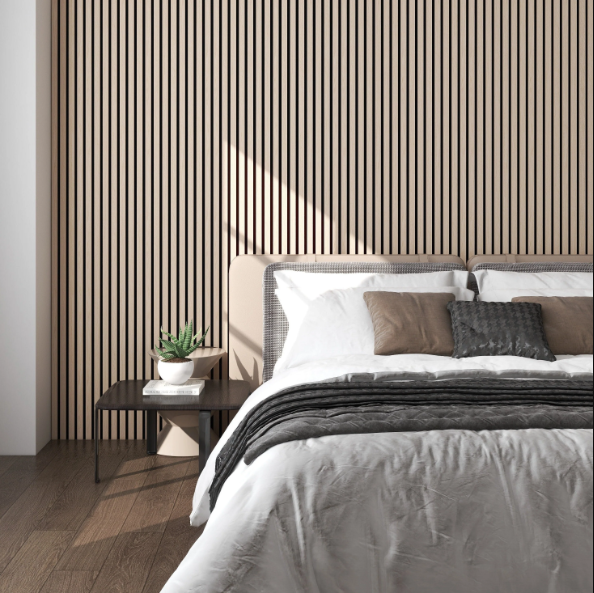
If you want to make a room pop without a complete overhaul, an accent wall is your answer. WPC panels are perfect for creating a focal point that draws the eye and adds dimension. Use them behind a headboard in the bedroom for a cozy, hotel-inspired feel, or install them on the main wall in your living room to frame your entertainment center. The clean lines of fluted panels can make a space feel taller and more modern. Because they come in various finishes, you can achieve anything from a warm, rustic look with Natural Veneer Wall Panels to a sleek, contemporary vibe. It’s a simple project that delivers a high-impact design statement.
Upgrade Commercial Spaces like Offices and Shops
WPC wall cladding isn’t just for homes; it’s a fantastic choice for commercial interiors. In places like offices, retail stores, and restaurants, walls need to be durable enough to handle constant traffic while still looking professional and inviting. WPC panels check both boxes. They can transform a plain reception area into a memorable entryway or add a touch of sophistication to a conference room. For contractors and business owners, the low maintenance and long lifespan of WPC are major advantages. If you’re a trade professional, you can often get bulk pricing by signing up for a trade program, making it a cost-effective solution for large-scale projects.
Transform Your Bathroom and Kitchen Walls
Traditional wood paneling in a bathroom or kitchen is usually a bad idea due to moisture, but WPC is different. Its composite material is highly water-resistant, so it won’t warp, swell, or rot when exposed to steam and splashes. This makes it an excellent choice for creating a feature wall behind a vanity or even in a shower area (with proper sealing). In the kitchen, you can use WPC panels as a durable and easy-to-clean backsplash that adds texture and warmth. It’s a great way to bring the look of wood into spaces where it was once impractical, complementing your modern plumbing fixtures and creating a spa-like retreat.
A Smart Solution for High-Traffic Areas
Hallways, entryways, mudrooms, and stairwells see a lot of action. These areas are prone to scuffs, dents, and fingerprints, which can make drywall look worn out quickly. WPC wall cladding is built to withstand this daily wear and tear. The durable surface resists scratches and impacts, and it’s incredibly easy to wipe clean, making it perfect for busy households with kids or pets. Installing WPC panels in these high-traffic zones not only protects your walls but also adds a continuous design element that connects different areas of your home. It’s a practical upgrade that pairs well with durable hardwood flooring to create a cohesive and resilient space.
Beyond Walls: Ceilings and Room Dividers
Don't forget to look up! WPC’s versatility extends beyond your walls and onto your ceiling. Applying fluted panels overhead can create a stunning architectural feature that draws the eye upward and makes a room feel more expansive and cohesive. It’s a brilliant way to add texture and warmth to a space, especially in rooms with high ceilings. WPC is also an excellent material for creating stylish room dividers. In an open-concept layout, a slatted WPC partition can define separate zones—like a home office nook within a living room—without blocking light or making the space feel closed off. It adds a touch of privacy and structure while maintaining an airy, connected feel.
Durable Solutions for Cabinetry and Furniture
The same properties that make WPC great for walls also make it a superior material for custom cabinetry and furniture. Think about your kitchen cabinets or bathroom vanity—these are high-moisture, high-use areas where materials like MDF or particleboard can easily swell and fail. WPC, however, is waterproof and incredibly durable, so it won’t warp or degrade over time. This makes it perfect for creating sleek, modern kitchen cabinets, wardrobes, and bathroom storage that can withstand daily life. It’s also a fantastic choice for building media consoles or office furniture, giving you a high-end look that’s built to last with minimal maintenance required.
Exterior Applications: Decking and Fencing
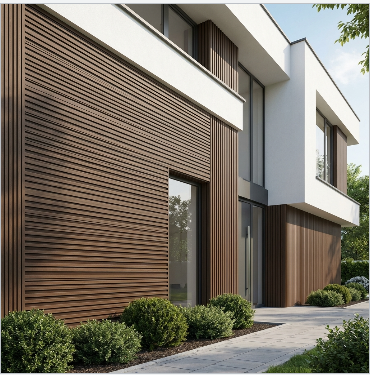
The strength and resilience of WPC make it a natural fit for the outdoors. The composite material is engineered to stand up to rain, sun, and temperature changes without rotting, splintering, or fading like traditional wood. This makes it a popular choice for decking, fencing, and exterior cladding. Imagine a beautiful deck that requires no annual sealing or a fence that maintains its color and integrity for years. You can find options like Exterior Fluted Slat Wall Panels that create a stunning, modern facade for your home, pairing beautifully with other durable elements like sleek steel windows. It’s a low-maintenance way to get the look of wood with performance you can count on.
Find Your Style: Design Ideas for WPC Cladding
One of the best things about WPC wall cladding is its incredible design flexibility. It’s not just a practical choice; it’s a powerful design tool that can adapt to almost any aesthetic you can imagine. Whether you’re renovating a cozy home or designing a sleek commercial space, WPC panels provide the perfect canvas. From minimalist modern to rustic charm, here are a few of the popular styles you can create.
Get a Modern, Minimalist Look
If you’re aiming for a clean, uncluttered aesthetic, WPC panels are a perfect fit. Their sharp, consistent lines create a sense of order and sophistication that is central to modern design. Interior WPC fluted slat wall panels, for example, can turn a plain wall into an elegant feature with subtle depth and character. Choose panels in neutral tones like charcoal, light gray, or classic white to establish a calm, minimalist backdrop. This style works beautifully for living room accent walls, home offices, or reception areas where you want to make a refined, professional impression without adding clutter.
Achieve a Natural Wood or Rustic Vibe
Love the warmth of wood but not the upkeep? WPC cladding is the answer. Modern manufacturing allows these composite panels to look and feel just like real wood, capturing the authentic grain patterns and rich tones of oak, walnut, and teak. You can create a cozy, rustic accent wall in a bedroom or a welcoming, nature-inspired atmosphere in a living space. This approach is a key element of biophilic design, which connects indoor spaces with nature. Best of all, you get that beautiful wood aesthetic without ever worrying about warping, splinters, or moisture damage.
Add Texture with Fluted and 3D Panels
Flat walls are functional, but textured walls are captivating. WPC cladding excels at adding dimension and visual interest to any room. Fluted and slatted designs are especially popular because they create a dynamic play of light and shadow that changes throughout the day. This texture can make a small room feel more expansive or add a layer of luxury to a larger space. Instead of relying on paint or wallpaper for impact, you can use the physical structure of the wall panels themselves to create a lasting focal point that feels both modern and timeless.
Customize Your Look with Colors and Finishes
Your design vision isn’t limited to wood tones. WPC panels come in a vast array of colors and finishes, giving you complete creative control. You can find panels in solid, bold colors to make a statement, or in subtle pastels for a softer look. Some finishes even mimic the appearance of other materials like brushed metal or smooth stone. This versatility means you can match your wall cladding to your existing decor or build an entirely new color palette around it. Whether you’re designing a vibrant retail space or a serene bathroom, there’s a WPC panel that fits your exact needs.
How Much Does WPC Wall Cladding Cost?
One of the most common questions about any renovation material is, "What's it going to cost me?" When it comes to WPC wall cladding, the good news is that it’s a stylish and durable option that can fit a wide range of budgets. The final price depends on a few key variables, from the specific product you choose to the scale of your project. Understanding these factors will help you plan your budget and find the best value for your home or commercial space. Let’s break down what you can expect to spend and how you can save.
What's the Average Cost per Square Foot?
When you start shopping for WPC panels, you'll find that prices can vary. A single sample piece might only be a few dollars, while a multi-panel pack designed to cover a larger area can cost closer to $200. This range reflects differences in quality, finish, and brand. It’s helpful to think of it not just as a purchase but as an investment in a long-lasting, low-maintenance wall finish. To get a clear idea of current costs, it's always best to browse specific products. You can explore options like Interior WPC Fluted Slat Wall Panels to see what to expect for high-quality designs.
Understanding Price Ranges for Different Styles
When you're budgeting for your project, it helps to know that the cost of WPC wall cladding can vary. The final price often depends on the style, finish, and overall quality of the panel. For instance, a panel with a highly realistic wood grain or a complex 3D design will likely cost more than a simpler, solid-color option. You can generally expect to find multi-panel packs ranging from around $70 to over $200. While the initial investment might be higher than just painting a wall, think of it as a long-term upgrade. The durability and low-maintenance nature of Interior WPC Fluted Slat Wall Panels mean you save money down the road on repairs and upkeep, making it a smart and stylish choice.
What Factors Influence the Cost?
So, what’s behind the price tag? Several factors come into play. The core of it is the material itself—WPC is a composite of wood fibers and plastic, and the quality of these components matters. A higher-grade polymer will result in a more durable, and thus more expensive, panel. The finish also plays a big role. A panel with a highly realistic wood grain texture or a specialty color will cost more than a basic, smooth panel. Finally, consider the panel's thickness and overall dimensions. Thicker, larger panels require more material and often have a higher price point, but they also provide better durability and sound insulation.
Exploring DIY-Friendly Options like Peel and Stick
Labor can be one of the biggest expenses in a renovation, which is why DIY-friendly materials are such a game-changer. Many WPC wall panels are designed for straightforward installation, making them a manageable weekend project for a handy homeowner. Some options even come with peel-and-stick backing, which simplifies the process even further by eliminating the need for messy adhesives. This approach not only saves you money on professional installation but also gives you the satisfaction of transforming a space with your own hands. It’s a cost-effective way to achieve a high-end, custom look without the high-end price tag, turning a potentially complex project into a simple and rewarding update.
How to Save with Trade and Bulk Discounts
If you're a contractor, designer, or a homeowner tackling a large-scale project, buying in bulk is your best strategy for managing costs. Many suppliers offer significant savings when you purchase a larger quantity of panels, which can dramatically lower the overall price of your renovation. This makes WPC cladding an incredibly cost-effective solution for outfitting an entire office, restaurant, or home. At USA Builders Depot, we offer a dedicated program for professionals. By filling out our trade application, you can get access to exclusive pricing and discounts, making your project budget go even further.
How to Install WPC Wall Cladding
One of the best things about WPC wall cladding is how straightforward the installation is. With a few basic tools and a bit of planning, you can completely transform a room in a weekend. Whether you’re a seasoned contractor or a first-time DIYer, this guide will walk you through the process for a clean, professional finish.
Your Pre-Installation Checklist: Tools and Materials
Before you begin, make sure you have everything you need. A well-prepared project is a smooth project. First, ensure the wall surface is clean, dry, and flat. Any major bumps or holes should be patched and sanded down.
Here’s a quick checklist of what you’ll need:
- Measuring Tools: Tape measure, pencil, and a spirit level to keep your lines straight.
- Cutting Tools: A fine-tooth saw or a circular saw for clean cuts.
- Installation Supplies: A stud finder, construction adhesive, and a caulk gun.
- Materials: Your chosen Interior WPC Fluted Slat Wall Panels, plus any corner or edge trim pieces for a polished look.
Installing Your WPC Panels: A Step-by-Step Guide
Ready to install? Let’s get started. First, plan your layout. Decide where your first panel will go—starting in a corner is usually easiest.
- Measure and Cut: Measure your wall height and cut your first panel to size. A fine-tooth saw will give you the cleanest edge.
- Apply Adhesive: Apply a generous amount of construction adhesive to the back of the panel in a zigzag pattern.
- Place the First Panel: Carefully press the first panel onto the wall. Use your spirit level to make sure it’s perfectly vertical before the adhesive sets.
- Connect the Panels: WPC panels typically use a tongue-and-groove system. Slot the next panel into the first one, apply adhesive, and press it into place.
- Finishing Touches: Once all panels are installed, add trim pieces around the edges, corners, and any outlets for a seamless finish.
Why Acclimatization and Expansion Gaps Matter
This step is easy to skip, but it’s crucial for a long-lasting installation. WPC, like many building materials, can expand and contract slightly with changes in temperature and humidity. To prevent buckling or warping down the road, let your panels acclimate by leaving them in the room where they’ll be installed for at least 24–48 hours.
You should also leave a small expansion gap (about ¼ inch) around the perimeter of the wall. This gives the panels room to move without putting pressure on each other. Don’t worry, this gap will be covered by your baseboards and trim, so no one will ever see it. It’s a simple trick that ensures your beautiful new wall stays that way.
Should You DIY or Hire a Pro?
So, should you do it yourself or call in a pro? For most people, installing WPC wall cladding is a very manageable DIY project. The panels are lightweight, easy to cut, and the tongue-and-groove design makes them fit together neatly. If you’re comfortable with basic measurements and a saw, you can definitely tackle this on your own.
However, you might consider hiring a professional if your project is very large or has complex features, like arched walls or numerous windows. A contractor can ensure the job is done quickly and perfectly. If you’re a builder or designer, you can also apply for our trade program to get access to bulk discounts and specialized support for your projects.
How to Choose and Maintain Your WPC Walls
Once you’ve decided that WPC wall cladding is the right fit for your project, the next step is selecting the perfect panels and understanding how to care for them. This part is crucial because the quality of the panels you choose will directly impact the final look and longevity of your walls. Not all WPC is made the same; the ratio of wood fiber to plastic, the quality of the materials, and the manufacturing process all play a role in the panel’s durability, colorfastness, and overall appearance.
When you start shopping, it’s a great idea to request samples. Holding a panel in your hand and seeing it in your home’s lighting can make all the difference. It allows you to feel the texture and see how the color complements your existing decor. A reputable supplier will offer a wide variety of finishes and styles, from realistic wood grains to modern, solid colors. Exploring a full collection of wall panels can give you a better sense of the possibilities. Also, pay attention to the panel’s thickness and locking system, as these features contribute to a seamless and sturdy installation. Choosing high-quality panels from the start simplifies long-term care and ensures your walls remain a beautiful focal point for years to come.
How to Choose the Right WPC Panels
When you’re ready to buy, focus on the product’s core qualities. WPC, or Wood Plastic Composite, is an innovative material that blends wood fibers with plastics to create a durable and stylish finish. Look for panels with a high-density core, as this indicates greater strength and resistance to impact. The finish should be consistent and realistic, especially if you’re opting for a wood-grain look.
Before you purchase, confirm the panel dimensions and check if the supplier provides detailed installation guides. A quality product is often backed by clear instructions and support. For example, our Interior WPC Fluted Slat Wall Panels are designed for straightforward installation, but success always starts with a properly prepared surface—make sure your wall is clean, dry, and perfectly flat.
Check the Density and Weight
Not all WPC panels are created equal, and one of the best indicators of quality is density. When you're comparing options, look for panels with a high-density core. A denser panel is stronger, more rigid, and better at resisting dents and impacts—a must-have for high-traffic areas like hallways or commercial spaces. While you might not have exact specs, you can often feel the difference. A heavier, more substantial panel generally signals higher quality materials and a more durable product. Cheaper, lighter panels might feel flimsy and are more likely to show wear over time. Investing in a denser panel ensures your walls will look great for years to come.
Look for a Manufacturer's Warranty
A manufacturer's warranty is more than just a piece of paper; it's a sign that the company stands behind its product. When a supplier offers a warranty, it shows they are confident in the durability and performance of their WPC cladding. This protects your investment against potential manufacturing defects and gives you peace of mind. Reputable companies also provide excellent customer support and clear installation guidelines to help you succeed. Checking for positive customer reviews can also give you insight into a company's reliability and the quality of its products, ensuring you're buying from a brand that values its customers and its reputation.
Be Cautious of Unusually Low Prices
While everyone loves a good deal, an unusually low price on WPC panels can be a red flag. Extremely cheap options often cut corners by using lower-quality recycled plastics or less durable finishes, which can lead to issues like fading, scratching, or warping down the line. Instead of chasing the lowest price, focus on getting the best value. A great way to save money without sacrificing quality is by purchasing in bulk, especially for larger projects. Many suppliers offer significant discounts for trade professionals. For example, our trade program provides access to exclusive pricing, making high-quality materials more affordable for contractors and designers.
How to Find a Sustainable WPC Option
One of the standout benefits of WPC is its positive environmental impact. Many WPC panels are made from a mix of recycled plastics and reclaimed wood fibers, making them a highly sustainable building material. By choosing WPC, you’re helping to reduce landfill waste and decrease the demand for virgin timber, which in turn helps conserve forests. This makes it an excellent choice for anyone looking to make more environmentally conscious decisions in their building or renovation projects.
When comparing options, look for manufacturers that are transparent about their use of recycled content. The durability and long lifespan of WPC also contribute to its eco-friendly credentials, as it won’t need to be replaced as often as other, less resilient materials.
Look for Environmental Certifications
To take the guesswork out of finding a truly sustainable product, look for third-party environmental certifications. These labels act as a stamp of approval, confirming that a manufacturer's claims about recycled content and responsible sourcing have been independently verified. For WPC, this could include certifications like the Forest Stewardship Council (FSC), which ensures the wood fibers come from responsibly managed forests, or others that verify the percentage of post-consumer recycled plastic used in the composite. While not all great products will have every certification, their presence gives you an extra layer of confidence. It shows that a company is committed to transparency and is taking measurable steps to reduce its environmental impact, allowing you to feel good about the materials you bring into your home.
How to Keep Your WPC Walls Looking New
The best part about WPC wall cladding is how easy it is to maintain. Unlike traditional wood that requires regular sealing or painting, WPC panels are designed to be low-maintenance. For routine cleaning, all you typically need is a soft cloth dampened with water and a mild soap. This is usually enough to wipe away dust and any minor scuffs, keeping your walls looking fresh.
Thanks to their composite nature, these panels are naturally resistant to moisture, mold, and termites, so you won’t have to worry about common issues that affect wood. Avoid using abrasive cleaners or harsh chemical solvents, as they can damage the panel’s surface. With just a little bit of simple care, your WPC walls will maintain their beauty and integrity for years without any intensive upkeep.


