
Composite Wall Cladding Exterior: Pros and Cons
Choosing the right siding for your home often feels like a compromise. You love the classic look of wood but dread the endless cycle of scraping, staining, and sealing. Vinyl is low-maintenance, but it can look cheap and often cracks or fades over time. What if you could get the high-end aesthetic you want without the constant upkeep? That’s exactly where modern engineered materials shine. A high-quality composite wall cladding exterior system gives you a durable, beautiful finish that stands up to the elements year after year. This guide will walk you through everything you need to know about this innovative material.
Key Takeaways
- Look beyond the initial price tag: Composite cladding's real value comes from its long-term savings on maintenance, repairs, and replacements, making it a smart financial choice for your home's exterior.
- Choose a low-maintenance material that lasts: Engineered to resist rot, moisture, and pests, composite cladding lets you enjoy a beautiful home without the constant work of painting or staining traditional wood.
- Verify quality before you purchase: Always check for key indicators like fire-resistance ratings, comprehensive warranties, and positive customer reviews to ensure you're investing in a product that will perform well for decades.
What is Composite Wall Cladding?
Think of composite wall cladding as a protective, stylish skin for the outside of your home or building. It’s an engineered material designed to shield your structure from the elements while giving it a clean, modern finish. Unlike traditional siding, composite cladding is crafted from a unique blend of recycled materials, offering a durable and sustainable alternative to pure wood or vinyl. It provides the look of natural materials without the demanding upkeep.
What's It Made Of?
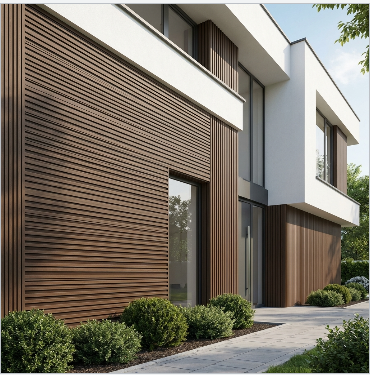
Composite cladding is typically made from a mix of wood fibers and recycled plastic. In fact, many products use up to 95% recycled content, like reclaimed wood scraps and plastic bottles that would otherwise end up in a landfill. This combination creates a material that has the warm, natural appearance of wood but with the strength and resilience of plastic. The result is a dense, sturdy panel, like Exterior Fluted Slat Wall Panels, that stands up to wear and tear far better than its traditional counterparts.
How Does It Protect Your Home?
The primary job of any cladding is protection, and this is where composite materials really shine. It forms a tough, waterproof barrier over your home’s exterior, shielding the structural walls and insulation from rain, snow, and wind. Because it’s a composite, it won’t absorb moisture the way wood does, which means you don’t have to worry about it cracking, splitting, or warping after a wet season. This durable outer layer helps prevent costly water damage and keeps your home secure for years to come, making it a reliable choice among modern wall panels.
Busting Common Myths About Composite Cladding
Two common concerns often come up with composite cladding: cost and colorfastness. While the upfront cost can be higher than some traditional options like vinyl, it often proves to be more affordable in the long run. Because it requires very little maintenance—no yearly staining, sealing, or painting—you save a significant amount of money and time. Its durability also means you won't be replacing damaged boards nearly as often, making it a smart investment.
As for fading, it's true that composite cladding isn't completely immune to the sun. Over several years, you might notice a slight lightening, but this process is usually slow and even, so the cladding maintains a consistent appearance.
Why Choose Composite Wall Cladding for Your Exterior?
When you’re planning an exterior renovation, the siding you choose does more than just look good—it’s your home’s first line of defense against the elements. Composite wall cladding has become a go-to choice for homeowners and contractors alike, and for good reason. It blends the timeless appeal of natural wood with the resilience of modern engineering, offering a practical solution that stands up to whatever nature throws its way.
Unlike traditional materials that can demand constant attention, composite cladding is designed for modern life. It’s a smart investment that pays off in durability, minimal upkeep, and even improved energy efficiency. Made from a mix of recycled wood fibers and plastics, it provides a tough, protective layer for your home’s structure while also being a more sustainable choice. If you’re looking for a siding material that delivers on performance, aesthetics, and long-term value,
Built to Withstand the Elements
One of the biggest advantages of composite cladding is its incredible durability. It’s specifically engineered to create a tough outer shell for your home, protecting the internal structure and insulation from moisture and impact. Because it’s made from a blend of wood fibers and recycled plastics, it’s naturally waterproof and resistant to the kind of damage that plagues traditional wood siding. You won’t have to worry about rot, insect infestations, or warping after a few seasons of heavy rain or intense sun. This resilience makes Exterior Fluted Slat Wall Panels a reliable, long-lasting choice that maintains its integrity and appearance for years, regardless of the climate you live in.
Spend Less Time on Upkeep
Let’s be honest: nobody wants to spend their weekends sanding, staining, or painting their home’s exterior. With composite cladding, you can put those chores behind you. This material is designed to be virtually maintenance-free. The color is integrated into the material itself, so it won’t chip or peel, and you’ll never need to paint it. Unlike wood, you don’t have to seal it to protect it from moisture or pests. A simple wash with soap and water once in a while is all it takes to keep it looking fresh and clean. This low-maintenance quality makes it a perfect fit for a busy lifestyle and a smart recommendation for any building project.
Improve Your Home's Energy Efficiency
Your home’s exterior plays a key role in its overall energy performance. Composite cladding adds an extra layer of insulation, helping to regulate your home’s internal temperature. It helps keep your home warmer in the winter and cooler in the summer, which can reduce the strain on your HVAC system and potentially lower your energy bills over time. Beyond thermal insulation, composite materials also offer excellent acoustic insulation. This means they can help dampen outside noise, creating a quieter and more peaceful indoor environment—a huge plus if you live near a busy street or in a bustling neighborhood.
An Eco-Friendly Siding Choice
If sustainability is a priority for your project, composite cladding is an excellent choice. It’s manufactured using a high percentage of recycled materials, including reclaimed wood fibers and post-consumer plastics. By choosing composite, you’re helping to divert waste from landfills and reduce the demand for virgin timber. The durability of the material also contributes to its eco-friendly credentials. Because it lasts for decades without needing replacement, you’re consuming fewer resources over the life of your home. It’s a building material that looks great while giving you peace of mind that you’ve made a responsible choice for the environment.
How Does Composite Cladding Compare to Traditional Materials?
Choosing an exterior finish is a big decision, and it helps to see how the options stack up. While traditional materials have their place, composite cladding often comes out ahead in durability, maintenance, and long-term value. Let's break down the key differences so you can feel confident in your choice.
Composite vs. Wood
Natural wood siding has a timeless appeal, but it demands a lot of attention. It’s prone to rot, splintering, and insect damage, requiring regular staining or painting to keep it protected. Composite cladding, made from a blend of wood fibers and recycled plastics, is designed to solve these problems. It won't rot, crack, or swell, giving you the look of wood without the constant upkeep. A simple wash with soapy water is all it takes to keep it looking fresh. While the initial cost is higher than some wood options, you’ll save significantly on maintenance and replacement costs over the years.
Composite vs. Vinyl
Vinyl siding is a common budget-friendly choice, but it can fall short in terms of durability and appearance. It’s susceptible to cracking in cold weather, fading from sun exposure, and can dent easily upon impact. Composite cladding is a much tougher material that effectively resists warping, staining, and scratching. It provides a more premium, modern look that can improve your home's curb appeal. For homeowners and builders looking for a material that combines aesthetic quality with resilience, composite is a clear step up from vinyl.
Composite vs. Metal
Metal cladding is known for its strength, fire resistance, and industrial aesthetic. It’s a durable, low-maintenance option that performs well in harsh conditions. Composite cladding offers similar benefits—it’s lightweight, long-lasting, and requires very little care—but with a different visual style. It often comes in a wide range of colors and finishes that mimic natural materials like wood. This makes it a versatile choice for projects where you want durability but a warmer look. Many modern designs pair exterior fluted slat wall panels with steel accents for a unique finish.
Which Siding Offers the Best Long-Term Value?
When you look at the big picture, composite cladding presents an excellent long-term value. The initial investment can be higher than for materials like vinyl or certain types of wood. However, that upfront cost is balanced by decades of performance with almost no maintenance expenses. You won’t be spending money on paint, stain, or repairs for rot and insect damage. Its strength means it holds up to weather and wear, protecting your investment. For a beautiful, durable exterior that saves you time and money down the road, composite is one of the smartest choices you can make.
What Are the Potential Downsides of Composite Cladding?
Composite cladding is a fantastic, low-maintenance choice for many homes, but it’s smart to look at the full picture before you commit. Like any building material, it has a few considerations you’ll want to keep in mind. Thinking through these points ensures you’re making a choice that you’ll be happy with for years to come, without any surprises along the way. Let's walk through the potential downsides so you can decide if composite is the right fit for your project.
The Upfront Investment
Let’s talk cost. The initial price for composite cladding can be higher than some other siding options, like vinyl. It’s important to view this as an investment rather than just an expense. While you might pay more at the outset, composite materials often save you money over time. Because they are so durable and require very little upkeep, you won’t be spending weekends repainting or budgeting for frequent repairs. Think of it as trading a higher initial cost for lower long-term expenses and less hassle.
Why Professional Installation is Key
While some experienced DIYers might tackle cladding installation, this is one area where hiring a professional really pays off. Proper installation is critical to the performance and lifespan of your cladding. An expert will ensure there’s adequate ventilation behind the panels to prevent moisture issues and will use the correct fasteners to allow for natural expansion and contraction. Getting it done right the first time protects your investment and is often required to keep the manufacturer’s warranty valid, giving you peace of mind.
Understanding Its Aesthetic Lifespan
High-quality composite cladding is designed to hold its color, but no exterior product is completely fade-proof when exposed to years of sun and rain. Over time, you might notice a slight, even lightening of the color. This is a natural process, and reputable manufacturers use UV-resistant coatings to keep it to a minimum. The effect is typically more subtle on darker shades. It’s less of a defect and more of a gentle weathering that happens over the product's long life.
Does It Work in Every Climate?
A common question is how composite cladding holds up in extreme weather, from scorching summers to freezing winters. The good news is that this isn't really a downside. High-performance composites are engineered to resist water and UV rays, which prevents them from warping, cracking, or fading easily. They also provide excellent insulation, helping to keep your home comfortable and potentially lowering your energy bills. For an even more robust alternative built for tough conditions, you might also consider fiber cement boards.
What to Look for in Quality Composite Cladding
Not all composite cladding is created equal. When you’re shopping around, it’s easy to feel overwhelmed by the options, but knowing what to look for helps you confidently choose a product that will protect your home for decades. A high-quality cladding system is an investment in your property’s durability, aesthetic, and value. Before you make a final decision, focus on four key areas: certifications, fire resistance, moisture protection, and the manufacturer's warranty. These factors separate the premium products from the rest and ensure you get the performance you’re paying for. By verifying these details, you can avoid common pitfalls and select a material that truly stands up to the elements and the test of time.
Look for Key Certifications
Think of certifications as a product’s report card. They are independent verifications that the cladding meets specific industry standards for quality, safety, and environmental impact. Look for marks from organizations like the International Code Council (ICC), which confirm the material has been rigorously tested for performance. These certifications assure you that the product will perform as advertised, covering everything from its structural integrity to its resistance to fading. A reputable supplier will always have this information readily available for their products, giving you confidence that you’re choosing a safe and reliable material for your home.
Check for Fire Resistance Ratings
Fire safety is non-negotiable. Quality composite cladding comes with a specific fire resistance rating that tells you how it performs when exposed to flames. These ratings, often classified as Class A, B, or C, are critical for meeting local building codes and ensuring the safety of your home. Class A offers the highest level of fire resistance, making it an excellent choice for areas prone to wildfires or for multi-family buildings. Always check the product’s technical data sheet for its fire rating and confirm it complies with your local regulations before buying.
Ensure It Resists Rot and Mildew
One of the biggest advantages of composite cladding is its ability to stand up to moisture. Unlike traditional wood, which can absorb water and become a breeding ground for rot and mildew, high-quality composite materials are engineered to be non-porous. This inherent resistance prevents decay from the inside out, which is especially important in humid or rainy climates. When evaluating options, look for products specifically marketed as waterproof or moisture-resistant. This feature is key to the material’s low-maintenance appeal and long-term durability, ensuring your home’s exterior continues to look great without needing constant repairs.
Don't Forget the Warranty
A strong warranty is a direct reflection of a manufacturer’s confidence in its product. Don’t just look at the number of years—read the fine print to understand what’s covered. A comprehensive warranty should protect against common issues like fading, staining, and structural defects for a significant period, often 25 years or more. This guarantee provides peace of mind and protects your investment. If a company offers a limited or vague warranty, it could be a red flag about the product's long-term performance. Trustworthy brands stand behind their materials, and their warranty will make that clear.
How Much Does Composite Wall Cladding Cost?
Let's talk about the budget. Composite wall cladding is often seen as a premium exterior finish, and its price tag reflects that quality. While the initial cost can be higher than some traditional materials like vinyl, it’s smart to think of it as a long-term investment in your property. Because it’s so durable and requires very little maintenance, you’ll likely save a significant amount of money and time over the years. Think about it: instead of spending weekends repainting or sealing wood siding, you can just enjoy your home’s beautiful, protected exterior. This shift in perspective from a simple expense to a valuable asset is key when considering composite cladding. The total cost will depend on several factors, including the specific product you choose, the complexity of your home's architecture, and labor costs in your area. But by looking at the full picture—upfront material costs, professional installation, and decades of maintenance savings—you can make an informed decision that adds lasting value and curb appeal to your property.
What Affects the Material Cost?
The price of composite cladding is directly tied to its quality and composition. These panels are typically engineered from a mix of wood fibers and recycled plastics, with some of the best products using up to 95% recycled content. This focus on sustainability and high-performance materials can influence the final cost. Different finishes, textures, and panel styles also play a role. For example, our Exterior Fluted Slat Wall Panels offer a modern, high-end look that can vary in price from simpler shiplap designs.
Factoring in Installation Costs
When you’re planning your budget, remember to account for installation. While composite cladding is designed for a straightforward install, hiring a professional is almost always the best route. An expert ensures the job is done right, which is often necessary to keep your product warranty valid. The upfront cost for professional installation is typically higher than for traditional wood siding, but it pays off. For contractors and trade professionals, it's worth looking into programs that offer bulk discounts on materials, which can help manage project costs effectively.
Calculating Your Return on Investment
Investing in composite cladding is a decision that pays you back over time. Yes, the initial spend is higher, but the real savings come from its incredible durability and low-maintenance nature. You won’t be spending money on paint, stains, or repairs year after year. Plus, a high-quality exterior finish does more than just protect your home—it enhances its curb appeal and can increase its overall market value. When you weigh the upfront cost against decades of performance and minimal upkeep, the return on investment becomes clear.
What to Expect for Installation and Maintenance
One of the best things about composite cladding is how little work it requires after it’s up on your walls. Unlike traditional wood that demands regular attention, composite materials are designed to be durable and self-sufficient. This makes them a fantastic choice for anyone who wants a beautiful home exterior without the constant upkeep. From a straightforward installation process to simple cleaning routines, you’ll spend less time on maintenance and more time enjoying your home. Whether you’re a contractor looking for efficient materials or a homeowner planning a weekend project, you’ll appreciate how easy it is to work with Exterior Fluted Slat Wall Panels.
The Installation Process Explained
You don’t need to be a master builder to install composite cladding. Most systems are designed with simplicity in mind, often featuring intuitive clip-free or tongue-and-groove designs that lock together securely. This makes the process faster and reduces the chance of errors. We provide detailed installation guides and video tutorials to walk you through every step, so you feel confident from start to finish. For professionals, this streamlined process means you can complete jobs more quickly, saving time and labor costs. For homeowners, it makes a high-end exterior finish an achievable DIY project. The goal is to give you a professional-looking result without the headache.
How to Keep Your Cladding Clean
Forget about spending hours scrubbing or pressure washing. Keeping your composite cladding looking fresh is incredibly simple. For routine cleaning, all you need is a soft microfiber cloth to wipe away dust and pollen. If you notice any marks or dirt, a damp cloth with a bit of mild soap and water will usually do the trick. For a more thorough seasonal cleaning, you can gently rinse the walls with a garden hose or a low-pressure washer held at a safe distance. There’s no need for harsh chemicals or abrasive tools, which protects both your cladding and the environment.
Simple Steps for Long-Term Care
Long-term care is where composite cladding truly shines. Once it’s installed, you can cross off yearly sealing, painting, or staining from your to-do list. These panels are built to resist rot, decay, and insect damage, so you won’t have to worry about replacing warped or weathered boards like you would with wood. Beyond its durability, composite cladding also adds a layer of insulation to your home, helping to keep it warmer in the winter and cooler in the summer. This extra thermal protection can even help reduce outside noise and lower your energy bills over time, making it a smart and practical investment. For another durable option, you might also consider Fiber Cement Boards.
What Are the Best Alternatives to Composite Cladding?
While composite cladding is a fantastic, modern solution for many homes, it’s not the only player in the game. Every project has unique needs, and exploring your options ensures you find the perfect match for your home’s style, your climate, and your maintenance preferences. If you're looking for something different, several excellent alternatives offer their own distinct advantages in durability, aesthetics, and cost. Let's look at a few of the most popular choices to see how they stack up.
Consider Fiber Cement Boards
If you want something that’s tough as nails but still looks sharp, fiber cement is a top contender. Made from a mix of cement, sand, and cellulose fibers, this material is engineered to resist just about anything—from fire and insects to rot and harsh weather. It’s incredibly low-maintenance and won’t warp or crack like some other materials. Plus, it’s versatile. You can find fiber cement boards in various textures and colors, allowing you to mimic the look of wood, stucco, or stone without the demanding upkeep. It’s a practical, long-lasting choice that delivers great performance.
Exploring Natural Wood Siding
There’s no denying the timeless, natural beauty of real wood siding. It offers a warm, classic aesthetic that can make any house feel more like a home. From rustic cedar to sleek modern hardwoods, the options are endless. However, this beauty comes with a commitment. Wood requires regular maintenance—think staining, sealing, or painting every few years—to protect it from moisture, pests, and sun damage. If you love the look and don't mind the upkeep, natural wood wall panels can be a stunning choice that adds significant character and value to your property.
The Case for Metal Cladding
For a bold, contemporary look, metal cladding is hard to beat. Materials like steel and aluminum provide a sleek, industrial finish that’s becoming increasingly popular in modern residential and commercial design. Metal is exceptionally durable, fire-resistant, and requires very little maintenance over its long lifespan. It won't chip, flake, or rot. While some metals can develop a patina over time, modern finishes prevent unwanted corrosion. It pairs beautifully with other strong elements like steel doors and windows to create a cohesive, high-end look.
How to Choose the Right Alternative
So, how do you pick the right material for your home? Start by weighing a few key factors: your budget, local climate, and personal style. Think about how much time and money you’re willing to invest in maintenance down the road. A homeowner in a rainy climate might prioritize rot resistance, while someone in a sunny area might focus on fade-resistant finishes. Ultimately, the best choice is one that not only looks great but also aligns with your lifestyle and protects your home effectively for years to come.
Where Should You Buy Exterior Wall Cladding?
Once you’ve decided that composite cladding is the right choice for your home, the next big step is finding where to buy it. The supplier you choose is just as important as the material itself. A great supplier won’t just sell you a product; they’ll provide expertise, ensure quality, and offer fair pricing. Making the right choice here means you’ll get durable materials that look great and perform well for years, backed by service you can count on.
How to Find a Trusted Supplier
A reliable supplier is a partner in your project’s success. Look for a company that offers a wide selection of high-quality exterior wall panels and can clearly explain the benefits of each option. A knowledgeable team should be able to answer questions about durability, water resistance, and which products are best suited for your climate. They should prioritize materials that meet industry standards, ensuring you get a product that’s built to last. Don’t just look for a retailer; find an expert who can guide you to the perfect cladding for your specific needs, whether it’s for a small residential refresh or a large commercial build.
Check Product Quality and Reviews
Before you commit, do a little digging into the product’s quality and what other customers have to say. High-quality composite cladding often features protective cap layers that prevent fading and staining, and it should be backed by a strong warranty—some of the best products even come with 50-year guarantees. This shows the manufacturer stands behind its durability. Beyond the specs, look for real-world feedback. Reading customer reviews gives you honest insight into how the cladding performs over time and what the purchasing experience was like. This feedback can be invaluable in making your final decision.
Ask About Trade and Bulk Discounts
If you’re a contractor or are taking on a large-scale renovation, don’t hesitate to ask about special pricing. Many suppliers offer significant savings on bulk orders or have dedicated programs for trade professionals. This can make a huge difference in your overall project budget. Building a relationship with a supplier that values your business can lead to better pricing and service on future projects, too. See if your supplier has a trade application to access exclusive discounts and benefits. It’s a simple step that can provide long-term value for your business.