


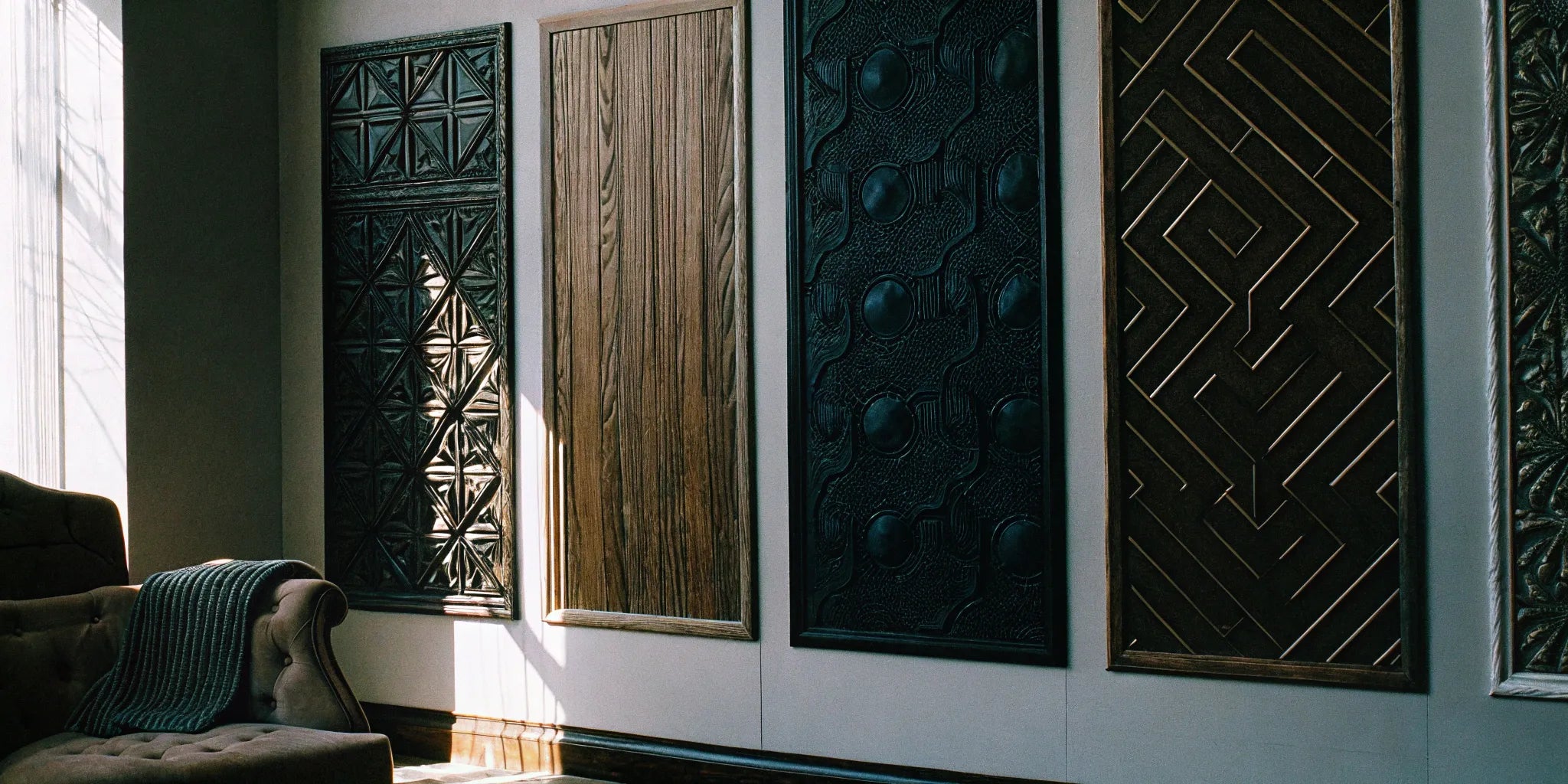
Veneer Wall Panels: A Complete Buyer's Guide
The word “veneer” might make you think of cheap, peeling furniture from decades past. It’s time to set the record straight. Today’s high-quality veneer wall panels are a world away from those old misconceptions. This isn't fake wood—it's real wood, expertly sliced into thin layers and bonded to a stable, durable core. This smart process offers a sustainable and affordable way to bring the authentic beauty of species like oak and walnut into your home. Forget what you thought you knew. This guide will show you how modern panels deliver unmatched style and value.
Key Takeaways
- Achieve a High-End Look for Less: Veneer panels provide the authentic beauty of real wood at a fraction of the cost of solid timber. Their engineered core also offers greater stability, making them less prone to warping or cracking with changes in humidity.
- Match Your Panel to Your Room's Needs: Your choice goes beyond aesthetics. Select natural wood veneers for timeless style, textured 3D panels for visual depth, or acoustic slat panels to effectively reduce echo and improve a room's sound quality.
- Plan Your Project for the Best Value: Consider a panel's durability and finish based on whether it will be in a high-traffic area. To maximize your budget, measure your space carefully to minimize waste, and if you're a trade professional, apply for exclusive pricing.
What Are Decorative Veneer Wall Panels?
If you love the warm, sophisticated look of natural wood, decorative veneer wall panels are a fantastic way to bring that style into your space. Think of them as thin, authentic slices of beautiful timber—like oak, walnut, or ash—that are carefully bonded to a stable and durable core material, such as MDF or plywood. This process creates a panel that showcases the unique grain and texture of real wood but with added stability and a more accessible price point.
The result is a versatile design element that can transform any room, from a cozy living area to a professional office. Unlike solid wood planks, which can be heavy and prone to warping, veneer wall panels are engineered to be lightweight, consistent, and easy to install. They offer the best of both worlds: the timeless beauty of natural wood and the practical performance of a modern building material. Whether you’re creating a stunning accent wall or covering an entire room, these panels provide a high-end finish without the complexities of solid timber.
How Are Veneer Panels Made?
The creation of a veneer panel is a blend of natural artistry and precise engineering. It all starts with a carefully selected log, which is sliced into very thin sheets. The specific cutting method—whether it’s rotary peeling or crown-cutting—is what determines the final grain pattern you see, from subtle straight lines to dramatic swirls.
Once sliced, these smaller veneer sheets are expertly joined together to form a larger, continuous sheet. This seamless surface is then permanently bonded to a sturdy substrate, typically MDF (medium-density fiberboard), using a combination of powerful adhesive, heat, and pressure. This crucial step ensures the panel is flat, stable, and ready for installation. The final product is a durable, beautiful panel that captures the essence of the original wood.
Understanding Veneer Thickness and Core Materials
When you're choosing a veneer panel, what’s on the inside is just as important as the beautiful wood on the outside. The core material provides the panel's structure and stability. Most high-quality panels use Medium-Density Fiberboard (MDF) as a core because it's incredibly stable, dense, and flat, which prevents the warping or bowing you might see with solid wood over time. The veneer itself is a thin layer of real wood, and its purpose is to provide the authentic grain and color. This engineered approach allows you to get the stunning look of natural wood veneers without the risk of instability, making them a reliable and long-lasting choice for any interior project.
Veneer vs. Solid Wood: What's the Difference?
It’s a common question: how does veneer stack up against solid wood? The main difference lies in their construction. A solid wood panel is made from a single piece of lumber, while a veneer panel consists of a thin layer of premium wood over an engineered core. This distinction leads to a few key advantages for veneer. First, it’s significantly more affordable, especially when you’re working with rare or exotic wood species.
Second, natural veneer wall panels are more stable. The engineered core is less likely to warp, crack, or expand with changes in humidity, making it a reliable choice for various indoor climates. While solid wood can be sanded down and refinished more times, veneer offers a practical, cost-effective, and sustainable way to achieve an authentic wood look that lasts.
Longevity and Long-Term Value
When you invest in materials for your home or a client's project, you want them to last. One of the biggest advantages of decorative veneer wall panels is their engineered stability. Because the real wood layer is bonded to a solid core, these panels are far less likely to warp, split, or crack than solid wood, especially in spaces with fluctuating humidity. This structural integrity means your walls will maintain their smooth, flat finish for years to come, making them a reliable and eco-friendly choice that stands the test of time.
Beyond their initial durability, the long-term upkeep of veneer panels is another major benefit. Since the surface is genuine wood, many finishes can be gently sanded and polished to restore their original luster, effectively erasing minor wear and tear. This ability to refresh the panels extends their lifespan considerably, ensuring they remain a beautiful feature in your design. Unlike materials that require complete replacement when they show their age, natural veneer panels offer a sustainable path to keeping your space looking new.
This combination of durability and easy maintenance adds up to incredible long-term value. You get the premium, authentic look of timber without the high cost and potential issues of solid wood. Furthermore, if a panel ever sustains significant damage, it's often possible to replace just the affected section rather than the entire wall. This straightforward repairability makes veneer wall panels a practical and cost-effective solution for both residential and commercial spaces, delivering a smart return on your investment.
How Do Veneer Panels Compare to Other Options?
In a world of wall coverings, veneer panels hold a special place. While paint and wallpaper can add color and pattern, they can’t replicate the depth, texture, and organic warmth of real wood. Veneer panels instantly make a space feel more luxurious and grounded.
Compared to other panel types, like WPC (Wood Plastic Composite) or laminate, wood veneer offers an unmatched authenticity because it uses real timber. While options like Acoustic Wall Panels are designed primarily for sound absorption, many veneer panels also provide excellent acoustic properties. Ultimately, if your goal is to achieve the genuine look and feel of wood, veneer panels are the superior choice for bringing natural elegance and character to your walls.
Veneer vs. Laminate: Real Wood vs. Synthetic
This is a key distinction when choosing wall panels. The biggest difference is the material itself: veneer is a thin slice of real wood, while laminate is a synthetic product made from a printed image of wood grain sealed under a protective layer. This makes laminate very durable and scratch-resistant, but its printed pattern can look repetitive. In contrast, veneer provides an authentic, high-end look because it retains the unique grain and natural imperfections of the original timber. If you want the genuine character and warmth that only real wood can provide, our Natural Veneer Wall Panels deliver that one-of-a-kind beauty.
Why Choose Decorative Veneer Wall Panels?
Decorative veneer wall panels offer a fantastic combination of style, value, and function, making them a go-to choice for homeowners, designers, and contractors. They provide the timeless beauty of natural wood with practical advantages that solid wood just can’t match. If you’re looking for a way to add warmth, texture, and character to a space without breaking the bank, here are five compelling reasons to consider veneer panels for your next project.
Get a High-End Look with Versatile Style
Veneer panels give you access to a world of design possibilities. Because they are made from thin slices of real timber, they capture the authentic grain and color of different wood species. This process allows you to incorporate the look of rare or exotic woods that would be impractical or prohibitively expensive as solid planks. Whether you’re aiming for a sleek, modern office or a cozy, rustic living room, there’s a veneer to match your vision. The versatility of Natural Veneer Wall Panels makes it easy to create stunning accent walls, elegant headboards, or sophisticated wainscoting that becomes the focal point of any room.
Why Veneer Panels Are a Budget-Friendly Choice
One of the biggest advantages of wood veneer is its affordability. You get the luxurious appearance of solid wood at a fraction of the cost. Since the veneer is a thin layer of premium wood bonded to a stable and less expensive core material, you can cover more wall space without stretching your budget. This makes high-end design more accessible for home renovations and allows commercial projects to achieve a premium look while managing costs effectively. It’s a smart way to invest in a transformative design element that delivers a huge visual impact for your money.
Making a Sustainable and Eco-Friendly Choice
Choosing veneer is also a responsible environmental choice. The production process makes the most out of every log. By slicing a log into many thin veneer sheets, a single tree can produce a significantly larger surface area of decorative paneling than if it were milled into solid planks. This efficient use of timber resources helps conserve forests, especially rare and slow-growing species. For anyone prioritizing sustainable building materials, veneer panels offer a beautiful solution that minimizes waste and maximizes the use of a precious natural resource.
Built to Last: The Durability of Veneer Panels
Modern veneer panels are engineered for performance. Bonded to a stable core like MDF or particleboard, they are less likely to warp, split, or crack due to changes in humidity and temperature compared to solid wood. This structural stability makes them a reliable choice for various climates and interior settings. The surface is often treated with a protective finish that resists scratches, stains, and fading, ensuring your walls look great for years to come. Their durability makes them ideal for high-traffic areas in both homes and commercial spaces, offering a beautiful finish that’s built to last.
How Veneer Panels Improve Room Acoustics
Beyond their visual appeal, many veneer panels offer excellent acoustic properties. Slatted designs, in particular, are fantastic at absorbing sound waves, reducing echo, and creating a more comfortable auditory environment. This makes Acoustic Wall Panels a perfect addition to home offices, media rooms, restaurants, and open-concept offices where noise control is important. By installing acoustic veneer panels, you can create a space that is not only beautiful but also quieter and more serene. It’s a functional benefit that enhances the overall quality and experience of a room.
Seamlessly Conceal Wires and Building Systems
One of the most practical benefits of veneer wall panels is their ability to create a clean, uncluttered finish by hiding the necessary but unsightly parts of a building. In a living room, they can be used to create a feature wall that cleverly conceals all the wires for your television and sound system. In a commercial setting like an office or hotel lobby, panels can be installed to hide plumbing, electrical conduits, and HVAC systems, resulting in a sleek and professional appearance. This functional design element allows you to maintain a minimalist aesthetic without sacrificing access to essential building infrastructure, giving you a polished look that is both beautiful and smart.
Customization for a Cohesive Design
Veneer panels are a designer’s best friend when it comes to creating a harmonious and cohesive space. Because they are available in a wide variety of wood species and finishes, you can select a panel that perfectly complements your flooring, cabinetry, or furniture. This ability to customize your design ensures that every element in the room works together, creating a polished and intentional look. For large-scale projects, panels can even be sourced from the same log to ensure consistency in grain and color, allowing you to achieve a seamless, high-end aesthetic across an entire space. This level of customization is key to transforming a standard room into a thoughtfully designed environment.
Grain Matching for Large Projects
For projects that involve covering a large surface, grain matching is a technique that makes a world of difference. This process involves arranging the veneer sheets so the wood’s natural pattern flows continuously from one panel to the next, creating the illusion of a single, uninterrupted piece of wood. The result is a stunning, seamless feature wall that looks incredibly high-end and custom. This attention to detail is especially important in commercial spaces or large residential projects where the goal is to make a bold and sophisticated statement, ensuring the final installation is flawless and visually impressive.
What Are the Different Types of Veneer Panels?
Veneer wall panels come in a surprising number of styles, each suited for different looks and functions. Understanding the main types helps you choose the right material for your project, whether you’re aiming for classic warmth, modern texture, or better sound control. From authentic wood grains to engineered designs, there’s a veneer panel that fits your vision and budget. Let’s look at the most popular options available.
The Classic Look of Natural Wood Veneer
Natural wood veneer panels are made from thin slices of real timber, showcasing the authentic beauty of the wood. Each panel is unique, featuring the distinct grain patterns, knots, and color variations that come directly from the log it was cut from. This makes them a top choice for creating a warm, high-end look in any space. Because they are genuine wood, they bring an organic and timeless feel to walls that you can’t quite replicate with synthetic materials. Our collection of Natural Veneer Wall Panels offers the perfect way to add this classic, sophisticated touch to residential or commercial interiors.
The Consistency of Engineered Wood Veneer
Engineered wood veneer gives you the look of solid wood without the higher price tag. These panels are constructed by bonding a thin layer of real wood to a stable and cost-effective core material, such as MDF or particleboard. This process not only makes them more affordable but also offers greater consistency in color and grain. Unlike natural veneer, engineered options can be dyed and treated to create uniform finishes, which is ideal for large projects requiring a consistent appearance. They provide a practical and durable solution for achieving a beautiful wood finish while staying on budget, making them a popular alternative to solid wood.
For Better Sound: Acoustic Slat Wall Panels
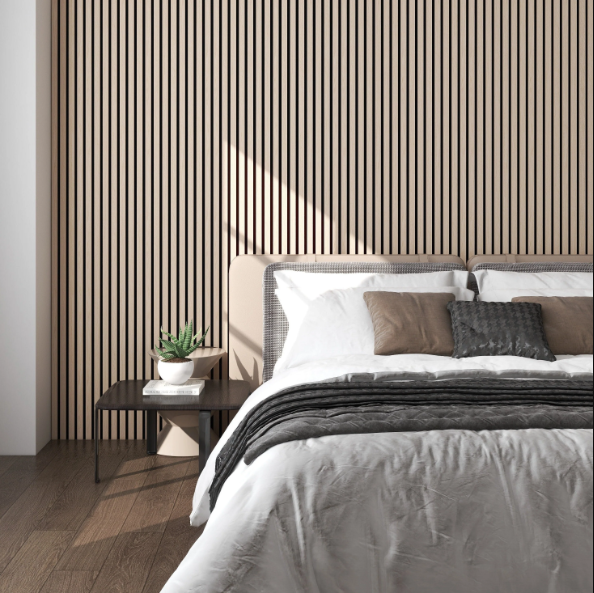
If you want to improve a room’s sound quality while adding modern style, acoustic slat wall panels are an excellent choice. These panels feature vertical wood veneer slats mounted on a sound-absorbing felt backing. This clever design not only creates a striking visual feature but also helps reduce echo and dampen noise, making spaces feel calmer and more comfortable. They are perfect for home theaters, offices, living rooms, or any area where sound control is important. Acoustic wall panels are a growing trend because they perfectly blend function with contemporary aesthetics, turning a plain wall into a sophisticated focal point.
Adding Depth with Textured and 3D Finishes
Veneer panels are moving beyond flat surfaces with textured and 3D finishes that add depth and character to your walls. Designs like fluted, reeded, or grooved panels create dynamic patterns of light and shadow, instantly making a room feel more interesting. These textures can turn a simple accent wall into a work of art. Using 3D wall panels is a fantastic way to introduce a tactile element into your design scheme, whether you’re aiming for a subtle, elegant effect or a bold, dramatic statement. They work beautifully in both residential and commercial settings to create a memorable and modern atmosphere.
Exploring Alternative and Specialty Veneers
While classic wood will always be in style, the world of veneer has expanded to include a host of innovative materials and designs. Modern manufacturing allows for unique finishes and flexible applications that go far beyond traditional flat panels. These specialty options open up new creative possibilities for designers and homeowners, allowing you to add texture, wrap curved surfaces, and even mimic other natural materials with surprising authenticity.
Stone, Modified, and Other Unique Finishes
The term "veneer" is no longer limited to wood. You can now find panels with surfaces that replicate the look and feel of stone, concrete, and even metal. For example, manufactured stone veneer offers a cost-effective and lightweight alternative to solid stone, making it easier to install on interior accent walls or exterior facades. These alternative finishes provide incredible design flexibility, allowing you to achieve an industrial or earthy aesthetic without the weight, complexity, and cost associated with the real materials. They are perfect for creating a bold statement in a commercial lobby or adding a unique textural element to a modern home.
Flexible Slat and Tambour Panels for Curved Surfaces
Not all walls are flat, and that’s where flexible panels come in. Tambour and slat-style panels are designed with grooves or individual slats on a flexible backing, allowing them to bend and conform to curved walls, columns, or custom furniture. This makes them an ideal solution for adding a seamless, high-end finish to architectural features that would be difficult to cover otherwise. Our Acoustic Slat Wall Panels are a great example of this, offering both visual appeal and the ability to wrap around gentle curves, creating a continuous, flowing design that also helps dampen sound.
Understanding Core Materials and Specialty Options
The surface of a veneer panel is what you see, but the core is what gives it stability and performance. The material underneath that beautiful wood grain plays a crucial role in the panel's durability, moisture resistance, and even its safety. Understanding the different core options helps you select a panel that is not only stylish but also perfectly suited for its intended environment, whether it's a busy hallway or a commercial space with strict building codes.
MDF vs. Plywood Cores
Most veneer panels use either MDF (Medium-Density Fiberboard) or plywood as their core. MDF is an engineered wood product prized for its incredibly smooth and uniform surface, which allows the veneer to bond perfectly without any underlying grain showing through. It’s also very stable. Plywood, made from layers of wood veneer glued together, is known for its strength and ability to hold screws well. While both are excellent choices, the key takeaway is that an engineered core is less likely to warp or crack with changes in humidity, offering greater reliability than solid wood.
Fire-Rated Panels for Commercial Projects
For commercial spaces like offices, hotels, and restaurants, safety is non-negotiable. Fire-rated panels are designed to meet strict building codes and slow the spread of flames in the event of a fire. These specialty panels are made with a fire-retardant core and are rigorously tested to achieve a specific classification, such as Class A. Choosing a fire-rated panel ensures your project is not only beautiful but also compliant and safe for public use. This is a critical consideration for contractors and designers working on projects where public safety is a top priority.
Finding the Right Size and Configuration
The beauty of veneer panels lies in their incredible variety. You can find them in a wide range of wood species, including popular choices like Walnut, Oak, and Birch, each offering a unique color and grain. Beyond the type of wood, panels are available in different sizes, from large sheets for seamless coverage to smaller, interlocking tiles for custom patterns. This flexibility allows you to find the perfect fit for any project, whether you’re cladding a large commercial lobby or creating a small feature wall in a home. With so many veneer panel options, you can easily match your design needs and installation requirements.
Extended Lengths for High Ceilings
High ceilings are a stunning architectural feature, but they can sometimes leave walls feeling vast and unfinished. This is where extended-length veneer panels truly shine. By running from floor to ceiling without a horizontal break, they create a seamless, uninterrupted line that draws the eye upward, emphasizing the room's height and making the space feel grand and cohesive. This approach eliminates awkward seams that can disrupt the natural wood grain, creating a more uniform and sophisticated look. Many of our Acoustic Wall Panels are available in longer sizes specifically for this purpose, offering the dual benefit of high-end style and improved sound control in large, open areas.
Where Can You Find the Best Veneer Panels?
Once you’ve decided that veneer panels are the right fit for your project, the next step is finding a reliable supplier. You want a partner who not only offers a great selection but also provides quality materials and dependable service. The right supplier can make all the difference in bringing your vision to life, ensuring your walls look stunning for years to come. Let’s walk through what to look for and how you can find the perfect panels for your space.
Explore Our Natural Veneer Collection
At USA Builders Depot, we offer a curated selection of Natural Veneer Wall Panels designed to bring warmth and sophistication to any interior. Our collection is built to meet diverse design needs, whether you're aiming for a modern, minimalist look or a cozy, rustic feel. Beyond standard veneers, we also provide specialized options like Acoustic Slat Wall Panels for sound control, 3D wall coverings for added texture, and even reclaimed wood panels for a sustainable touch. This variety ensures you can find the exact style and function you need to complete your project, all in one place.
How We Compare to Other Brands
While there are many specialty suppliers out there, we pride ourselves on being a comprehensive partner for your entire project. Unlike retailers that focus only on veneers, we offer a full range of building materials, from steel doors and windows to flooring and lighting. This allows you to coordinate all your materials seamlessly. For contractors and designers, our trade program offers bulk discounts and personalized service, simplifying procurement and saving you money. Plus, with fast nationwide shipping, you can get the high-quality materials you need delivered directly to your job site, no matter where you are.
What Defines a Quality Veneer Panel?
A quality veneer panel is more than just a pretty face. It starts with the veneer itself—a thin slice of real wood that showcases a beautiful, natural grain. The way the log is sliced creates different patterns, so look for a grain that complements your design. The veneer should be expertly bonded to a stable, durable core material to prevent warping or bubbling. A well-made panel will have clean edges and a consistent finish that resists chipping and peeling over time. Investing in a quality panel ensures your walls will not only look incredible on day one but will also stand up to daily life.
The Importance of In-House Quality Control
The difference between a veneer panel that lasts a lifetime and one that peels after a year often comes down to what happens during manufacturing. When a supplier has direct oversight of the production process, they can control critical variables like the quality of the adhesive, the amount of pressure used to bond the layers, and the moisture content of the wood. This meticulous attention to detail is what prevents common issues like delamination—where the veneer separates from its core—and ensures the surface is perfectly smooth for staining or finishing. A panel made with rigorous quality control is not just more durable; it’s also easier to work with and provides a far superior final look for your project.
Manufacturing Origin as a Mark of Quality
Knowing where your panels come from can be a strong indicator of their quality. Products manufactured in facilities with stringent oversight tend to offer greater consistency and reliability. When a supplier controls their production in a specific location, it often means they adhere to higher standards for both materials and craftsmanship. This transparency gives you confidence that the veneer panels you receive will be well-made and perform as expected. Sourcing from a trustworthy supplier with a clear manufacturing origin helps ensure you’re investing in a product that is built to last, rather than taking a gamble on materials from an unknown source.
How Much Do Veneer Wall Panels Cost?
Veneer wall panels are a fantastic way to get the luxurious look of solid wood without the hefty price tag. But what should you actually budget for? The cost can vary quite a bit, depending on the wood you choose, the style of the panel, and a few other key details. Understanding these factors will help you find the perfect panels that fit both your design vision and your wallet. Let’s break down what goes into the pricing so you can plan your project with confidence.
What's the Typical Price for Veneer Panels?
The price for decorative veneer panels can range from less than a hundred dollars for a standard panel to several hundred for a premium or oversized one. This flexibility allows you to find an option that works for almost any budget. When you browse a collection of Natural Veneer Wall Panels, you’ll see this variation firsthand. Think of it as an investment in your space—these panels add significant visual warmth, texture, and architectural interest that can completely transform a room. The final cost reflects the quality, craftsmanship, and unique beauty of the wood you choose.
Specific Price Ranges to Expect
To give you a clearer picture, let's look at some numbers from across the market. You can sometimes find panels on special for as low as $22 to $40, though standard options more commonly start around $65. As you move into more premium selections, prices can climb to $265 or even higher, depending on the wood species and complexity of the design. For instance, some high-end or luxury wood wall panels can reach over $400. This wide range means there’s likely a stylish option that fits your project budget, whether you're covering a small accent wall or an entire room. Knowing these figures ahead of time helps you plan effectively and decide where to invest for the biggest visual impact.
What Influences the Final Cost?
Several key factors determine the final price of a veneer panel. The species of wood is a major one; common woods like oak are typically more affordable than exotic or rare species. The way the veneer is cut also matters, as different slicing techniques create distinct grain patterns that affect the look and cost. You can learn more about how decorative wood veneers are made to understand this better. Additionally, higher-grade veneers with uniform color and no knots or sap marks will come at a premium. Finally, the panel’s core material, overall size, thickness, and any special acoustic or pre-finished features will influence the price tag.
How to Get the Best Value and Trade Discounts
Getting the best value starts with smart planning. Measure your space carefully to order the right amount of material and minimize waste. If you’re on a tight budget, consider exploring different wood species or engineered veneers that offer a similar look for less. For larger projects, buying in bulk can often reduce the per-panel cost. Best of all, if you’re a contractor, designer, or builder, you can get exclusive pricing. Many suppliers offer a trade program with special discounts for professionals. You can fill out a trade application to see if you qualify for these industry perks and save on all your project materials.
How to Install Decorative Veneer Wall Panels
Installing decorative veneer wall panels is a project that can completely transform a room in just a day. Whether you’re a seasoned contractor or a weekend DIY warrior, a successful installation comes down to good preparation and a clear plan. Let’s walk through the process, from gathering your supplies to putting the final panel in place.
What You'll Need: Tools and Materials
Before you begin, set yourself up for success by having everything you need within reach. A smooth installation depends on the right tools. You’ll want a tape measure, a pencil, a level, a caulk gun for adhesive, and a sharp utility knife or fine-toothed saw for any necessary cuts. For securing the panels, a high-quality construction adhesive is essential. Depending on the panel type and your wall’s condition, you might also need some small finishing nails and a hammer or nail gun for extra support. Having a complete tool kit ready will make the entire process much more efficient.
Your Step-by-Step Installation Guide
Ready to get started? Here’s a simple guide to installing your natural veneer wall panels. First, prepare your wall by making sure it’s clean, dry, and smooth. Next, measure your wall and the first panel, marking any cuts needed to fit around outlets or corners. Apply a quality construction adhesive to the back of the panel in a zigzag pattern, which ensures even coverage. Carefully press the panel onto the wall, using your level to make sure it’s perfectly straight. Secure it with a few finishing nails along the edges, then repeat the process with the next panel, ensuring a tight fit.
Should You DIY or Hire a Pro?
Deciding whether to install the panels yourself or hire a professional really comes down to your comfort level and the complexity of the project. If you’re working with a straightforward accent wall and feel confident with basic tools, a DIY installation can be a very rewarding project. However, for large-scale jobs, walls with lots of intricate cuts, or if you simply want a guaranteed flawless finish, bringing in an expert is a great idea. If you’re looking for a qualified installer, our trade program is an excellent resource for connecting with experienced professionals.
Why Professional Installation Ensures Longevity
While the DIY route can be tempting, professional installation is really about protecting your investment. An expert installer ensures every panel is cut with precision and bonded securely, which is the secret to a flawless, long-lasting finish. They have the experience to navigate tricky corners, work around outlets, and create seamless joints that prevent chipping or peeling down the road. This level of care ensures your veneer wall panels maintain their structural integrity and stand up to daily life, just as they were engineered to do. Think of it as quality assurance for your project—a professional touch guarantees the beautiful finish you chose will look incredible for years to come.
How to Choose the Right Veneer Panels
Choosing the right veneer panel involves more than just picking a color you like. To make sure your investment looks great for years to come, you need to match the panel’s features to your project’s specific needs. From handling daily wear and tear to contributing to a quieter, more sustainable space, here are the key factors to consider before making a final decision.
Why You Should Always Order Samples First
I can't stress this enough: always order a sample before committing to your panels. Just like you’d test a paint swatch on your wall, seeing a piece of the veneer in your own space is crucial. Online photos are helpful, but they can’t fully capture the subtle color variations, the depth of the grain, or how the finish interacts with your room's lighting. Each natural wood veneer panel is unique, and a sample lets you experience its true texture and quality firsthand. It’s a small, simple step that removes any guesswork and ensures you’ll be completely happy with the final result, giving you total confidence in your choice.
Choosing Panels for High-Traffic Areas
Think about where you plan to install the panels. An accent wall in a quiet bedroom has different needs than a busy hallway, office lobby, or restaurant entrance. For these high-traffic areas, you need panels that can handle daily life. Look for options designed to resist scratches, scuffs, and impacts. High-quality Natural Veneer Wall Panels are built for this kind of use, ensuring they maintain their appearance even when frequently touched or bumped. A durable finish also makes maintenance much easier—in most cases, a simple wipe-down with a damp cloth is all you need to keep them looking pristine.
Checking for Moisture Resistance and Finishes
While wood veneer panels aren't meant for high-moisture environments like shower stalls, their resistance to occasional humidity and splashes is an important factor. A quality protective finish is key. It helps shield the wood from minor spills and makes cleaning easier. When maintaining your panels, a slightly damp cloth is perfect for wiping away dust and smudges. Just be sure to avoid using too much water or harsh chemical cleaners, as this can damage the wood and the finish over time. Always check the manufacturer’s specifications to understand a panel’s suitability for your intended location.
Understanding Moisture Sensitivity: Where Not to Install Veneer
Let's be direct: wood and constant moisture are not friends. While a protective finish on a veneer panel can handle an occasional splash, it’s not designed for environments with high, persistent humidity. You should avoid installing natural wood veneer panels in areas like full bathrooms (especially inside or directly next to a shower), saunas, or steam rooms. The constant exposure to steam and water can cause the wood layer to delaminate, bubble, or warp over time, no matter how well it’s sealed. For these wet zones, materials like porcelain tile or fiber cement boards are a much safer bet. Save the beautiful wood grain for living rooms, bedrooms, offices, and hallways where it can truly shine without risk.
Do You Need Sound-Dampening Panels?
Have you ever noticed how an empty room echoes? Wall panels can play a huge role in controlling sound, and some are specifically designed for it. If you’re looking to reduce noise in a home office, media room, or open-concept living space, consider Acoustic Wall Panels. These panels often feature a wood veneer finish over a sound-absorbing felt backing, combining beautiful aesthetics with functional sound dampening. This quality is also a major advantage in commercial settings like conference rooms and restaurants, where controlling ambient noise helps create a more comfortable and productive environment.
How to Find Eco-Friendly and Sustainable Options
If sustainability is a priority for your project, decorative veneer panels are an excellent choice. The process of creating veneers uses timber resources far more efficiently than solid wood panels. A single log can produce a large quantity of veneer sheets, maximizing the use of the tree and reducing waste. This makes veneer a more sustainable building material compared to its solid wood counterparts. By choosing veneer, you get the authentic beauty of natural wood while making a more environmentally responsible decision for your home or commercial space.
Design Ideas and Inspiration
Veneer panels are more than just a wall covering; they're a powerful design tool. With so many wood species, textures, and finishes available, you can create a look that’s uniquely yours. Whether you’re designing a minimalist space with clean lines or a warm, inviting room with rich textures, veneer panels provide the perfect backdrop. They can define a zone in an open-concept layout, add architectural interest to a flat wall, or serve as the stunning centerpiece of a room. Let's explore a few ways to use them to bring your design vision to life.
Combining Veneer with Solid Wood for a Custom Look
You don’t have to choose between veneer and solid wood—they work beautifully together. A smart design strategy is to use veneer wall panels for large surface areas, like an entire accent wall, and then use solid wood for high-touch details like trim, shelving, or custom furniture. This approach gives you the best of both worlds. You get the cost-effective and stable coverage of veneer where you need it most, while incorporating the classic feel of solid wood for specific accents. This combination creates a layered, high-end look that feels cohesive and intentional, all while balancing your budget and design goals.
Tips for Creating a Cohesive Space
To create a truly cohesive design, think of your veneer panels as the anchor of the room. Their authentic wood grain and color can set the tone for the entire space. For example, you can create a stunning focal point by using Natural Veneer Wall Panels to build a feature wall behind a bed or a media console. To tie everything together, pull tones from the veneer into other elements, like your flooring, furniture, or even the frames of your windows. This creates a harmonious look where every piece feels connected. The versatility of these panels allows them to complement a wide range of styles, from modern to traditional.
Where to Use Veneer Panels in Commercial Spaces
Decorative veneer panels are a designer’s secret weapon for commercial spaces, and for good reason. They offer the perfect blend of sophisticated style, practical durability, and budget-friendly value that commercial projects demand. From sleek corporate headquarters to cozy cafes, these panels can completely transform an environment. Their versatility allows them to be used as stunning feature walls, elegant cabinet facings, or even unique decorative inlays.
Because they provide the rich, warm look of solid wood without the high cost or environmental impact, natural veneer wall panels have become a go-to material for architects and interior designers. They can make a new building feel established and inviting or give an old space a modern, high-end refresh. Whether you’re aiming for a minimalist aesthetic or a rustic vibe, there’s a veneer panel that fits the bill, making it one of the most adaptable materials on the market for commercial design.
Designing Modern Offices and Corporate Spaces
In a modern office, creating an environment that is both professional and welcoming is key to productivity and employee satisfaction. Veneer wall panels are perfect for achieving this balance. They can turn a standard reception area into a memorable entryway or add a touch of warmth and sophistication to a conference room. Because decorative veneers can be used for everything from wall coverings to custom cabinetry, they help create a cohesive and branded look throughout the space. Plus, options like acoustic slat wall panels are excellent for reducing noise and echo in open-plan offices or busy meeting areas, improving focus and privacy.
Creating an Impact in Retail and Showrooms
First impressions matter in retail, and veneer panels help create a shopping experience that feels warm, elegant, and luxurious. They can be used to build eye-catching product displays, stylish checkout counters, or beautiful accent walls that draw customers in. The natural texture of wood veneer adds a high-end feel that can elevate any brand’s physical presence. Beyond aesthetics, these panels are designed to be durable and easy to clean, making them a practical choice for high-traffic showrooms. By creating an inviting atmosphere, you encourage customers to stay longer and connect with your products. See what other professionals have accomplished by checking out our customer reviews.
Setting the Tone in Hospitality and Healthcare
The hospitality and healthcare industries rely on creating specific moods—be it luxury, comfort, or calm. Veneer panels make it possible to achieve the look of rare or expensive wood species without breaking the budget. In a hotel lobby or restaurant, they can establish a sophisticated and welcoming ambiance. In a healthcare setting, the natural look of wood can make clinical spaces like waiting rooms and patient suites feel warmer and more serene. This versatility, combined with their durability and ease of maintenance, makes veneer panels a smart investment for any business focused on guest or patient experience. Professionals can apply for a trade account to get exclusive pricing on bulk orders.
Current Trends in Commercial Wall Panel Design
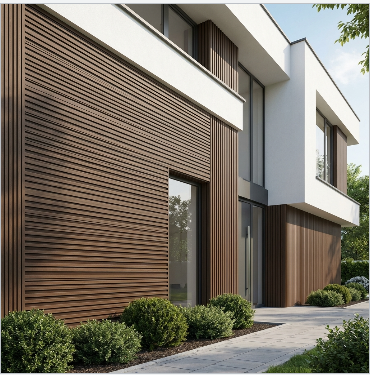
Staying current with design trends is essential in the commercial world, and veneer panels are at the forefront of modern style. One of the biggest trends right now is the use of fluted or slatted wall panels. These designs add incredible texture, depth, and visual interest to a room while also offering acoustic benefits. Exterior fluted slat wall panels can create a seamless transition between indoor and outdoor spaces, another popular design concept. Using veneer panels to create bold geometric patterns or full-scale feature walls continues to be a favorite way for designers to make a statement and define a space’s character.
How to Care for Your Veneer Wall Panels
Your beautiful Natural Veneer Wall Panels are installed, and they look fantastic. Now, how do you keep them that way? The great news is that veneer is surprisingly low-maintenance. With just a little regular care, you can ensure your panels look stunning for years to come. It all comes down to gentle cleaning, smart protection, and paying attention to the room’s environment. Following these simple steps will protect your investment and keep your walls looking brand new.
Your Guide to Simple Daily Cleaning
The easiest way to maintain your veneer panels is to prevent dust from building up. Make dusting a part of your regular cleaning routine using a soft, dry microfiber cloth or a feather duster. This quick weekly task removes airborne particles before they settle into the wood grain. For minor smudges, slightly dampen your cloth with water, but always wipe the surface completely dry immediately after. It's important to avoid harsh chemical cleaners or abrasive sponges, as they can damage the veneer’s delicate finish and strip its natural beauty.
Long-Term Care: How to Protect Your Panels
A little prevention goes a long way in keeping your panels free from scratches. If you have furniture placed against your veneer walls, stick small felt pads on the contact points to prevent scuffing. When cleaning, a vacuum with a soft brush attachment is perfect for getting dust out of any grooves without scratching the surface. Consistent, gentle cleaning is key to long-term preservation. By taking these small protective measures, you can easily maintain wood surfaces and keep them looking pristine, even in busy households or high-traffic commercial spaces.
The Importance of Regular Polishing
While daily dusting keeps your panels clean, regular polishing is what keeps them looking rich and vibrant. Think of it as a deep conditioning treatment for the wood. Over time, the protective finish can dull, but a good polish, applied every three to six months, restores that beautiful luster and adds a layer of protection against dust and minor moisture. It helps to nourish the wood and enhance the natural grain, making the colors pop just like they did on day one. Be sure to use a high-quality polish specifically designed for wood veneers and apply it with a soft, lint-free cloth, always moving with the grain. This simple step is key to preserving the beauty and longevity of your panels.
Why Humidity and Environment Matter for Veneer
Wood is a natural material that responds to its environment, especially humidity. Extreme fluctuations in moisture can cause veneer to warp or peel over time. Try to maintain a stable indoor humidity level to keep your panels in top condition. Using a humidifier in dry months and a dehumidifier in humid ones can make a big difference. Always check the manufacturer guidelines that came with your panels for specific recommendations, as different finishes may have unique requirements. A stable environment is one of the best things you can do for the longevity of your walls.
Related Articles
- 3D Wall Panel 101: Your Ultimate 2025 Guide
- The Ultimate Guide to Decorative Fluted Wall Panels
- 3D Wall Panel 101: Your Ultimate 2025 Guide (Modern 3D Wall Panels)