



Fluted Wall Panel 101: Your Ultimate Guide
Great design is about more than just looks—it's about how a space feels. Adding texture is one of the best ways to create that layered, complete feeling. A fluted wall panel is a brilliant way to do this, offering a sophisticated, three-dimensional effect that instantly refines a room. But here's the best part: they're not just a pretty face. From sound-dampening properties to moisture resistance, the right panels are a smart, functional upgrade. This guide will walk you through exactly what to look for, so you can confidently choose the perfect panels for your project.
Key Takeaways
- Match the Panel Material to Your Space: The most important decision is choosing a material that fits the environment. Use natural wood for classic warmth in living rooms and bedrooms, but opt for durable, water-resistant Wood Plastic Composite (WPC) for high-moisture areas like bathrooms or for exterior projects.
- Prioritize Function and Installation: Great panels do more than just look good. Look for options with sound-dampening properties to reduce echo and choose systems with tongue-and-groove designs for a simpler, more seamless DIY installation.
- Plan Your Purchase to Save Money: Before buying, always order samples to ensure the color and texture are right for your space. You can also lower costs by looking for suppliers who offer trade programs for professionals or run seasonal sales for homeowners.
What Are Fluted Wall Panels?
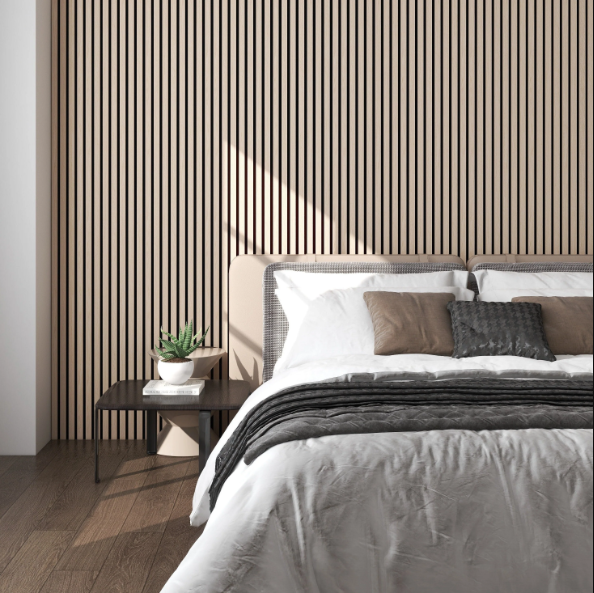
If you’ve been scrolling through design inspiration lately, you’ve probably seen fluted wall panels. These decorative panels are defined by their distinct, evenly spaced vertical grooves that create a beautiful, textured surface. Think of them as a modern update to traditional wainscoting or beadboard. They instantly add a layer of architectural interest to any room, turning a flat, boring wall into a dynamic focal point. The clean lines and repeating pattern create a sense of rhythm and sophistication that works well in all kinds of spaces.
The magic of fluted panels lies in how they play with light and shadow. The grooves catch the light differently throughout the day, adding depth and movement to your walls. This subtle effect can make a room feel more spacious and thoughtfully designed without overwhelming the space. Whether you're aiming for a bold statement wall or a subtle accent, wall panels offer a straightforward way to add high-impact style. They are a go-to for designers looking to introduce texture and a touch of luxury into their projects.
Fluted vs. Reeded Panels: What's the Difference?
While people often use the terms "fluted" and "reeded" interchangeably, there's a subtle but important difference. Think of it this way: fluted slat wall panels have concave, or inward-curving, grooves, much like the channels on a classic Greek column. This design creates sharp, defined shadows and a bold, dramatic texture. On the other hand, reeded panels feature convex, or outward-curving, rounded profiles that resemble a bundle of reeds tied together. The effect is softer and more delicate. The choice really comes down to the look you're going for. If you want a strong architectural statement, fluted is your answer. If you prefer a gentler, more understated texture, reeded is the way to go. Both add incredible character, but understanding the distinction helps you pick the perfect style for your project.
Create Instant Depth and Texture
The primary appeal of fluted panels is their ability to create depth and texture. Unlike a simple coat of paint or flat wallpaper, these panels introduce a three-dimensional quality to your walls. The vertical grooves, also known as flutes or reeds, draw the eye upward, which can make ceilings feel higher and a room appear more spacious. This textural element breaks up monotonous surfaces and adds a tactile quality that feels both modern and inviting. It’s an easy way to give a room a custom, high-end feel without committing to a complex renovation.
Why They're So Versatile for Modern Designs
One of the best things about fluted panels is their incredible versatility. While they are a hallmark of contemporary and minimalist design, their clean lines allow them to blend into a wide range of aesthetics, from mid-century modern to Japandi or even transitional styles. The material and finish you choose will heavily influence the final look. For example, Interior WPC Fluted Slat Wall Panels can provide a sleek, uniform appearance, while natural wood adds warmth and organic texture. This adaptability makes them a reliable choice for almost any project.
More Than Just Looks: The Functional Benefits
While fluted panels are a top choice for their stunning visual impact, their benefits go far beyond the surface. They are a smart, functional upgrade that can solve common design challenges, from improving a room's comfort to simplifying long-term maintenance. These practical advantages are why they’ve become such a staple for both designers and savvy homeowners, proving that you don't have to choose between style and substance. Let's look at how these panels work harder for your space than you might think, adding value that is more than just skin-deep and making your design choices both beautiful and practical.
Improve Temperature Insulation
The materials used in fluted panels, like dense wood composites or natural wood, have inherent insulating properties. This structure helps trap air, which can contribute to maintaining a more stable indoor temperature year-round. While they aren't a substitute for proper wall insulation, they add an extra layer that can help with energy efficiency. As a bonus, this same density also provides excellent acoustic benefits, dampening sound and reducing echo in large, open rooms or creating a quiet sanctuary in a bedroom or home office. This dual function makes them an incredibly efficient choice for enhancing the overall comfort of your environment.
Hide Wall Imperfections
Dealing with old, bumpy, or slightly damaged walls can be a renovation headache. Fluted wall panels offer a brilliant shortcut to a flawless finish. Instead of spending days on plastering, sanding, and priming, you can install panels directly over the existing surface in many cases. They effectively mask cracks, uneven textures, and other minor flaws, giving you a perfectly smooth and modern wall without the intensive prep work. This makes them an ideal solution for older homes or any project where you want a high-impact transformation with a more streamlined process. It’s a practical choice that saves both time and labor.
Make Rooms Appear Larger
The strong vertical lines of fluted panels are a classic designer trick for making a space feel taller and more open. Your eyes are naturally drawn upward along the grooves, creating an illusion of height that can transform a room with low ceilings. This effect makes them perfect for smaller rooms, entryways, or any area where you want to create a sense of spaciousness and grandeur without moving any walls. By simply adding panels to a single accent wall, you can dramatically alter the perception of a room's architecture, making it feel more airy and expansive. It’s a simple yet powerful way to enhance your space.
Allow for Easy Repairs
Life happens, and walls can get scuffed, scratched, or dented, especially in high-traffic areas. With a painted or wallpapered wall, a repair often means a noticeable patch job or redoing the entire surface to get a perfect match. Fluted panels, however, are designed for easy maintenance. If a single slat or section gets damaged, you can typically replace just that piece without disturbing the rest of the wall. This modular approach makes long-term upkeep much more straightforward and cost-effective, ensuring your walls look pristine for years to come. It's a durable solution built for real-world living.
Ensure a Consistent Appearance
While the unique grain of natural wood is beautiful, sometimes a project calls for perfect uniformity to achieve a specific look. Manufactured options like our Interior WPC Fluted Slat Wall Panels provide a flawless, consistent appearance from one panel to the next. This eliminates the natural variations in color, tone, and pattern that you find in solid wood, ensuring a clean, cohesive look across a large surface. This predictability is a major advantage when you're aiming for a sleek and polished modern aesthetic where every line and shade needs to be exact.
How to Choose the Right Style for Your Space
Fluted panels can be used in nearly any room to add a touch of elegance. In a living room, they make a stunning feature wall behind a sofa or entertainment center. In a bedroom, they can serve as a sophisticated, built-in headboard. You can even use them in kitchens and bathrooms to add texture to an island front or a vanity wall, as long as you choose a moisture-resistant material. Whether you’re designing a cozy home office or a chic entryway, Natural Veneer Wall Panels can provide the perfect touch of character and style.
What Are Fluted Wall Panels Made Of?
Choosing the right material is the most important step in buying fluted panels. The material determines not only the look and feel of your wall but also its durability, maintenance needs, and overall cost. From the timeless warmth of natural wood to the resilient and modern appeal of composite materials, each option offers unique benefits. Let's walk through the most common materials so you can find the perfect fit for your project’s style and functional requirements.
The Timeless Appeal of Natural Wood
For a classic and authentic look, nothing beats natural wood. Fluted panels made from real wood or a natural wood veneer bring warmth, texture, and a timeless design element to any room. They can be left unfinished for a rustic feel or stained to highlight the natural grain. You can also find paint-grade panels that allow you to customize the color to perfectly match your decor. While beautiful, keep in mind that natural wood requires a bit more care and is best suited for dry, indoor areas to prevent warping or damage from moisture.
Popular Wood Choices: White Oak, Birch, and Walnut
When you're working with natural wood, the species you choose plays a huge role in the final look and feel of your space. Three of the most popular options for fluted panels are white oak, birch, and walnut, and each brings something unique to the table. Understanding their distinct characteristics will help you select the perfect material to match your design vision, whether you're aiming for something bright and airy or rich and dramatic. Let's look at what makes each of these woods a great choice for adding texture and warmth to your walls.
White Oak is a true classic, celebrated for its durability and versatile style. It features a light-to-medium brown color with subtle gray undertones, making it a perfect match for modern, transitional, and Scandinavian designs. Its mostly straight grain adds a clean, sophisticated texture without feeling too busy. Beyond its good looks, white oak is also known for its natural resistance to moisture, making it a reliable choice for most indoor environments. If you're looking for a timeless material that feels both fresh and grounded, white oak is an excellent option for your unfinished wood wall panels.
Birch is your go-to for a bright, clean, and contemporary aesthetic. This wood is known for its pale, creamy-white color and smooth, fine grain, which helps reflect light and make a room feel more spacious. Because of its uniform texture and light tone, birch is an ideal canvas if you plan to stain or paint your panels to achieve a custom look. It’s a strong and stable hardwood that brings a subtle warmth to minimalist and Japandi-inspired interiors. Its understated elegance allows the fluted texture to stand out without overwhelming the design.
For a bold and luxurious statement, nothing compares to Walnut. With its deep, chocolate-brown tones and striking, often swirled grain patterns, walnut instantly adds a sense of drama and sophistication to any room. It’s a favorite for creating accent walls that serve as a stunning focal point in high-end and mid-century modern designs. The richness of the wood creates incredible depth when carved into a fluted pattern, playing beautifully with light and shadow. Opting for Natural Veneer Wall Panels in walnut can give you this premium look with added stability for a lasting investment.
Wood Plastic Composite (WPC): The Durable Alternative
If you need something more durable and low-maintenance, Wood Plastic Composite (WPC) is an excellent choice. WPC panels are engineered by combining wood fibers and plastic, creating a material that is incredibly resilient and water-resistant. This makes them ideal for spaces with higher humidity, like bathrooms, kitchens, or basements. Our Interior WPC Fluted Slat Wall Panels offer the aesthetic of wood without the worry of moisture damage, rot, or pests. They are easy to clean and built to last in high-traffic areas of your home or commercial space.
A Look at Other Common Materials
Beyond solid wood and WPC, you’ll often find fluted panels made from Medium-Density Fiberboard (MDF). MDF is an engineered wood product created by breaking down wood residuals into fibers, which are then combined with wax and resin to form panels. It’s a cost-effective option that provides a very smooth surface, making it perfect for painting. Many MDF panels are wrapped in a laminate or veneer that can mimic the look of real wood or other textures. While great for budget-friendly projects, standard MDF is not as moisture-resistant as WPC, so it’s best used in dry environments.
3D Laminate (3DL) Finishes
Another finish you'll often find on materials like MDF is 3D Laminate, or 3DL. This isn't just a flat layer; it's a flexible vinyl film that is heat-molded to wrap around the panel's surface and edges in one continuous piece. This seamless design is its biggest advantage because it leaves no entry points for moisture or bacteria, making it incredibly unlikely to peel or delaminate over time. That's why 3DL is a fantastic choice for kitchens, bathrooms, and laundry rooms where humidity is a factor. It’s also highly resistant to chips and scratches, so it holds up beautifully in high-traffic areas, showcasing the versatility of laminates in both residential and commercial spaces.
Lightweight PVC Panels
Lightweight PVC (Polyvinyl Chloride) panels are another popular and practical option. As the name suggests, they are incredibly light, which makes them much easier to handle and install compared to heavier wood or composite materials—a huge plus for DIY projects. But don't let their light weight fool you; PVC is engineered to be durable and completely water-resistant, making it a go-to for high-moisture environments. Because they have a non-porous surface, they are also exceptionally easy to clean, which is ideal for spaces that need to stay hygienic. These panels offer a clean, modern look without the maintenance worries of other materials.
Which Fluted Panel Material Lasts Longest?
When it comes to durability, your project’s location is key. Natural wood is strong and can last for generations with proper care, but it can scratch or dent and is vulnerable to moisture. For the most demanding environments, WPC is the clear winner. It’s highly resistant to wear and tear, moisture, and fading, making it a practical choice for both busy homes and commercial settings. MDF is moderately durable for general use but is the most susceptible to damage from water, which can cause it to swell and lose its integrity. Choosing the right fluted wall panels means matching the material’s strength to your space’s needs.
Comparing the Top Fluted Panel Suppliers
Once you know what material you want, it’s time to find the right supplier. The market for fluted panels has grown, giving you plenty of options, but not all panels are created equal. Different suppliers specialize in different materials, finishes, and applications, so it’s worth doing a little comparison shopping. A great supplier offers a combination of quality products, a wide selection, and helpful resources. Look for companies with clear product descriptions, transparent pricing, and good customer reviews. This will help you feel confident in your purchase and ensure your project turns out exactly as you envisioned.
A Closer Look: USA Builders Depot's Collection
At USA Builders Depot, we’ve curated a collection of fluted wall panels designed to fit modern aesthetics while offering practical benefits. Our Interior WPC Fluted Slat Wall Panels are a popular choice for creating stunning accent walls in living rooms, bedrooms, and offices. They provide the rich look of wood with the durability and low maintenance of a composite material. For outdoor projects, our Exterior Fluted Slat Wall Panels are engineered to withstand the elements, making them perfect for upgrading your home’s facade or creating a stylish patio feature. Both options are designed for straightforward installation, helping you bring sophisticated texture to any space.
How Do Other Top Brands Compare?
When you start looking at different brands, you’ll notice they often emphasize different strengths. Some focus exclusively on high-end, natural wood veneers, while others innovate with composite materials like WPC. Top-tier panels consistently deliver on a few key promises: timeless aesthetics, rich texture, and durability. Many also provide excellent acoustic benefits, which is a huge plus for noisy areas. As you compare, think about what matters most for your project. Is it the authentic grain of real wood, the moisture resistance of a composite, or a specific color finish? Answering that will help you narrow down the best brand for your needs.
What Unique Features Should You Look For?
Beyond the basic material, the best suppliers offer a variety of features that allow you to get a custom look. Look for a range of finishes, from unfinished panels you can paint or stain yourself to pre-finished options in natural wood tones or bold colors. Some companies also provide different profile widths and depths, giving you more control over the final texture. A key differentiator is whether a supplier offers both interior and exterior cladding panels, as this indicates a versatile and robust product line. Finding a supplier with these unique options ensures you can find the perfect panel to match your design vision, whether it’s contemporary, traditional, or something in between.
How Much Do Fluted Wall Panels Cost?
Budgeting for your project is a huge step, and the cost of fluted wall panels can vary quite a bit. The final price tag depends on several key factors, including the material you choose, the brand, and the overall size of your project. While some high-end natural wood panels might be a significant investment, there are plenty of affordable and stylish options, like WPC, that deliver a similar look for less. Understanding what drives the cost will help you find the perfect panels that fit both your design vision and your wallet. Let's break down what you can expect to pay and how you can save some money along the way.
Breaking Down the Cost by Material and Brand
The material is the biggest factor influencing the price of fluted panels. Natural wood veneers, for example, often cost more than Wood Plastic Composite (WPC) alternatives. You can generally expect panels to range from around $160 to over $250 per panel, but this can shift based on the supplier and the specific finish. It’s always a good idea to browse a supplier’s full wall panels collection to compare the costs of different materials side-by-side. Brand reputation and manufacturing quality also play a role, so be sure to read reviews and, if possible, order samples to feel confident in your choice.
Factors That Influence the Final Price
Beyond the base material, a few other variables can affect the total cost of your project. Things like custom dimensions, special finishes, and even the supplier you choose can shift the final price. For example, a standard-sized panel will almost always be more affordable than one cut to unique specifications. Understanding these factors ahead of time helps you create a realistic budget and avoid any surprises. It also empowers you to make smart choices, like finding a supplier with factory-direct pricing, which can lead to significant savings without compromising on quality.
Customization Costs
If your project requires non-standard sizes or a unique finish, be prepared for the price to go up. Customization adds a layer of complexity to the manufacturing process, which is reflected in the cost. While many projects can be completed with standard panels, some spaces have unique architectural features that demand a custom fit. Before you commit, check with your supplier to see what customization options they offer and get a clear quote. This will help you decide if the added expense for a bespoke look is worth it for your design goals and budget.
The Advantage of Factory-Direct Pricing
One of the best ways to manage costs is to find a supplier that offers factory-direct pricing. When you buy directly from a company like USA Builders Depot, you cut out the middlemen—like distributors and retailers—who add their own markups. This direct-to-consumer model often results in lower prices for the same high-quality product. It also means you’re dealing directly with the source, which can lead to better customer support and more detailed product knowledge. For trade professionals, this can be especially beneficial, as many direct suppliers offer bulk discounts that further reduce project costs.
Budget-Friendly Ideas for Using Fluted Panels
You don’t need to cover an entire room in fluted panels to make a statement. In fact, sometimes a more restrained approach can have an even greater impact. By using panels strategically, you can achieve a high-end, textured look while keeping your material costs down. This is great news for anyone working with a tight budget or for those who just want to add a subtle architectural detail without overwhelming a space. Thinking creatively about placement allows you to get the most design value out of every single panel you purchase.
Creating a Half-Accent Wall
If a full floor-to-ceiling feature wall isn't in the budget, consider a half-wall application. Installing fluted panels on the lower or upper portion of a wall, much like modern wainscoting, creates a beautiful visual break and adds sophisticated texture without requiring as much material. This approach is perfect for dining rooms, entryways, or hallways. You can also use panels on a smaller scale to create a focal point, such as framing a fireplace, designing a custom headboard, or wrapping a kitchen island. These smaller applications deliver a powerful design punch while being much more friendly to your wallet.
Where to Find Current Deals and Promotions
A little strategic shopping can go a long way. Many suppliers run promotions that can significantly lower your total cost. Keep an eye out for seasonal sales or special discounts, especially around holidays. Some companies offer a small percentage off—like 5%—for first-time customers who sign up for their email newsletter. This is an easy way to save and stay updated on new products. Another great perk to look for is free shipping, which can make a big difference when you’re ordering bulky items like wall panels. Always check a company’s homepage or promotions tab before you check out.
How to Save with a Trade Discount
If you’re a contractor, designer, or builder, you’re in luck. Many building material suppliers offer special programs for industry professionals. By signing up for a trade account, you can get access to exclusive pricing and bulk discounts that aren’t available to the general public. This is especially valuable for large-scale residential or commercial projects where you’re purchasing a high volume of materials. Check to see if your supplier has a trade application online. It usually only takes a few minutes to fill out and can lead to substantial savings over time.
What to Look for When Buying Fluted Panels
Once you’ve decided on a material, it’s time to get into the details. The right fluted panels can transform a room, but the small things—like how they’re finished or how they handle sound—make a huge difference in your long-term satisfaction. Paying attention to a few key features ensures you get a product that not only looks great on day one but also performs well for years. From the quality of the finish to its ability to stand up to moisture, here’s what you should keep an eye on.
Pay Attention to Material Quality and Finish
The look and longevity of your feature wall come down to the quality of the materials. Many high-quality fluted panels are constructed with a durable MDF core wrapped in a 3D laminate. This combination gives you the best of both worlds: a strong, stable base with a finish that realistically mimics natural wood, stone, or even metal. When you’re shopping, look closely at the finish. Does it have a convincing texture? Is the color consistent? High-quality Natural Veneer Wall Panels use real wood slices to create an authentic look that cheaper alternatives can’t match. A premium finish ensures your wall becomes a stunning focal point, not a cheap imitation.
Understanding Flute Widths and Panel Dimensions
The visual impact of your fluted wall comes from the width of the grooves themselves. This detail might seem small, but it dramatically changes the final look and feel of your space. Different flute widths create different rhythms and textures, so it’s important to choose one that aligns with your design goals. Beyond the flutes, you also need to consider the overall dimensions of each panel. Knowing the height and width will help you calculate how many panels you need to cover your wall, ensuring a smooth and efficient installation process with minimal waste.
Fine-Tuning Your Look with 1, 2, or 3-Inch Flutes
Flute widths typically come in a few standard sizes, each offering a distinct style. Narrow, 1-inch flutes create a fine, detailed texture that feels intricate and sophisticated, perfect for smaller accents or a subtle backdrop. A 2-inch flute is a popular, versatile choice that strikes a great balance—it’s modern and clean without being too busy. For a bolder, more dramatic statement, 3-inch flutes create deep shadows and a strong vertical presence that can make a room feel grand and spacious. When choosing, consider the scale of your room and the other textures present. You can explore a variety of styles in our wall panels collection to see which look fits your vision.
Check for Warranties and Country of Origin
When you’re investing in building materials, a good warranty provides peace of mind and is a strong indicator of a product’s quality. A manufacturer that stands behind its panels with a long-term warranty is confident in their durability and craftsmanship. Some brands offer warranties that last for decades, protecting you against manufacturing defects. It’s also helpful to check the country of origin. Products made in the United States, for example, often adhere to strict quality control standards. Taking a moment to check for these details helps ensure you’re buying a reliable product that will look great for years to come and is a key part of making a smart purchase.
Check the Installation and Customization Options
A beautiful design is only as good as its installation. Look for panels designed for a straightforward setup, which can save you time and money. Many modern fluted panels use a simple tongue-and-groove system that allows them to connect seamlessly. They can often be installed with construction adhesive, with the option of using a nail gun for extra security. Another key feature is how easily they can be customized. You should be able to cut the panels to fit around outlets, windows, or other obstacles using standard woodworking tools. This flexibility is essential for achieving a professional, built-in look, whether you’re a seasoned contractor or a dedicated DIYer.
Looking for Sound-Dampening Properties?
Fluted panels do more than just add visual texture; they can also improve a room’s acoustics. The grooved design naturally helps to break up sound waves, reducing echo and reverberation. For even better performance, look for Acoustic Wall Panels that are specifically designed with sound absorption in mind. These often feature a felt backing or are designed to be installed over wooden batons, creating a gap where you can add soundproofing material. This is a fantastic feature for home theaters, offices, bedrooms, or any commercial space where controlling noise levels is important. It’s a functional benefit that adds another layer of value to your design choice.
Don't Forget Moisture Resistance
Not all fluted panels are suitable for every room. If you’re planning an installation in a bathroom, kitchen, or basement, moisture resistance is a non-negotiable feature. Water and humidity can cause materials like standard MDF to warp, swell, or grow mold. Look for panels made from water-resistant materials like WPC (Wood Plastic Composite) or those with a protective PVC film backing. These options are built to handle humid environments without breaking down. For outdoor projects, you’ll need panels specifically rated for exterior use, like Exterior Fluted Slat Wall Panels, which are designed to withstand rain, sun, and temperature changes. Always check the product specifications to ensure your choice fits the environment.
Can You DIY a Fluted Wall Panel Installation?
Absolutely. For many homeowners and contractors, installing fluted wall panels is a manageable weekend project that completely transforms a room. If you have some basic carpentry skills and the right tools, you can definitely achieve a professional-looking accent wall on your own. The key is careful preparation and patience. Before you begin, it’s important to gather everything you’ll need, understand the basic installation steps, and be honest about your own skill level.
Some panel systems are designed specifically for straightforward installation, making them even more accessible for a DIY approach. However, every project is different. An installation on a perfectly flat, simple wall is much different from one that requires navigating around outlets, light switches, and windows. Taking the time to plan your project will help you decide whether to tackle it yourself or bring in a professional to get the job done right.
Your DIY Checklist: Tools and Materials Needed
Getting your tools and materials ready before you start is the first step to a smooth installation. For most projects, you’ll need a core set of supplies: your chosen fluted wall panels, a measuring tape, a pencil, and a level. For cutting the panels to size, a circular saw or hand saw with a fine-toothed blade usually works well.
The two other critical items are an adhesive and a way to fasten the panels. A strong construction adhesive is often recommended to glue the panels directly to the wall. For extra security, especially with heavier wood panels, a brad nailer is an excellent tool for fastening them discreetly. Always double-check the manufacturer’s instructions for your specific panels, as they will provide the best guidance on the right adhesive and cutting methods.
Step-by-Step: Common Installation Methods
The most popular way to install fluted panels is with a combination of construction adhesive and brad nails. Start by finding and marking the studs on your wall. After cutting your first panel to the correct height, apply a zigzag pattern of adhesive to the back. Press it firmly against the wall, using a level to make sure it’s perfectly vertical—this first panel sets the standard for the rest of the wall.
Once it’s in place, use a brad nailer to secure the panel to the wall, preferably along the tongue or groove to hide the nail holes. Continue this process with the remaining panels, locking each one into the next. If you’re using an adhesive-only method, you may need to use painter’s tape to hold the panels in place while the glue cures.
Pro Tips for a Flawless Installation
You’ve picked your panels and gathered your tools, but before you start cutting, let’s talk about a few pro tips that can make a world of difference. While installing fluted panels is a very manageable project, these extra steps are what separate a good result from a truly flawless, professional finish. Taking a little extra time for preparation ensures your new feature wall will look amazing not just on day one, but for years to come. From letting your materials adjust to the room to maximizing their sound-dampening benefits, these small details are worth the effort.
Why You Should Acclimate Your Panels
This might be the most skipped step in DIY projects, but it’s one of the most important. Before you install them, let your panels acclimate by laying them flat in the room where they will be installed for at least 48 to 72 hours. Materials like wood and MDF naturally expand and contract with changes in temperature and humidity. Acclimating allows them to adjust to the room’s environment before they’re fixed to the wall, preventing future gaps or buckling. While highly stable materials like our Interior WPC Fluted Slat Wall Panels are less prone to this, it’s still a best practice that guarantees a perfect, lasting fit.
Advanced Soundproofing Techniques
Fluted panels are already great at improving room acoustics by breaking up sound waves, but you can take it a step further. For maximum sound control, consider installing the panels over thin wooden batons attached to the wall. This creates a small air gap behind the panels, which is very effective at trapping sound. You can even fill this gap with sound-absorbing insulation for superior performance. An even simpler route is to choose panels specifically designed for this purpose. Our Acoustic Wall Panels, for example, come with a felt backing that absorbs sound, giving you enhanced acoustic benefits without any extra steps.
When Should You Hire a Professional?
While a DIY installation is rewarding, there are times when calling a professional is the smarter move. If you’re not comfortable using power saws or are unsure about getting precise cuts, a pro can ensure a clean, flawless finish. Complex projects are also better left to experienced installers. This includes walls that are significantly uneven, ceilings, or walls with numerous obstacles like built-in shelving, fireplaces, or multiple electrical outlets.
Hiring a professional protects your investment in the materials and guarantees the final result looks polished. If you’re a contractor looking to offer this service, signing up for a trade program can provide access to discounts and resources that make these jobs more profitable. For homeowners, a pro handles the details so you can just enjoy the result.
Interior vs. Exterior: Which Fluted Panel Do You Need?
Choosing the right fluted panel starts with a simple question: where will it be installed? The answer determines everything, from the material you need to the finish that will protect it. Interior and exterior panels are engineered for completely different environments. An interior panel is designed for climate-controlled spaces where aesthetics and texture are the top priorities. In contrast, an exterior panel is built to be a shield, standing up to sun, rain, wind, and fluctuating temperatures.
Think of it like choosing an outfit. You wouldn't wear a silk blouse in a rainstorm, and you wouldn't wear a heavy-duty raincoat indoors. Using an interior-grade panel on the outside of a building is a recipe for disaster—it can lead to warping, fading, and moisture damage in a short amount of time. On the other hand, using a rugged exterior panel inside might be overkill and could limit your design choices or feel out of place. Understanding this fundamental distinction is the first step to ensuring your project looks great and lasts for years. Before you fall in love with a specific style, make sure it’s the right fit for your environment by exploring the different types of wall panels and their intended uses.
Where to Use Interior Fluted Wall Panels
Indoors, fluted panels are all about transforming a space with texture, depth, and a touch of sophistication. They are perfect for creating a stunning accent wall in a living room, adding a professional touch to a home office, or designing a memorable backdrop in a retail store or restaurant. Because they aren't exposed to harsh weather, you have more flexibility with materials. Interior WPC Fluted Slat Wall Panels offer a clean, modern look, while natural wood panels bring warmth and organic character to a room. The vertical lines of the flutes can also make a ceiling feel higher, making them a smart design choice for smaller spaces.
Choosing a Durable Panel for Exterior Cladding
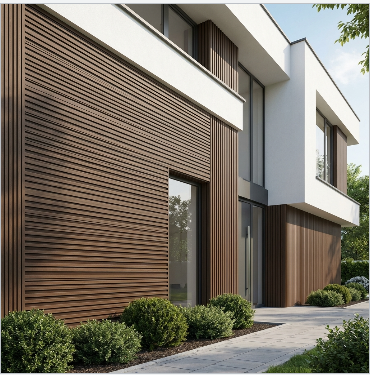
When you take fluted panels outdoors, their job description changes. Now, they’re not just decorative—they’re a form of cladding that protects your home or building. Exterior panels must be tough enough to handle everything nature throws at them. Materials for Exterior Fluted Slat Wall Panels are specifically chosen for their durability and resistance to UV rays, moisture, and pests. They provide a sleek, contemporary finish to a building's facade, entryway, or outdoor living area while also serving as a protective layer for the structure underneath. Always confirm that the panel you choose is explicitly rated for exterior use.
Key Features of a Weather-Resistant Panel
So, what makes an exterior panel truly weather-resistant? It comes down to the material and the finish. Look for panels made from composite materials or specially treated wood that won’t warp, crack, or rot when exposed to moisture. Many high-quality exterior panels feature protective coatings or films that make them resistant to fading from the sun and prevent water from seeping in. Proper installation is also critical; ensuring there’s adequate ventilation behind the panels prevents moisture buildup that could lead to mold or structural damage. When comparing exterior cladding, pay close attention to these features to guarantee a long-lasting, low-maintenance finish.
How to Clean and Maintain Your Fluted Panels
Fluted panels are a stunning addition to any space, and the good news is they’re surprisingly easy to care for. With a simple routine, you can keep your walls looking brand new for years. Whether you’ve chosen natural wood, WPC, or another material, these tips will help you protect your investment and maintain that beautiful, textured look. Proper care ensures your panels remain a standout feature, adding depth and character to your room without demanding a lot of your time. It’s all about using the right techniques and being consistent.
Simple Tips for Everyday Cleaning
Keeping your fluted panels free of dust and grime is straightforward. For regular upkeep, gently wipe the surface with a dry microfiber cloth or a soft-bristled brush to get into the grooves and prevent dust buildup. If you notice any smudges, mix a small amount of mild detergent with warm water, dampen a soft sponge, and gently wipe the area. Always dry the panel completely with a clean cloth afterward. Remember to avoid harsh chemicals or abrasive scrubbers, as they can damage the finish of your beautiful wall panels.
Your Guide to Long-Term Maintenance
A little proactive care goes a long way in preserving the life and look of your fluted panels. Environment matters, so try to maintain consistent humidity levels in the room. Proper ventilation is key, especially in spaces like bathrooms, as it helps prevent moisture issues. For panels with a specific finish, like our Paint and Stain Grade Panels, you can periodically apply a fresh coat of paint or stain. This not only refreshes the color but also adds another layer of protection, keeping them vibrant and durable.
How to Protect Your Panels from Damage
Protecting your panels from the elements is crucial. When installing panels in moisture-prone areas like kitchens or bathrooms, choose a material designed for the job. Our Interior WPC Fluted Slat Wall Panels are an excellent choice because they are inherently water-resistant. Beyond moisture, be mindful of physical damage from things like furniture. Avoid scuffs or dents by keeping a small gap. And when it’s time to clean, always stick to non-abrasive products to ensure you don’t scratch or wear down the protective surface finish.
Where Can You Buy Fluted Wall Panels?
Once you know what material and style you’re looking for, it’s time to find a supplier. Fluted panels are a popular design element, so you have plenty of options, from big-box stores to specialized online retailers. The right choice often comes down to selection, convenience, and project-specific needs. A supplier with a deep inventory can be a huge advantage, ensuring you find the perfect match for your aesthetic without having to compromise.
For professionals, finding a supplier that offers trade-specific benefits is key. Look for companies that provide bulk discounts and have a dedicated support team for contractors and designers. This can streamline your purchasing process and save money on large-scale projects. A reliable partner who understands the demands of the industry makes all the difference in keeping your project on schedule and on budget.
Online vs. Local Stores: Which Is Better?
Shopping online gives you access to a much broader selection than most local showrooms can offer. Retailers like USA Builders Depot carry an extensive collection of wall panels, including interior WPC, natural veneer, and exterior-grade options, all in one place. This makes it easy to compare materials and finishes from the comfort of your home or office. The main advantage of a local store is the ability to see and touch the product in person. However, many online suppliers solve this by offering samples, giving you the best of both worlds: vast selection and tangible quality checks.
What to Expect When It Comes to Shipping
When you buy online, understanding the shipping process is crucial for keeping your project on track. Always check the product page for estimated lead times. In-stock items often ship quickly, sometimes arriving within a week, while custom orders or out-of-stock panels might take several weeks to produce and deliver. A good supplier will be transparent about these timelines. Before placing a large order, confirm the shipping costs and delivery method. Panels can be large and heavy, so they typically ship via freight, which requires you to be present to receive the delivery.
Why Samples and Return Policies Matter
Never skip ordering a sample, especially when buying online. A small sample allows you to see the panel’s true color, texture, and finish in your space’s lighting. It’s a small investment that prevents costly mistakes. Before you commit, also take a moment to read the return policy. Understand the timeframe for returns, whether there are restocking fees, and what the process is if a product arrives damaged. A clear and fair return policy is a sign of a reputable company that stands behind its products and prioritizes customer satisfaction.
Related Articles
- Fluted Wall Paneling 101: A Complete Guide
- Fluted Tambour Panels: The Ultimate Buyer's Guide
- Fluted Tambour Panels: The Ultimate Design Guide