

Lightweight Wood Panel: Your Complete Guide

Home renovation projects can feel intimidating. The thought of dust, noise, and days of disruption is enough to make anyone hesitate. But what if you could get a stunning feature wall in a single weekend with minimal mess? That's the promise of a lightweight wood panel. Designed for straightforward installation, these panels go up with basic tools and adhesive, making them perfect for DIY enthusiasts. This guide will show you exactly how to prep your walls and avoid common mistakes for a flawless finish.
Key Takeaways
- Think beyond drywall: Lightweight panels are a modern solution that offers superior durability, sound control, and moisture resistance, all with a much simpler and faster installation process.
- Match the material to the room's needs: Choose waterproof WPC for high-humidity areas like bathrooms, acoustic panels for quiet spaces like offices, and natural wood veneers for a warm, stylish living room feature.
- A professional finish is in the details: For a successful project, always start with a clean and smooth wall, use the manufacturer-recommended adhesive, and leave small expansion gaps to prevent warping.
So, What Are Lightweight Wood Wall Panels?
If you've ever dealt with heavy, messy drywall or just wanted a simpler way to add character to a room, lightweight wood wall panels might be the solution you’ve been looking for. Think of them as a modern, streamlined alternative to traditional wall finishes. These engineered panels are designed to deliver the warmth and texture of real wood without the weight, cost, or complicated installation. They come in a variety of styles, from sleek fluted designs to rustic unfinished planks, making it easy to find a look that fits your vision.
The core idea is simple: create a durable, attractive wall covering that’s easy for one or two people to handle and install. This makes them a fantastic choice for DIY home renovators and professional contractors alike. Whether you’re creating a stunning accent wall or outfitting an entire commercial space, these panels offer a practical and stylish solution. They attach directly to your existing walls, instantly transforming a room with minimal disruption.
How Are They Constructed?
The magic behind these panels lies in their layered construction. Instead of being a solid block of wood, they typically feature a lightweight inner core made from materials like foam or a honeycomb structure. This core is then sandwiched between two durable outer layers. The surface layer is what you see and feel, and it's often a high-quality finish like a real wood veneer, which gives the panel its authentic warmth and texture. These layers are fused together with a powerful adhesive under pressure, creating a single, stable panel that’s much lighter than traditional materials like MDF or plywood. This clever engineering is what makes them strong yet easy enough for one person to install.
What Are They Made Of?
So, what are these panels actually made of? The materials are key to their lightweight and versatile nature. Many high-quality options, like Natural Veneer Wall Panels, use a thin layer of real wood over a lighter core. This gives you the authentic grain and color of oak or walnut without the bulk of solid wood planks. Other popular choices include Wood Plastic Composite (WPC), which blends wood fibers and recycled plastics for incredible durability and moisture resistance. These materials are not only light but also easy to cut and handle, which simplifies the installation process. Many also have acoustic properties, helping to absorb sound and create a quieter, more comfortable space.
Core Materials
The magic behind these panels is their core. Instead of being solid wood or dense particleboard, they're constructed with a special lightweight inner material, often a honeycomb structure or a type of foam. This engineered core is what makes them so manageable. In fact, many of these panels can be up to 85% lighter than traditional materials like plywood or MDF. This massive weight reduction is a game-changer, especially for DIY projects. It means you don't need a whole crew to lift and position them, and you can install them on almost any wall without worrying about structural load. It’s all about making a high-end look accessible and easy to achieve.
Facing Sheets
While the core provides the lightweight structure, the facing sheets are what you see and touch—they deliver the style. These outer layers are bonded to the core and are typically made of durable materials like melamine or, for a more premium look, real wood veneer. For instance, our Natural Veneer Wall Panels use a thin slice of actual wood, giving you the authentic texture and grain patterns of oak or walnut. This clever construction gives you the best of both worlds: the timeless beauty of real wood combined with a lightweight, easy-to-install panel. It’s an efficient way to get a luxurious finish without the cost and complexity of solid wood installations.
Lightweight Panels vs. Drywall: What's the Difference?
When you put lightweight panels up against traditional drywall, the differences are night and day. Drywall installation is a multi-step process involving taping, mudding, and sanding—all of which create a lot of dust and mess. Lightweight panels, on the other hand, can often be installed in a single afternoon with just adhesive or screws. They are also far more durable and resistant to the dents and scuffs of daily life. A huge advantage is their performance in damp environments. Unlike drywall, which can absorb moisture and lead to mold or rot, many modern panels are completely waterproof, making them perfect for bathrooms, basements, and kitchens. This durability means less maintenance and a longer-lasting finish for your walls.
A Guide to the Different Types of Lightweight Panels
Once you start looking into lightweight panels, you'll find a whole world of options. The best choice for you really comes down to your project's goals, your budget, and the look you're trying to achieve. From the raw beauty of unfinished wood to the high-tech durability of composite materials, each type of panel brings something unique to the table. Let's walk through some of the most popular categories so you can find the perfect fit for your space.
For a Natural Look: Unfinished Wood Panels
Think of unfinished wood panels as your creative starting point. These panels give you the authentic grain and texture of real wood but leave the final look entirely up to you. They are perfect for projects where you need to match an existing wood tone or want to apply a specific paint color or stain. Because they are lightweight and easy to cut, installation is straightforward for both professionals and skilled DIYers. This makes them a versatile choice for creating custom accent walls, headboards, or other features where you want complete control over the finish.
The Beauty of Natural Wood Veneer
If you want the genuine look of high-end wood without the weight and expense of solid planks, natural veneer panels are an excellent choice. These panels feature a thin layer of real wood—like oak, walnut, or teak—bonded to a stable, lightweight core. This construction gives you the rich color and unique grain patterns of natural wood in an easy-to-install format. Many natural veneer wall panels also offer acoustic properties, helping to dampen sound and create a quieter, more comfortable environment. They arrive pre-finished, so you can get that sophisticated look without any extra steps.
Modern Texture: WPC Fluted Slat Panels
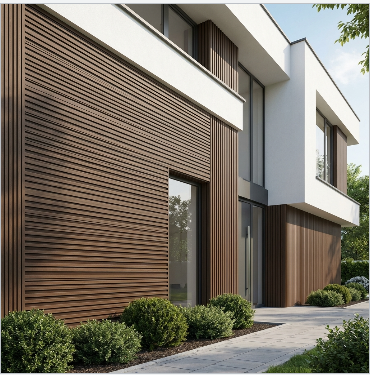
For a modern look with serious durability, WPC (Wood Plastic Composite) panels are a fantastic solution. By blending wood fibers with recycled plastics, these panels offer the best of both worlds: the warmth of wood and the resilience of a synthetic material. They are highly resistant to moisture, mildew, and pests, making them ideal for bathrooms, kitchens, basements, and even some exterior applications. The popular fluted or slatted design of Interior WPC Fluted Slat Wall Panels adds instant texture and architectural interest, creating a contemporary vibe in any room.
Perfect for Curves: Flexible Wood Panels
Not all walls are flat, and that’s where flexible wood panels shine. Designed to bend and conform to curves, these panels open up a ton of design possibilities. You can use them to wrap columns, create arched entryways, or add detail to curved reception desks and bars. Made from thin layers of real wood veneer, they are incredibly lightweight and easy to handle, simplifying what would otherwise be a complex installation. Flexible panels prove that you don’t have to sacrifice the authentic beauty of wood to accommodate unique architectural features in your space.
Budget-Friendly Style: MDF and Faux Wood
When budget and versatility are top priorities, MDF (Medium-Density Fiberboard) and other faux wood panels are a go-to choice. MDF is an engineered wood product that provides a perfectly smooth surface for painting, making it ideal for creating decorative styles like shiplap, beadboard, or geometric patterns. It’s a cost-effective way to get a high-end, custom look. Faux wood options mimic the appearance of real wood but are often more durable and require less maintenance. These panels are easy to work with and provide a consistent, reliable finish for projects of any size.
Understanding Core Types and Customization
High-Density vs. Tackable Cores
When you're choosing a panel, what’s on the inside matters just as much as what’s on the outside. The panel's core is what gives it its strength, weight, and special features. High-density cores, often found in WPC and MDF panels, are built for durability. They resist dents and dings, making them perfect for high-traffic areas like hallways or commercial spaces. On the other hand, some panels, particularly Acoustic Wall Panels, feature a softer, more porous core made from materials like felt. This type of core is excellent at absorbing sound, creating a quieter environment for a home office or media room, and is sometimes "tackable," meaning you can pin notes or photos to it.
Custom Finishes and Edges
Customization is where you can really let your design vision shine. Many lightweight panels come in a variety of finishes to suit your style. For a quick and sophisticated upgrade, pre-finished options like Natural Veneer panels offer the authentic look of real wood without any extra work. If you have a specific color in mind, paint-grade or stain-grade panels provide a perfect blank canvas. Beyond the surface, don't forget to consider the edges. A clean, finished edge is crucial for a professional look, especially on installations where the sides of the panels are visible. This attention to detail ensures your new feature wall looks polished from every angle.
Why Should You Choose Lightweight Wood Panels?
Lightweight panels are more than just a pretty face for your walls. They offer a host of practical benefits that can save you time, money, and headaches down the road. Whether you're a homeowner tackling a weekend renovation or a contractor managing a large-scale project, understanding these advantages makes it clear why so many people are moving away from traditional wall coverings. From simplified installation to superior durability, these panels are designed for modern living. Let's look at what makes them such a smart choice for your next project.
Reduce Structural Load by up to 85%
One of the most significant advantages of using lightweight wood panels is their ability to dramatically reduce structural load. Compared to traditional materials like plywood, particleboard, and MDF, these panels can be up to 85% lighter. This isn't just a small detail—it means significantly less stress on your home's framework, which is especially important in older structures or multi-story projects. You get the authentic warmth and texture of real wood without the cumbersome weight, making them an ideal choice for both DIY enthusiasts and professional contractors. This lighter weight also makes the panels much easier to handle and transport, which can lead to real savings on shipping and labor costs. It’s this combination of strength, versatility, and ease of use that makes modern wall panels such a smart solution for any renovation.
Enjoy a Quick and Easy Installation
Because these panels are so thin and light, they are incredibly easy to handle, cut, and put up. This straightforward installation process is a game-changer. For DIY enthusiasts, it means you can achieve a professional-looking finish without needing specialized tools or a huge crew. For contractors, the speed of installation translates directly into lower labor costs and tighter project timelines. You can transform a room in a fraction of the time it would take to hang, mud, and paint drywall. The ease of use makes modern wall panels an efficient and stylish solution for any project.
Create a Quieter Space with Better Acoustics
Tired of hearing every footstep from the floor above or conversations from the next room? Lightweight panels can help with that. Many are designed with acoustics in mind, helping to absorb sound and reduce echo. When you install them with wood strips, known as battens, you can achieve Class A sound absorption, creating a much quieter and more serene environment. This makes them perfect for home offices where you need to focus, bedrooms for a peaceful night's sleep, or media rooms for an immersive movie experience. Acoustic wall panels are specifically engineered to dampen noise, giving you control over your home's soundscape.
Say Goodbye to Moisture and Mold
Traditional materials like drywall don't stand a chance against moisture. A small leak can lead to water damage, rot, and unhealthy mold growth. Many lightweight panels, especially those made from composite materials, are 100% waterproof. They won't absorb moisture, which means they won't warp, rot, or become a breeding ground for mold and mildew. This makes them an ideal choice for high-humidity areas like bathrooms, kitchens, basements, and laundry rooms. Using a material like WPC fluted slat panels gives you peace of mind, knowing your walls are protected from the long-term effects of moisture.
A Durable and Long-Lasting Choice
When you invest in your home or project, you want materials that will last. Lightweight panels are built for durability. They are tough, resist impacts, and stand up to daily wear and tear far better than painted drywall, which can easily get scuffed and dented. Some high-quality panels are expected to last for a century—a significant upgrade from the 30-40 year lifespan of drywall. This longevity means you won't have to worry about costly repairs or replacements for decades. For trade professionals, offering such a durable product builds a reputation for quality work. It's a smart investment that pays off in both performance and property value.
Factors That Influence Durability
The long-lasting nature of these panels isn't just a happy accident; it's the result of smart engineering and quality materials. The core composition plays a huge role. For instance, many Natural Veneer Wall Panels use a thin layer of real wood over a stable substrate, giving you authentic beauty that’s also incredibly resilient. Materials like WPC are inherently waterproof, so they won't warp or rot in humid environments. This built-in resistance to moisture and impact means they easily outperform drywall, which is prone to dents, scuffs, and water damage. It’s this thoughtful construction that ensures your walls look great for years to come.
Beyond the material itself, proper installation is key to ensuring your panels last a lifetime. A durable finish depends on starting with a clean, smooth wall and using the manufacturer-recommended adhesive to create a strong, permanent bond. Taking the time to leave small expansion gaps is also crucial, as this allows the material to shift naturally with temperature changes without buckling or warping. When you combine high-quality materials with careful installation, you get a wall finish that isn’t just stylish but is built to endure, with some panels even boasting a lifespan of over a century.
How to Choose a High-Quality Lightweight Panel
When you're shopping for wall panels, it’s easy to focus only on the color and style. But what truly separates a great panel from a mediocre one is what’s going on beneath the surface. A high-quality panel is built to last, safe for your home, and made with care. Knowing a few key things to look for will help you choose panels that you’ll love for years to come, ensuring your investment is both beautiful and durable.
Start with the Core Materials and Construction
The core is the heart of the panel, determining its strength and longevity. Don’t be afraid to ask what’s inside. Top-tier lightweight panels often use innovative materials, like recycled content in a honeycomb pattern, for impressive strength without the weight of solid wood. This prevents warping and ensures the panel holds up to daily life. A well-built panel will feel solid with clean, precisely cut edges. When browsing different wall panels, check the product specifications to understand the build quality and performance you can expect.
Look for a Strong Warranty
A warranty is more than just a safety net; it's a clear signal of a manufacturer's confidence in their product. When a company offers a strong warranty, they are essentially telling you that they stand behind the quality and durability of their materials. For a long-term investment like wall panels, this is incredibly important. You want to know that the product is built to withstand daily life and won't fail prematurely due to manufacturing defects. A solid warranty provides peace of mind, ensuring that if something unexpected does go wrong, you have a clear path for resolution. It protects your investment and reinforces that you've chosen a product designed to last, which is something you can often verify by checking customer reviews.
Don't Overlook Safety and Fire Ratings
Your peace of mind is priceless, so always check for safety certifications. Quality panels are made to meet strict health standards. For instance, modern MDF (medium-density fiberboard) is produced under regulations that limit formaldehyde emissions, making it safe for any room. You should also look for a fire rating, especially for commercial spaces or buildings with stringent codes. A fire rating indicates how long the material can resist a fire—a critical safety feature. Reputable suppliers will have this information available, so you can be confident you’re installing a product that helps keep your space safe from fire hazards.
Always Check for Official Certifications
When you’re selecting lightweight wood panels for your project, it’s crucial to look beyond the style and prioritize safety. Always check for official certifications to ensure the panels meet strict health and safety standards. For example, quality MDF (medium-density fiberboard) is produced under regulations that limit formaldehyde emissions, making it a safe choice for indoor air quality. A fire rating is another key detail to look for, especially for commercial spaces or buildings with stringent safety codes. This rating tells you how long the material can resist flames, which offers incredible peace of mind. Any reputable supplier will have this information readily available, helping you choose a product that’s not only beautiful but also safe.
Find a Finish That Matches Your Style
A premium finish gives a panel its wow factor. The best lightweight wood panels have finishes that replicate the texture of natural wood, like oak or walnut, while offering superior durability. A quality finish should resist scratches, scuffs, and fading from sunlight. It’s the difference between a panel that looks great on day one and one that looks great for years. If possible, get a sample to see the color and feel the texture up close. This helps you appreciate the craftsmanship and choose a style from a collection of natural veneer wall panels that fits your vision.
Is Your Panel an Eco-Friendly Choice?
Making a choice that’s good for your home can also be good for the planet. As the demand for eco-friendly building materials rises, many manufacturers are offering sustainable options. High-quality panels are often made with recycled materials or wood from responsibly managed forests. Choosing these products means you’re supporting greener building practices without sacrificing style or performance. Look for certifications from organizations like the Forest Stewardship Council (FSC) to verify the wood’s source. It’s a simple way to ensure your project has a positive impact on the environment.
Panels Made from Recycled Materials
Choosing building materials that are both stylish and sustainable is becoming a top priority for many homeowners and contractors. Panels made from recycled materials are a fantastic way to meet this goal, turning waste into a beautiful and functional part of your home. These products often use a high percentage of post-consumer or post-industrial content, which significantly reduces the demand for new raw materials and keeps waste out of landfills. For example, many high-quality lightweight panels utilize a combination of wood fibers and recycled plastics to create Wood Plastic Composite (WPC). This blend not only enhances durability and moisture resistance but also contributes to a more sustainable building approach, as recognized by leading green building organizations.
By opting for panels like our Interior WPC Fluted Slat Wall Panels, you get a modern, textured look that is also an environmentally responsible choice. These innovative materials prove that you don’t have to compromise on aesthetics or performance to build green. When you select products made from recycled content, you’re not just renovating a space—you’re investing in a healthier planet. It’s a powerful way to ensure your design choices reflect your commitment to sustainability, creating a home that is both beautiful and beneficial for the environment.
Where Can You Buy the Best Lightweight Panels?
Once you know what you’re looking for, the next step is finding a reliable supplier. The market for lightweight panels has grown significantly, giving you plenty of great options to choose from. Whether you need something for a residential accent wall or a large-scale commercial project, here are a few top-tier suppliers known for their quality and innovation.
For Premium Quality: USA Builders Depot
If you’re looking for a one-stop shop, USA Builders Depot is a fantastic place to start. They offer a premium collection of lightweight wall panels designed to meet the demands of modern construction and design. Their selection includes everything from unfinished wood for custom projects to sophisticated WPC fluted slats. Because they cater to both trade professionals and homeowners, you can trust that their products are built for both aesthetic appeal and long-term performance, making them a go-to for any project.
For Curved Walls: Ultraflex Solutions
For spaces with curved walls or unique architectural features, flexible panels are a game-changer. Ultraflex specializes in lightweight flexible wood wall panels that make installation incredibly simple. These panels often feature real wood veneers, so you don’t have to sacrifice the authentic warmth of wood for convenience. Their Slatpanel® design is particularly popular for adding texture and style to a room without the weight and rigidity of traditional materials, allowing for more creative freedom in your design.
For a Decorative Touch: WoodyWalls
When the main goal is adding visual flair, WoodyWalls is a name that often comes up. They offer a wide range of decorative wood wall panels that instantly create a warm and inviting atmosphere. Beyond just looking good, many of their panels are also designed to help reduce ambient noise, making them a practical choice for living rooms, bedrooms, or even commercial spaces like restaurants and offices. Their focus is on creating products that are as functional as they are beautiful.
For Wet Areas: Duramax Panels
In bathrooms, basements, or any area prone to humidity, moisture resistance is non-negotiable. Duramax offers moisture-resistant panels that are 100% waterproof, making them an excellent alternative to traditional drywall. Because these panels don’t absorb moisture, they won’t rot or encourage mold growth, which is a huge plus for long-term durability and air quality. This makes them an ideal solution for creating a resilient and low-maintenance wall surface in challenging environments.
Your Step-by-Step Guide to Installing Wall Panels
One of the best things about lightweight wood panels is how straightforward they are to install. With the right preparation and a bit of patience, you can completely transform a room in a weekend. Whether you’re a seasoned contractor or a first-time DIYer, following these steps will help you get a professional-looking finish that lasts. The key is to take your time with the prep work and have a clear plan before you begin. Let’s walk through the three main installation methods.
Step 1: Gather Your Tools and Materials
Before you attach the first panel, let's get everything organized. The best part about this project is that you don’t need a complicated or expensive toolset. You’ll want to have your chosen wall panels laid out and ready to go. For installation, you'll need a high-quality construction adhesive and a caulk gun to apply it. Always check the panel manufacturer’s guidelines to make sure you’re using a recommended adhesive for a secure, long-lasting bond. You’ll also need the basics: a reliable tape measure, a level to keep your lines straight, and a pencil for marking your cuts. Having everything within arm's reach will make the entire process feel smooth and efficient.
Essential Cutting Tools
When it comes to cutting the panels to size, you can put away the heavy-duty equipment. For most lightweight wood and WPC panels, a simple fine-toothed hand saw provides excellent control and a clean edge. If you prefer using power tools, a circular saw or a jigsaw fitted with a fine-toothed blade will also work perfectly. Here’s a tip for a flawless finish: measure and mark your cut line on the back of the panel. Cutting from the back helps prevent any splintering on the decorative front surface, ensuring your edges look crisp and professional. For some very thin or flexible panels, you might even be able to score and snap them with a sharp utility knife.
Step 1: How to Prep Your Walls
Before you even think about opening a tube of adhesive, take a good look at your walls. A clean, smooth, and dry surface is non-negotiable for a successful installation. Ignoring wall prep can lead to panels that don't stick properly or sit unevenly. Start by wiping down the wall to remove any dust, grease, or grime. Next, fill any cracks or holes with spackle and sand them smooth once dry. If you’re working with a freshly painted wall, make sure it has had plenty of time to cure completely. This simple prep work ensures your wall panels have the perfect foundation to adhere to for years to come.
Installing Over Different Surfaces
What if your wall isn't perfect, smooth drywall? No problem. One of the biggest advantages of lightweight panels is their versatility. You can install them over a variety of surfaces, including brick, concrete, and plasterboard. For smooth surfaces like plaster, a strong construction adhesive is usually all you need. For more uneven surfaces like a brick fireplace surround, you might build a simple wooden frame (furring strips) to attach the panels to, ensuring a perfectly level finish. This adaptability makes it easy to update a space without the hassle of major demolition. Plus, panels made from waterproof materials are an excellent choice for concrete basement walls, as they create a barrier against moisture and prevent mold growth, a common issue in below-grade spaces.
Step 2: Installing with Adhesive
For most lightweight panels, a high-quality construction adhesive is your best friend. However, not all adhesives are created equal. It’s crucial to select one that’s compatible with both your panel material and the wall surface. Always check the panel manufacturer’s recommendations first. For rooms with high moisture, like bathrooms or kitchens, you’ll want an adhesive specifically designed to handle those conditions. When you’re ready to apply it, run a bead in an "S" shape or around the perimeter and across the center of the panel’s back. This ensures even coverage. Then, press the panel firmly against the wall and hold it for a moment to create a strong bond.
Step 3: Installing with Screws and Brackets
While adhesive is often enough, using screws provides an extra layer of security, especially for larger panels or on walls that aren’t perfectly flat. You can use screws on their own or in combination with adhesive for a belt-and-suspenders approach. Before you start, create a clear layout plan to avoid awkward cuts and misaligned panels. Use a stud finder to locate and mark the studs in your wall, as this is the most secure place to drive your screws. For a clean finish, you can either use small finish screws that are barely noticeable or strategically place them in the grooves or seams of the panels where they will be hidden from view.
Step 5: Alternative Fastening Methods
Sometimes, you need a little extra holding power. While adhesive works great for most applications, combining it with screws offers a "belt-and-suspenders" approach that guarantees your panels aren't going anywhere. This method is particularly useful for very large or heavy panels, ceilings, or walls that have slight imperfections. Start by applying adhesive as you normally would, then secure the panel with small finishing screws driven into the wall studs. For a seamless look, you can place the screws in the grooves between slats on fluted panels, making them virtually invisible. This dual-fastening technique provides maximum stability and peace of mind, ensuring a secure installation that will stand the test of time.
Step 6: Finishing Touches
Once your panels are up, the final touches are what will truly make your project look polished and professional. If you've chosen Unfinished Wood Wall Panels, now is the time to apply a finish. A good quality oil, varnish, or stain not only enhances the natural beauty of the wood grain but also protects it from moisture, dust, and fading over time. This step is crucial for longevity and ensures your new feature wall is easy to clean. Of course, if you opted for pre-finished panels like WPC or natural veneers, you can skip this step and move right to enjoying your newly transformed space. Always follow the manufacturer's recommendations for the best results.
Sanding Edges for a Smooth Finish
When you have to cut panels to fit around outlets, windows, or corners, the cut edges can sometimes be a little rough. Taking a moment to sand them smooth with fine-grit sandpaper makes a world of difference. This simple action prevents splintering and ensures a clean, seamless transition where two panels meet. A smooth edge not only looks more professional but also feels better to the touch. It’s a small detail that elevates the overall quality of your installation, proving that a little extra care in the finishing stages pays off in the final result.
Common Installation Mistakes (and How to Avoid Them)
Lightweight wood panels are designed for a straightforward installation, but a few common slip-ups can turn a dream project into a headache. Taking the time to get the details right ensures a professional finish that lasts. Whether you’re a seasoned contractor or a weekend warrior, avoiding these simple mistakes will make all the difference.
Mistake #1: Skipping Wall Prep
One of the biggest mistakes you can make is ignoring wall preparation. Starting with a wall that's dirty, uneven, or damp will cause major problems down the line, preventing the panels from adhering properly. Before you begin, make sure your wall surface is clean, completely dry, and smooth. Wipe it down to remove dust and grime, patch any holes or cracks with spackle, and sand down any bumps. If you suspect moisture, it’s crucial to address the underlying issue before a single panel goes up. A little prep work goes a long way.
Mistake #2: Using the Wrong Measurements or Adhesive
This one’s a classic: incorrect measurements and the wrong adhesive can quickly derail your project. Always remember to measure twice and cut once. Map out your wall and mark locations for outlets, light switches, and windows before you make your first cut. When it comes to securing the panels, don’t just grab any construction adhesive. Different wall panels have different requirements, and using the wrong glue can lead to a weak bond or even damage the material. Always check the manufacturer’s instructions and use the recommended adhesive for a secure, lasting fit.
Mistake #3: Forgetting to Leave an Expansion Gap
Wood and composite materials naturally expand and contract with changes in temperature and humidity. Forgetting to leave small expansion gaps around the perimeter of your wall can cause the panels to buckle, warp, or even pop off over time. This is especially important in rooms with fluctuating conditions, like bathrooms or basements. A gap of about 1/4 inch is typically enough to allow for this natural movement. Don’t worry about the look—these gaps are easily concealed with baseboards, crown molding, or trim for a seamless, professional finish.
Mistake #4: Not Aligning the Panels Correctly
Installing wall paneling without a clear layout plan can result in an uneven, sloppy finish. The very first panel you install sets the guide for the entire wall, so if it’s even slightly off-kilter, the error will become more obvious with every panel you add. To avoid this, use a level and a chalk line to create a perfectly straight guideline for your first row. It’s also a great idea to do a “dry fit” by laying out a few panels on the floor or against the wall without adhesive to check your alignment and spacing before you commit.
How to Choose the Right Panels for Your Room
Picking the right wall panel is about more than just looks—it’s about finding the perfect match for your lifestyle, your space, and your budget. With so many options available, it can feel a little overwhelming, but breaking it down makes it simple. Think of it as a three-step process: consider the room's function, define your personal style, and find a balance between cost and quality. When you get these three things right, you’ll land on a panel that not only looks incredible but also performs exactly how you need it to. Let's walk through how to make the best choice for your project.
First, Consider the Room's Purpose
The first step is to think about how you use the space. A living room or bedroom benefits from panels that add warmth and character, like unfinished wood that you can customize. If you’re designing a home office, media room, or a busy commercial space, noise can be a major distraction. In that case, choosing Acoustic Wall Panels is a smart move to help absorb sound and create a more focused environment. For areas prone to moisture, like bathrooms, basements, or even exterior spaces, you’ll want to look at materials like WPC or fiber cement that are built to resist humidity and prevent issues down the road.
Next, Find a Style That Fits Your Vibe
Your walls are a canvas, and panels are a fantastic way to express your style. Are you aiming for a modern, minimalist look? The clean lines of fluted slat panels can add texture and depth without overwhelming the room. If you prefer a more rustic or traditional feel, a natural wood veneer brings in organic warmth. Don’t be afraid to think about color, either. While natural wood tones are timeless, painted panels can create a bold, eye-catching feature wall. The key is to find a style that complements your existing furniture and decor, creating a cohesive and inviting atmosphere. Browse different wall panel collections to see what catches your eye.
Finally, Balance Your Budget with Your Needs
You don’t have to compromise on style to stick to a budget. While solid wood panels are a premium choice, materials like WPC and natural veneers offer a very similar look at a more accessible price point. It’s also important to think beyond the initial material cost. Lightweight panels are often much easier and faster to install than traditional wall finishes like drywall or tile, which can lead to significant savings on labor. This makes them a great option for DIY enthusiasts and professional contractors alike. For trade professionals, remember to look into bulk pricing, which can make a high-end finish even more affordable. You can often apply for trade programs to access special discounts.
Understanding Panel Costs
The price of lightweight panels can vary quite a bit, but it’s helpful to know what you’re paying for. The biggest factor is the material itself. Options like MDF are incredibly budget-friendly and give you a smooth canvas that’s perfect for painting. On the other hand, natural veneer wall panels, which feature a thin layer of real wood like oak or walnut, will be a bit more of an investment but still come in at a fraction of the cost of solid wood planks. It’s also important to think about the total cost of the project. Because these panels are so much faster and cleaner to install than drywall, you can save a significant amount on labor, making them a cost-effective choice overall.
Saving with Bulk and Trade Discounts
If you’re tackling a large project or are a trade professional, there are great ways to save. Many suppliers offer discounts when you purchase materials in bulk, which can make a huge difference in your bottom line. For contractors, designers, and builders, the savings can be even better. By signing up for a trade program, you can get access to exclusive pricing that isn’t available to the general public. It’s worth taking a few minutes to apply for a trade account, as the long-term savings can be substantial. This allows you to offer high-end, durable finishes to your clients while keeping your projects on budget.
Creative Design Ideas for Lightweight Wall Panels
Lightweight wall panels are far more versatile than you might think. They’re not just for covering up old drywall; they’re a powerful design tool for adding texture, warmth, and personality to any room. Whether you’re a homeowner planning a weekend DIY project or a contractor designing a commercial space, these panels offer a creative solution for almost any environment. Let’s look at a few ways you can use them to completely transform a space.
Create a Stunning Accent Wall at Home
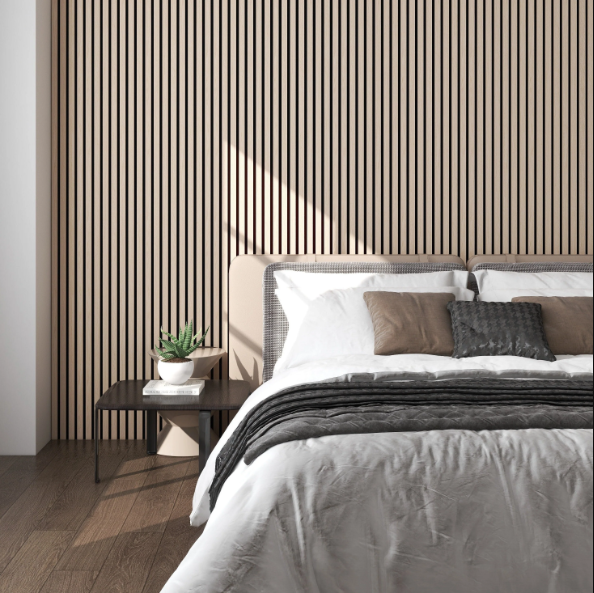
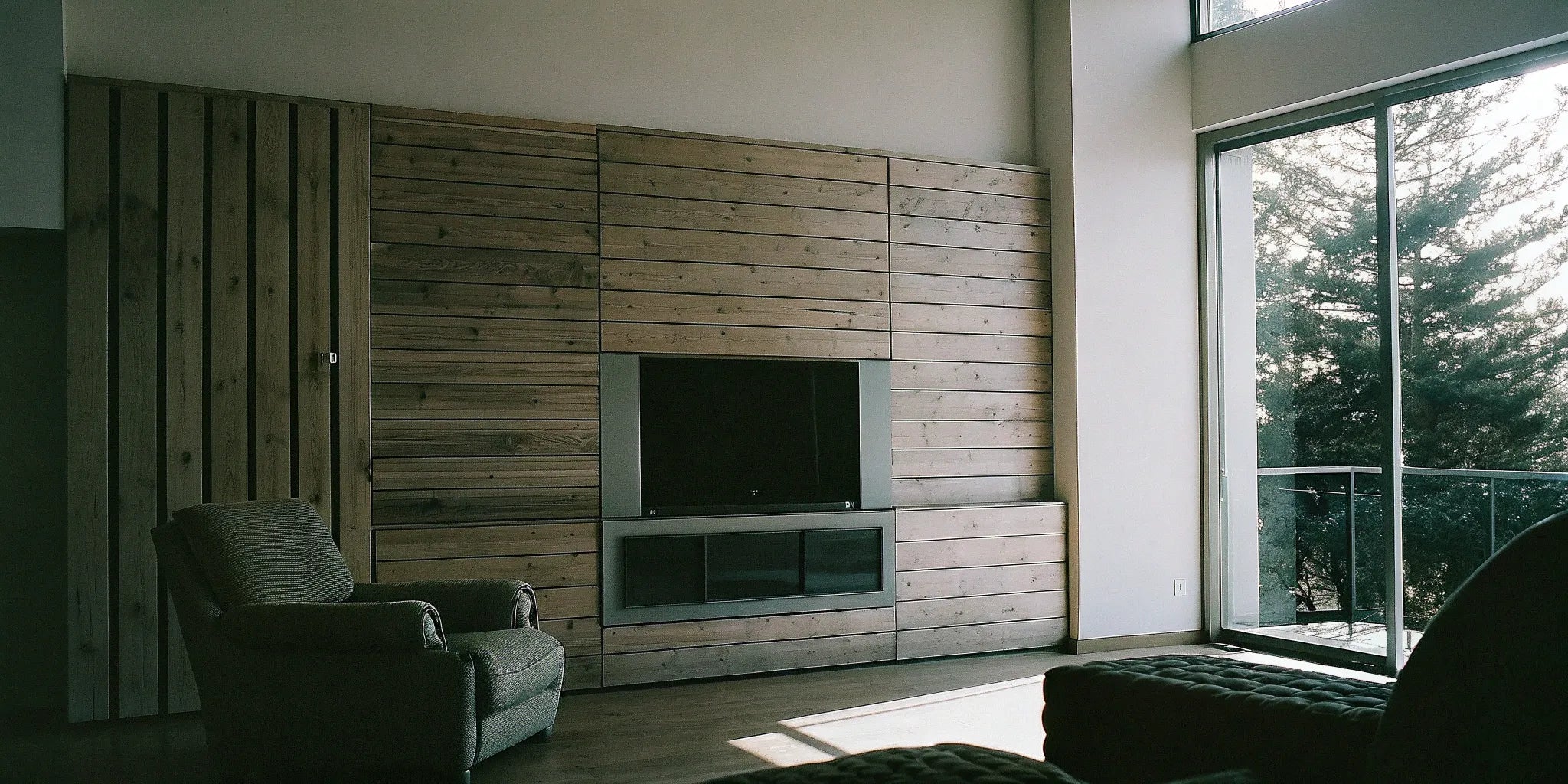
One of the easiest ways to make a big impact in your home is by creating a feature wall. Lightweight panels are perfect for this because they’re so simple to handle and install. You can add a warm, rustic touch behind your bed with Unfinished Wood Wall Panels, giving you the freedom to stain or paint them to match your decor perfectly. They also work beautifully in living rooms to frame a fireplace or entertainment center, adding depth and a high-end feel. Because they are easy to cut and manage, you can tackle this kind of project in a single weekend and completely change the character of your room.
Upgrade Commercial Spaces and Bathrooms
In places that see a lot of traffic or moisture, you need materials that are both stylish and tough. This is where lightweight panels truly shine. For commercial settings like cafes, offices, or retail stores, panels can create a welcoming atmosphere that stands up to daily wear and tear. In bathrooms, laundry rooms, or basements, moisture resistance is key. Many modern panels, like Interior WPC Fluted Slat Wall Panels, are 100% waterproof. This means you don’t have to worry about them warping, rotting, or growing mold, which is a common problem with traditional drywall in damp environments. You get a sophisticated look without sacrificing durability.
Thinking Beyond Walls: Other Applications
While these panels are fantastic for walls, their lightweight and versatile nature means you can use them in so many other creative ways. Think of them as a flexible design element that can add texture and style to almost any surface. From custom furniture pieces to unique architectural details, the possibilities are really only limited by your imagination. Because they are so easy to cut and handle, you can tackle projects that would be incredibly difficult or expensive with solid wood. Let's explore a few ideas to get you thinking outside the box.
Custom Furniture and Displays
Have you ever wanted a custom piece of furniture but didn't want to start completely from scratch? Lightweight panels are perfect for this. You can use them to create a stunning headboard that matches your accent wall, build unique shelving units, or design custom display cases for a retail space. Because they are so easy to work with, you have the creative freedom to bring your ideas to life. Imagine wrapping a simple bookshelf with natural veneer panels for a high-end, built-in look. It’s a simple way to craft one-of-a-kind pieces that perfectly complement your interior style.
Covering Doors and Screens
Don't let a plain, boring door bring down the style of your room. You can easily apply lightweight wood panels directly onto flat interior doors or screens to create a cohesive, designer look. This is a fantastic trick for tying a room together, especially if you’ve already used the same panel style on a feature wall. It transforms a standard door from a simple utility into a deliberate architectural element. This works especially well for closet doors, room dividers, or even creating a hidden "jib" door that blends seamlessly into a paneled wall, adding a touch of custom sophistication to your space.
Draw Inspiration from Current Design Trends
If you love keeping your space fresh and modern, lightweight panels are a great way to incorporate current design trends. Wood paneling is making a huge comeback, especially in entryways and mudrooms, to create a lasting first impression. You can use vertical slats to make a ceiling feel higher or horizontal panels to make a room feel wider. Another popular trend is creating open, airy spaces. Using a single style of panel across a large, continuous wall can create a seamless look that enhances that feeling of openness. Exploring a full collection of wall panels can give you plenty of ideas for bringing these modern looks into your own project.
How to Care for Your New Wall Panels
One of the best parts about choosing lightweight wood panels is that they don’t demand a lot of your time once they’re up. Unlike painted drywall that scuffs easily, these panels are built for durability. With just a little bit of routine care, you can keep them looking as stunning as the day they were installed. Here’s how to protect your investment and ensure your walls look great for decades to come.
Your Go-To Cleaning Routine
For day-to-day upkeep, a quick dusting is all you need. Use a soft microfiber cloth or the brush attachment on your vacuum to gently remove dust from the surface and any grooves in fluted designs. If you notice fingerprints or minor smudges, a slightly damp cloth will usually do the trick. For anything more stubborn, use a pH-neutral cleaner specifically designed for wood surfaces, testing it on an inconspicuous spot first. Just be sure to avoid harsh, all-purpose cleaners, ammonia-based products, or abrasive sponges. These can strip the protective finish and damage the wood veneer over time. The goal is to be gentle—less is definitely more here.
How to Keep Your Panels Looking New
To ensure your panels have a long and beautiful life, a little preventative care goes a long way. If you chose Unfinished Wood Wall Panels, applying a quality finish like an oil or varnish is a crucial first step. This not only enhances the wood’s natural beauty but also provides a protective barrier. For panels in moisture-prone areas like bathrooms or kitchens, we recommend applying a water-resistant sealer to prevent warping or damage. It’s also smart to be mindful of direct sunlight, which can cause fading over time—consider using curtains or blinds during peak hours. With these simple steps, your panels can easily outlast traditional drywall, becoming a timeless feature in your home.


